What Are The Disadvantages Of Using Airpods In 2023
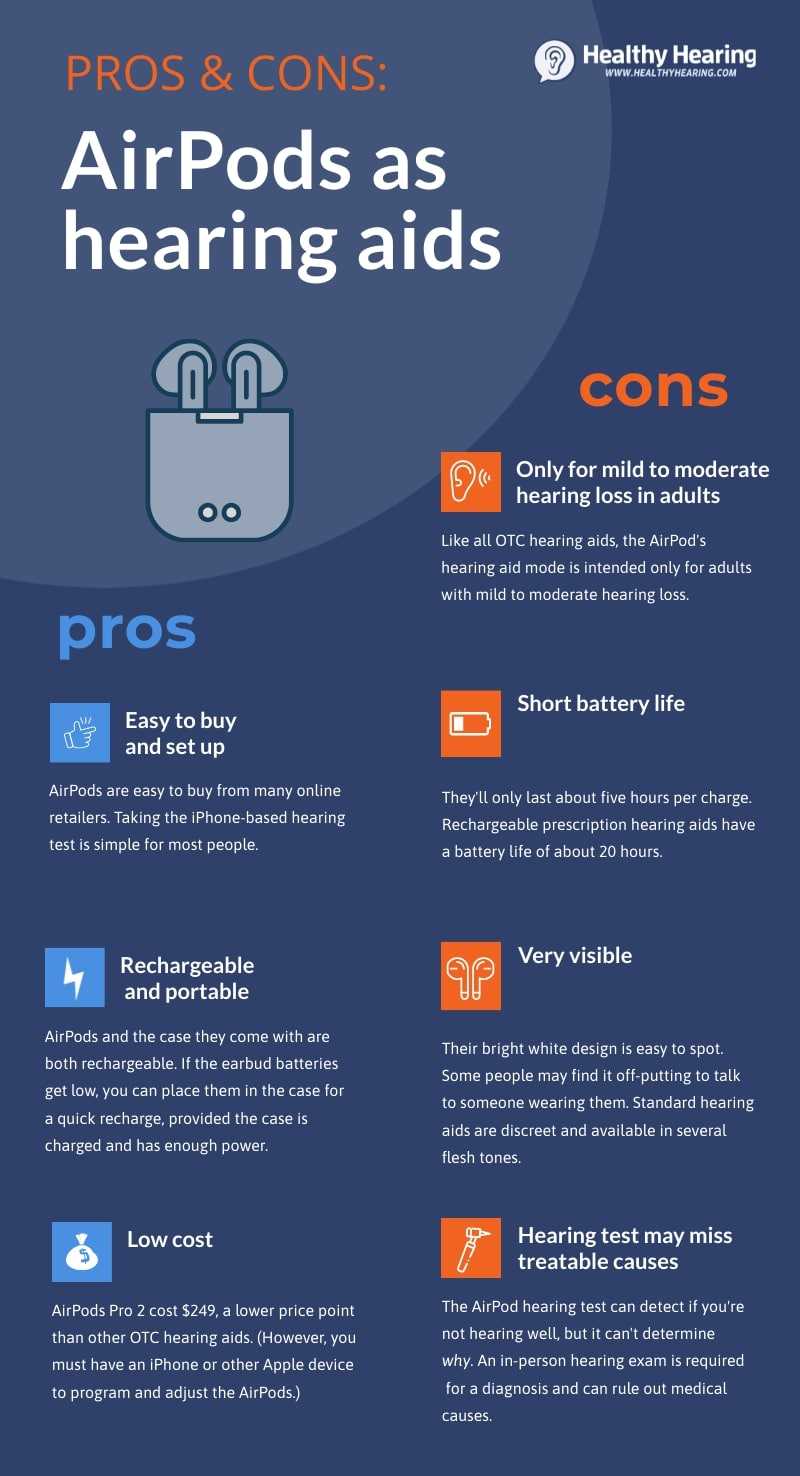
Using AirPods might seem like the ultimate convenience for wireless listening, but they come with their set of drawbacks that can affect your experience. The main disadvantages include high costs, limited sound quality compared to wired or premium headphones, and potential health concerns from prolonged use. Additionally, AirPods can be easy to lose and might not fit comfortably for everyone, leading to discomfort or poor sound isolation. If you’re considering investing in these sleek gadgets, it’s important to weigh these downsides against their benefits to make an informed decision. In summary, while AirPods offer wireless freedom and stylish design, they can be expensive, sometimes less comfortable, and pose certain health and convenience issues. Understanding these disadvantages helps you decide whether they suit your needs or if alternative options might be better. 
What Are the Disadvantages of Using AirPods
1. Limited Battery Life and Charging Issues
AirPods are convenient, but their battery life can be a downside. Most models offer around 4 to 6 hours of listening time on a single charge. Once the battery runs out, you need to put them back in their case for recharging, which can be inconvenient during long trips or busy days. Additionally, the charging case itself may run out of battery, requiring careful management.2. Costly Repairs and Replacements
Replacing a lost or damaged AirPod can be expensive. Apple charges high prices for individual units, and unlike wired earbuds, they are not easily repairable at home. This cost can add up over time if you frequently misplace or damage your AirPods.3. Comfort and Fit Issues
Not everyone finds AirPods comfortable for extended use. Their design may cause discomfort, especially for those with smaller ears or sensitive skin. Poor fit can lead to falling out during physical activities or cause discomfort after prolonged wear. This can limit their suitability for fitness routines or long listening sessions.4. Sound Quality Limitations
While AirPods offer decent sound quality, they may not satisfy audiophiles who seek rich, detailed audio. The small drivers and wireless design impact bass depth and overall sound clarity. Wired headphones or higher-end models can deliver better audio performance for critical listening.5. Connectivity and Compatibility Concerns
AirPods connect via Bluetooth, which can sometimes lead to connectivity issues. They may disconnect unexpectedly or face interference from other Bluetooth devices. Compatibility might also be limited with non-Apple devices, leading to a subpar experience for Android or Windows users.6. Privacy and Security Risks
Using AirPods involves transmitting data wirelessly, which can pose privacy concerns. There’s a risk of unauthorized access or hacking if Bluetooth connections are not secured. Additionally, some users worry about being overheard or eavesdropped upon during calls or conversations.7. Health and Hearing Risks
Prolonged use of AirPods at high volumes can harm hearing. The small earbuds sit close to the eardrum, and listening to loud music for hours can cause long-term hearing loss. It is important to use them at moderate volumes and take breaks during extended listening sessions.8. Environmental Impact
AirPods are made with plastic and electronic components that are not biodegradable. Their production and disposal contribute to environmental pollution. As they become obsolete or damaged, they often end up in landfills, adding to environmental concerns.9. Lack of Customization and Controls
Compared to wired headphones, AirPods offer limited physical controls. Users cannot easily adjust sound settings or customize functions without using their device. Some may find this restrictive, especially if they prefer manual control over their listening experience.10. Risk of Losing Them
Small size makes AirPods easy to misplace. Losing a single earbud can be frustrating because replacements are costly and not always easy to find. Many users must take extra precautions to keep track of their AirPods, especially in busy environments.11. Potential for Damage from Moisture and Sweat
AirPods are not fully waterproof. Exposure to sweat or rain can damage the internal components. This limitation makes them less ideal for outdoor activities or intense workouts, where moisture exposure is common.12. Limited Features Without Apple Ecosystem
Some features like automatic device switching or spatial audio require Apple devices. Users with non-Apple products might not experience all the benefits, which can be disappointing for those seeking a versatile wireless earbud solution.13. Impact on Ear Health
Wearing AirPods regularly can affect ear health if hygiene is neglected. Earwax buildup or bacterial growth can occur if earbuds are not cleaned properly. This can lead to infections or discomfort over time.14. Environmental Noise and Safety Concerns
Using AirPods with noise-canceling features can isolate users from their surroundings. While this improves listening experience, it can also make users less aware of their environment, increasing safety risks during activities like walking or cycling.15. Limited Battery Life for the Case
The charging case itself can run out of power, especially if used frequently. This means you might need to carry a charger or find alternative power sources, reducing portability and convenience.Related Topics
How Do AirPods Compare to Other Wireless Earbuds?
AirPods are popular but may not always be the best choice for everyone. Alternatives like Bose, Sony, or Samsung offer different features, better sound quality, or lower prices.Wireless Earbuds for Active Lifestyles
For users who exercise regularly, some earbuds are designed to stay securely in the ears and are moisture-resistant, which might be better than AirPods’ design.General Tips for Protecting Your Earbud Investment
Proper handling, cleaning, and storing can extend the lifespan of your wireless earbuds and reduce disappointment from damage or loss. In summary, while AirPods provide many benefits, they also come with various disadvantages. Limited battery life, high repair costs, comfort issues, and environmental concerns are just a few factors to consider. Evaluating these disadvantages can help you decide if AirPods are the right choice for your needs.Frequently Asked Questions
What are some issues with wearing AirPods for extended periods?
Prolonged use of AirPods can cause discomfort or fatigue in your ears, especially if they do not fit properly. Continuous usage might also lead to ear soreness or irritation due to pressure and heat buildup. Additionally, extended listening at high volumes can risk hearing damage over time.Can AirPods lead to connectivity problems?
Yes, users sometimes experience connection drops or pairing issues with AirPods, particularly in environments with multiple Bluetooth devices or interference. These disruptions can result in interruptions during calls or music playback, affecting overall user experience.Are there any privacy concerns associated with using AirPods?
Using AirPods with a microphone means your conversations could be overheard if someone is nearby and listening. Furthermore, since AirPods are connected to devices that may store personal data, there is always a risk of unauthorized access or data breaches if security measures are not properly managed.Do AirPods have limitations regarding compatibility?
AirPods are optimized for Apple devices, which makes them seamless to connect and use. However, when paired with non-Apple devices, users may encounter limitations such as reduced functionality or lag. Compatibility issues can also arise with older Bluetooth versions or certain Android models.Are there any safety concerns with using AirPods while driving or walking?
Listening to audio on AirPods in busy environments can distract users from their surroundings, increasing the risk of accidents. It’s essential to stay vigilant and limit usage during activities like driving or walking in traffic to avoid potential safety hazards.Final Thoughts
Les inconvénients d’utiliser des AirPods incluent leur coût élevé, ce qui peut représenter un investissement important. La batterie s’use avec le temps, nécessitant des remplacements ou des recharges fréquentes. Leur conception sans fil peut également entraîner une perte accidentelle ou des problèmes de connectivité. Les AirPods peuvent aussi causer une audition prolongée à des volumes élevés, ce qui est nuisible à l’audition. Enfin, leur petite taille facilite la perte ou l’oubli, ce qui peut être frustrant. En conclusion, what are the disadvantages of using AirPods? Leur prix, leur durabilité limitée, et la perte encourent des inconvénients à considérer avant l’achat.
Similar Posts