Should An 11 Year Old Have An Ipad Expert Advice
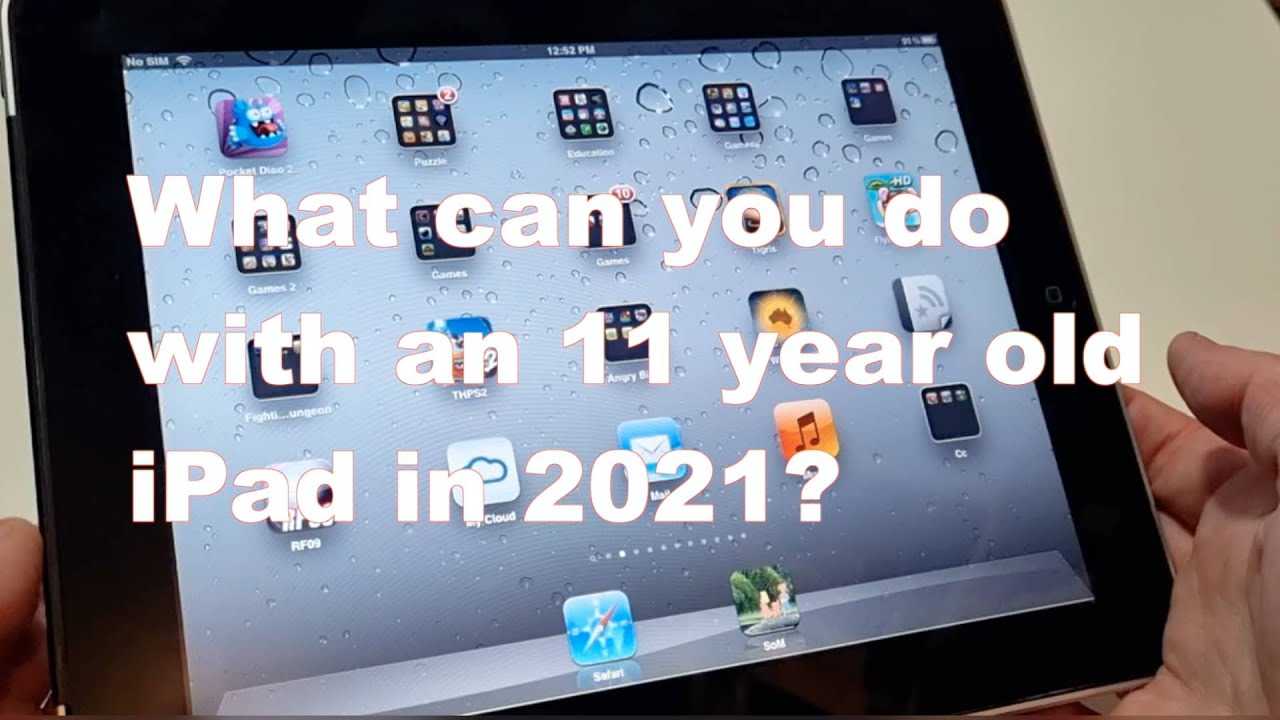
Yes, an 11-year-old can have an iPad if it’s used responsibly and with appropriate boundaries. It can be a valuable tool for learning, creativity, and staying connected with friends, but it’s important for parents to set limits to ensure healthy usage.
An iPad can be a great addition to an 11-year-old’s life, offering educational apps, creative opportunities, and a way to socialize. However, it’s essential for parents to weigh the benefits against potential risks like screen time overuse or exposure to unsuitable content. In this article, we’ll explore whether an iPad is a good idea for an 11-year-old, how to set healthy boundaries, and tips for making the most of this device to benefit your child’s growth and development.

Should an 11 Year Old Have an iPad? Exploring the Pros and Cons
Understanding the Right Age for an iPad
Deciding if an 11-year-old should have an iPad depends on many factors. Children at this age are growing more independent and curious. An iPad can be a useful tool, but it also comes with responsibilities and risks. It’s essential to consider whether the child is ready for tech use and how it fits into their daily routine.
Educational Benefits of Giving an iPad to an 11-Year-Old
An iPad offers numerous educational advantages. It can help children with homework, project research, and learning new skills. Interactive apps and eBooks make studying more engaging. Many schools now incorporate tablets to supplement classroom lessons, so access at home supports their learning.
Enhanced Learning Opportunities
Using an iPad can improve comprehension through multimedia content like videos, tutorials, and interactive quizzes. It helps develop digital literacy skills early, which are crucial for future education. Children can also access educational games that reinforce math, reading, and science concepts.
Encouraging Creativity and Self-Expression
An iPad promotes creativity through drawing apps, music programs, and storytelling tools. Children can express thoughts and ideas visually or through writing. This fosters confidence and helps develop their artistic talents.
Social and Recreational Uses of an iPad
Aside from academics, an iPad can be a source of entertainment and social interaction. Kids can connect with friends, join online communities, or participate in age-appropriate gaming. Proper moderation, however, is key to balance screen time and social growth.
Facilitating Communication
Video calls and messaging apps allow children to stay in touch with family and friends. It can support social skills and keep long-distance friendships alive. Parents should monitor these interactions for safety.
Entertainment Options
Streaming videos, listening to music, and playing games can provide fun and relaxation. It’s important to set limits to prevent excessive screen time. Quality content should be prioritized over entertainment quantity.
Potential Risks and Challenges
While iPads have benefits, they also pose risks. Overuse can lead to reduced physical activity and sleep disturbances. Exposure to inappropriate content is another concern. Parents need to set boundaries and supervise usage carefully.
Screen Time Management
Establishing clear rules about how long and when a child can use an iPad helps prevent overdependence. Many parental control features can limit usage and block unsuitable sites or apps. Consistent routines foster healthier tech habits.
Privacy and Safety
Children might inadvertently share personal information or encounter cyberbullying online. Teaching them about online safety and privacy is crucial. Regular conversations can help them understand what is appropriate behavior online.
Balancing Technology with Other Activities
An iPad should complement, not replace, physical activity, reading, and face-to-face interactions. Encouraging outdoor play and hobbies helps develop well-rounded skills. Setting aside tech-free times supports overall well-being.
Establishing a Routine
Designate specific times for iPad use, such as after homework or chores. Having tech-free zones like bedrooms encourages healthier habits. Consistent routines make it easier for children to manage their screen time.
Promoting Other Interests
Encourage participation in sports, arts, and social events. These activities support physical health and social skills. An iPad can be part of a balanced schedule when used thoughtfully.
Parental Guidance and Monitoring
Parents play a vital role in ensuring safe and productive iPad use. Employing parental controls, monitoring activity, and maintaining open communication helps manage risks. Engaging with children about their online experiences builds trust and awareness.
Choosing the Right Devices and Apps
Select devices that are durable and age-appropriate. Install educational and safe apps, avoiding those with in-app purchases or ads. Regularly review content to ensure it aligns with your values and goals.
Setting Clear Rules and Expectations
Define what is acceptable regarding screen time, apps, and online interactions. Consistent rules help children understand boundaries. Explain the reasons behind the rules to encourage compliance.
Deciding whether an 11-year-old should have an iPad depends on individual maturity, family values, and how the device will be used. When managed properly, an iPad can be a helpful tool for learning, creativity, and social connection. However, it requires ongoing supervision, clear boundaries, and balanced use to ensure it benefits your child’s development without causing harm.
Frequently Asked Questions
What safety considerations should parents keep in mind when giving an iPad to an 11-year-old?
Parents should set clear boundaries around screen time to prevent excessive usage. Installing parental control apps helps monitor and restrict access to certain content. It’s also important to discuss online safety, including avoiding sharing personal information and recognizing inappropriate content. Encouraging balanced use, such as combining device time with outdoor activities, can promote overall well-being for the child.
How can an iPad support an 11-year-old’s educational growth?
An iPad offers a variety of educational apps, e-books, and interactive learning tools that can enhance the child’s understanding of different subjects. It provides access to educational videos, online courses, and collaborative platforms that encourage active learning. Using the device to complete homework and explore new interests can foster curiosity and develop valuable skills for school success.
What are the potential drawbacks of giving an iPad to an 11-year-old?
At what age should children start using an iPad?
There is no strict age to introduce an iPad, but many parents consider starting around age 5 to 7, depending on the child’s maturity and needs. For an 11-year-old, using an iPad can support educational pursuits and social connections, provided that usage remains focused, supervised, and balanced with other activities. Tailoring the introduction based on the child’s responsibility level helps ensure a positive experience.
How can parents encourage responsible usage of an iPad for their child?
Parents can promote responsible usage by establishing clear rules about when and how long the device can be used. Encouraging children to take regular breaks and balance screen time with physical activity ensures healthy habits. Discussing appropriate online behavior and setting privacy guidelines helps foster safe and respectful use of the device. Leading by example also reinforces responsible technology habits.
Final Thoughts
In conclusion, deciding if an 11 year old should have an iPad depends on their maturity and responsible use. An iPad can boost learning and creativity when used properly. Parents should set boundaries and supervise screen time to ensure a healthy balance. Ultimately, the must important factor is whether the device supports the child’s growth and education in a safe manner.

Similar Posts