How Do I Update My 10 Year Old Ipad Effectively


How do I update my 10 year old iPad?
Updating a 10-year-old iPad can seem tricky because technology changes quickly, and older devices may not support the latest software updates. However, with the right steps, you can extend your iPad’s life and keep it working smoothly. This section guides you through understanding whether your device can be updated and how to perform the update process effectively.
Check Compatibility for Software Updates
Before trying to update your iPad, you need to determine if your device can run the latest available iOS version. Apple releases software updates for specific models, and older iPads may not support new updates.
To check compatibility, find your iPad model number in Settings under General >About. Then, visit Apple’s official website or search online for your model number to see which iOS versions are compatible.
If your iPad is too old, it might only support updates up to iOS 9 or iOS 10, which can limit app functionality and security.
Understanding the Limitations of a 10-Year-Old iPad
Many 10-year-old iPads, such as the first-generation iPad Air or the third or fourth-generation iPad, are no longer supported by the latest iOS versions. This means they cannot receive official updates from Apple.
Without the ability to update to newer iOS versions, your device might face challenges like incompatible apps, security vulnerabilities, and slower performance. Consider whether updating is still worth it or if replacing the device might be a better option.
How to Check Your iPad’s Software Version
To see what software your iPad currently runs, go to Settings >General >Software Update.
If you see a message saying your software is up to date, your device cannot be upgraded further.
If an update is available, you’ll see the version number and can decide whether to proceed with the installation or explore other options.
Preparing Your iPad for an Update
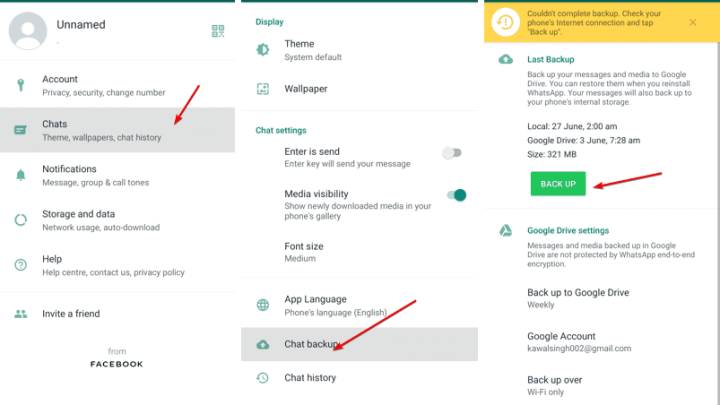
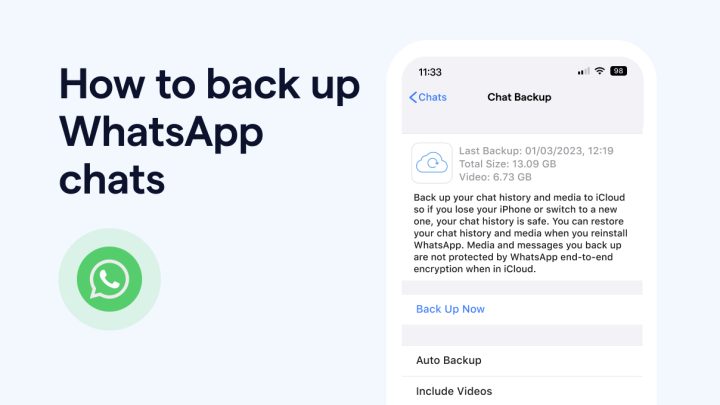
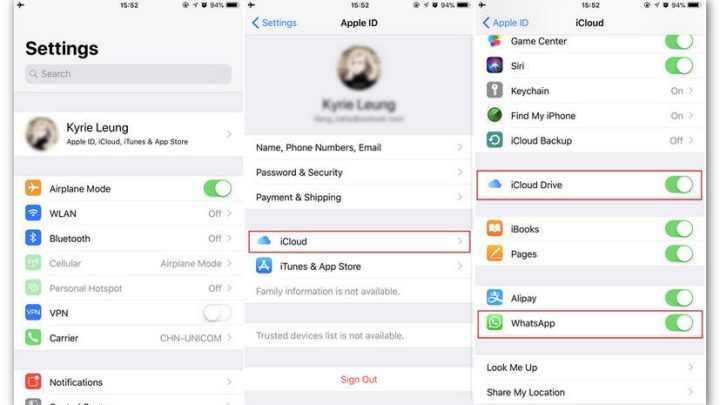
Before updating, back up your iPad data to prevent any loss of photos, videos, or important files. You can do this via iCloud or by connecting your iPad to a computer with iTunes or Finder.
Ensure your iPad has enough storage space for the update—delete unnecessary apps or files if needed.
Connect your device to a reliable Wi-Fi network and plug it into power to avoid interruptions during the update process.
Updating Your iPad: Step-by-Step Guide
- Open Settings on your iPad.
- Tap General, then select Software Update.
- If an update is available, tap Download and Install.
- Enter your passcode if prompted.
- Agree to the terms and conditions.
- Wait for the download to complete, then follow the on-screen instructions to install the update.
During the process, your iPad may restart several times. Do not turn it off until the update finishes.
What to Do if No Update Is Available
If your iPad cannot be updated to the latest iOS version, you still have options.
- Update to the latest compatible iOS version available for your device.
- Consider installing security patches or updates through other methods, if available.
- Replace the device with a newer model for better features and longer support.
Manual Update via iTunes or Finder
If the over-the-air update isn’t working, you can try updating your iPad through a computer.
Using iTunes (Windows or macOS Mojave and earlier)
- Connect your iPad to your computer with a USB cable.
- Open iTunes and select your device.
- Click Summary, then choose Check for Update.
- If available, click Download and Update.
- Follow prompts to complete the process.
Using Finder (macOS Catalina and later)
- Connect your iPad to your Mac.
- Open Finder and select your device from the sidebar.
- Click General or Settings.
- Press Check for Updates.
- Follow instructions to update.
Evaluating Whether to Keep or Replace an Old iPad
If your iPad cannot update past a certain iOS version, you might experience issues with app compatibility and security.
In such cases, assessing whether to keep the device or replace it depends on your needs. If basic functions are enough, it may still serve as a learning or media device.
However, for security and performance, investing in a newer iPad model might be a better decision in the long run.
Tips to Maximize Your Old iPad’s Performance
Even without software updates, you can optimize your iPad by closing unused apps, deleting cache files, or resetting settings.
Updating apps through the App Store can also improve performance if they are compatible with your current iOS version.
Regularly restarting your device helps clear temporary files and improves responsiveness.
Related Topics
- Best budget iPads for everyday use
- How to secure an outdated device
- Alternatives to upgrading your old iPad
- Tips for extending the life of an older device
Understanding these steps and limitations can help you make informed decisions about your aging iPad. While updates can bring improvements, knowing when to upgrade is key to staying connected and secure.
Frequently Asked Questions
What steps should I follow to check if my iPad’s software is up to date?
To determine if your old iPad has the latest software, go to the Settings app, tap on General, and then select Software Update. Your device will check for available updates. If an update appears, follow the on-screen instructions to download and install it. If no update is available, your iPad is already running the latest compatible version.
How can I free up space on my iPad to install the latest updates?
Start by deleting unused apps, deleting old photos and videos, or clearing Safari cache and website data. You can also offload apps you rarely use without losing their data. To do this, go to Settings, tap General, then iPad Storage, and review your storage to identify items to remove. Having enough free space ensures smooth installation of updates.
Is there a way to update my iPad if it doesn’t support the latest iOS version?
If your iPad cannot support the newest iOS versions, check if Apple still provides security patches or updates for your model. Sometimes, devices that are several years old receive critical updates, but not the latest iOS versions. Consider upgrading to a newer iPad model if security updates or new features become essential for your use.
Can I update my iPad using a computer instead of over Wi-Fi?
Yes, you can update your iPad through a computer using iTunes (on Windows or older macOS) or Finder (on macOS Catalina and later). Connect your iPad to the computer with a USB cable, open the respective application, select your device, and click on Check for Updates. Follow the prompts to download and install the update. Make sure your computer has an active internet connection and sufficient storage space.
What should I do if my iPad gets stuck during the update process?
If your iPad freezes or gets stuck during an update, force restart the device by pressing and holding the Home button and the power button simultaneously until the Apple logo appears. Then, reconnect the iPad to your computer and use iTunes or Finder to check for updates or restore the device if necessary. Be cautious, as restoring your device may erase data, so backup beforehand if possible.
Final Thoughts
To update your 10 year old iPad, start by checking if your device can run the latest iOS version compatible with it. Connect your iPad to Wi-Fi and plug it into a power source for a smooth update process. Navigate to Settings > General > Software Update to see if an update is available. If no update appears, your iPad might be limited to older iOS versions, and updating may not be possible. Consider alternative options like restoring the device or exploring third-party solutions. In conclusion, how do I update my 10 year old iPad? If you follow these steps, you can determine whether your device supports an update or if it’s time to consider alternatives.
Similar Posts