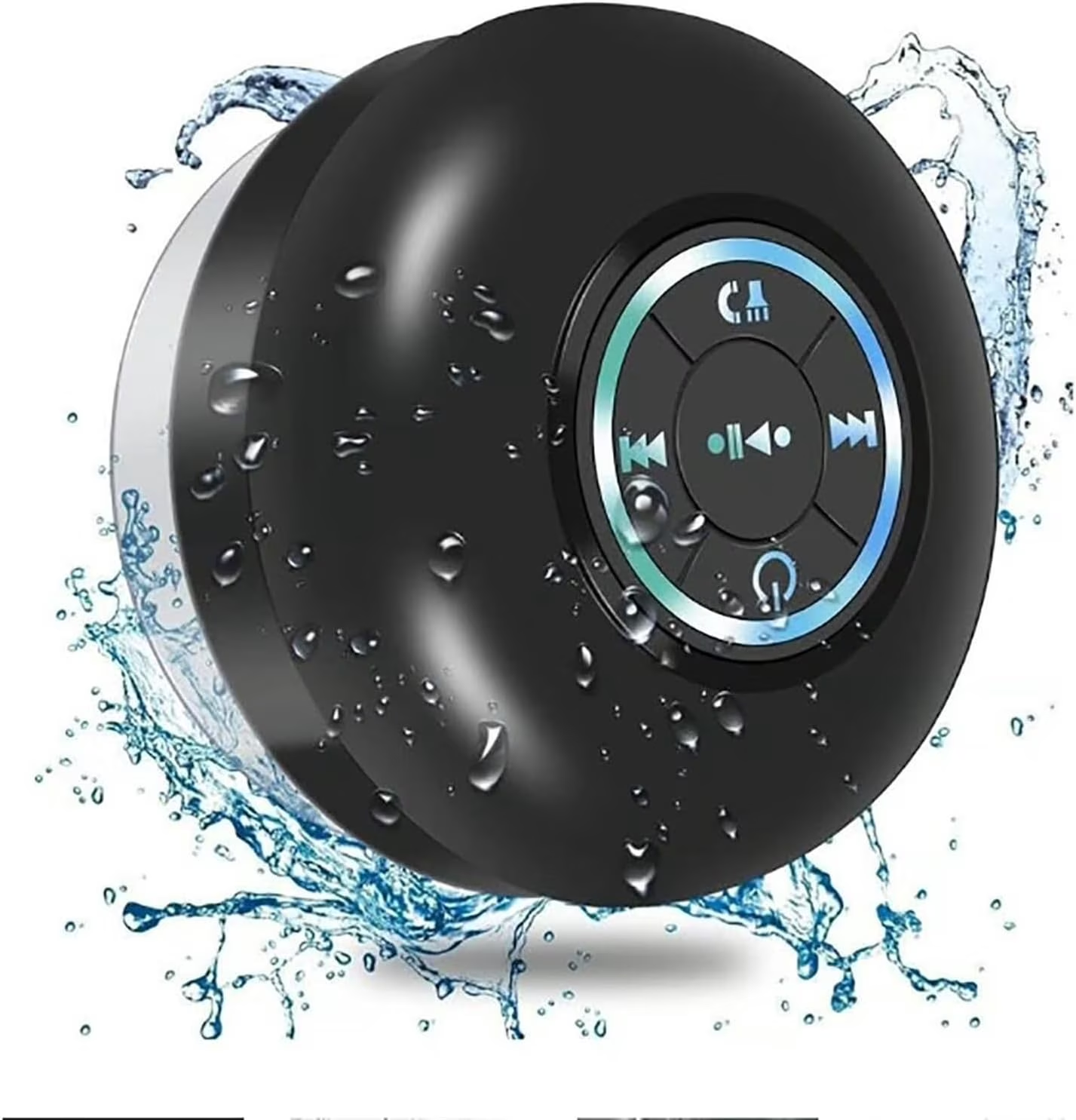
Is Your Mini Sound Box Waterproof?
So you’ve got a mini sound box and you’re asking, is mini sound box waterproof? It’s a smart question. Because the word “waterproof” gets thrown around a lot, but it doesn’t mean the same thing on every product.
One speaker might survive a light rain. Another can sit at the bottom of a pool for 30 minutes.
In our research, the only reliable way to know is the Ingress Protection (IP) rating, defined by the IEC 60529 standard. That rating tells you exactly what a speaker can handle. If you don’t know that number, you’re guessing.
And guessing near water usually ends badly. Let’s walk through how to figure out what you’ve actually got.
Why You Can’t Trust the Word “Waterproof” on a Mini Sound Box
Here’s the ugly truth: there’s no legal definition for “waterproof” on consumer electronics. Any manufacturer can slap that word on a box. It’s marketing, not engineering.
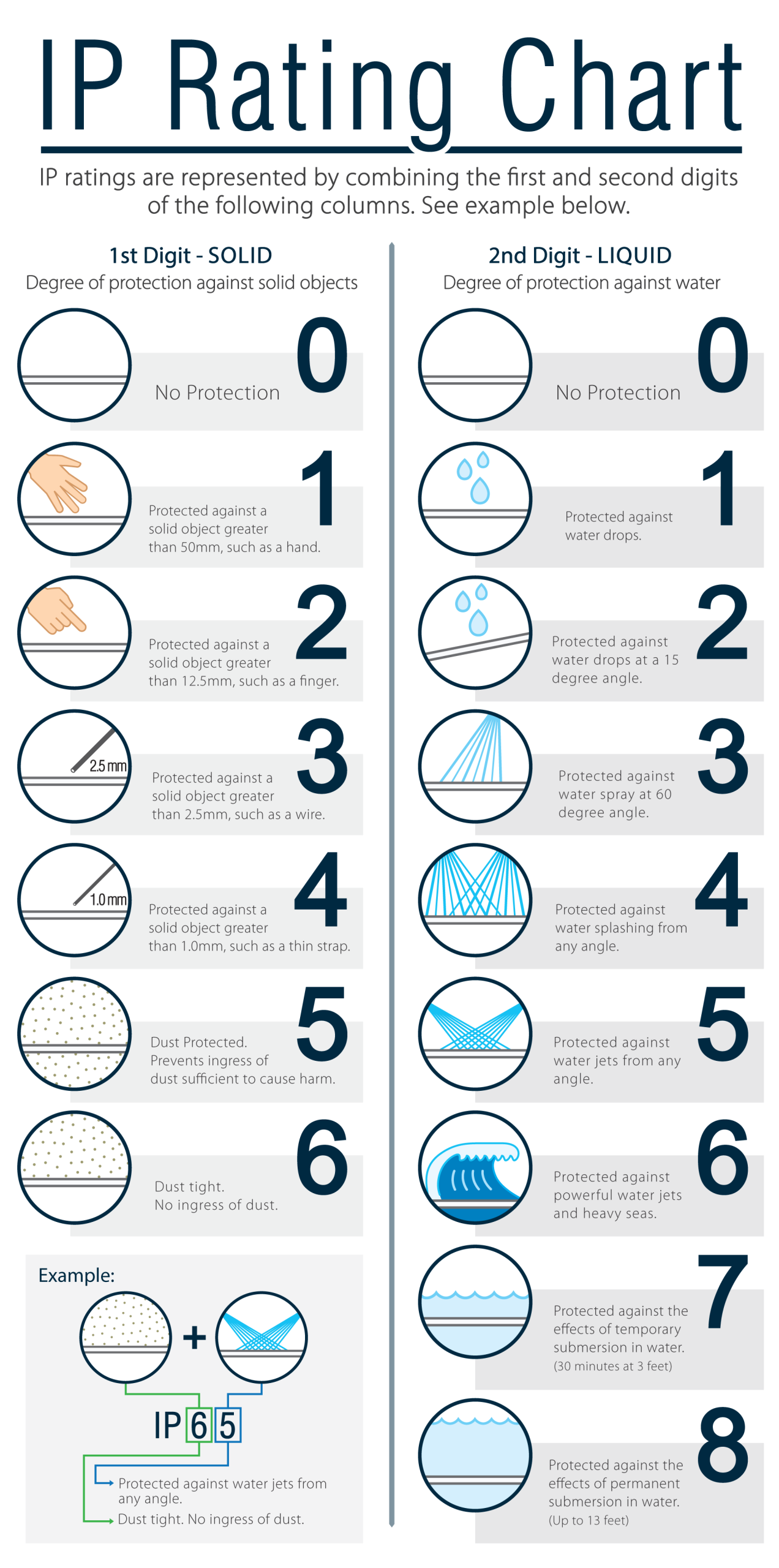
The IP rating system is the real standard. It uses two numbers. The first digit (0, 6) covers dust and solid particle protection.
The second digit (0, 8 or 9) covers water resistance. For mini sound boxes, you’ll almost always see “IPX” followed by a number, the “X” means the dust rating wasn’t tested or wasn’t published.
If a product page says “waterproof” but doesn’t list an IP rating, that’s a red flag. Aggregate reviews report that many no-name brands skip the rating entirely. They rely on the word itself to sell units.
Don’t fall for it.
Even when an IP rating is present, the tests are done in fresh water under controlled lab conditions. Real-world use is messier. Saltwater, soapy water, or chlorinated pool water can damage seals faster than the lab test suggests.
As of 2026, most manufacturers still use the same IEC 60529 test methods. So the rating is a good baseline. Just know it’s not a guarantee against every scenario.
Bottom line: if you see “waterproof” but no IP rating, treat it as splash-resistant at best. If you see an IP rating, you can trust that number more than the marketing copy.
Quick Answer: Here’s How to Know for Sure in 10 Seconds
Check the IP rating on the box or product page. Look for “IPX7” or higher. That means it survived 30 minutes in 1 meter of water. “IPX6” handles powerful jets. “IPX4” is splash-proof only.
No rating means no guarantee. You can’t trust the word “waterproof” alone.
The Decision Tree: Is Your Mini Sound Box Actually Waterproof?
This is the practical part. Grab your speaker or the product info. Follow the branch that fits your situation.
Branch 1: You Have the Box or Manual
Check the back or bottom of the box. Look for the IP rating printed in small text. It will say something like “IPX7” or “IP68”.
If you see it, you have your answer. Write it down.
If you don’t see an IP rating anywhere, check the manual’s spec sheet. Sometimes the box omits it but the manual includes it. If neither has it, the manufacturer chose not to certify the speaker.
Treat it as not waterproof.
Branch 2: You Have the Product Page or Listing
Scroll to the “Specifications” section. Look for “Waterproof”, “Water Resistance”, or “IP Rating”. If you see “IPX4” or higher, you can trust that.
If you see only “water-resistant” or “splash-proof”, that’s a weaker claim. It might handle a few drops, not a dunk.
If the listing says “waterproof” but doesn’t show an IP rating, dig deeper. Check the manufacturer’s official site. Sometimes third-party sellers leave out the rating.
The brand’s own site is the most reliable source.
Branch 3: You Only Have the Speaker Itself
This is the hardest branch. You can’t always find the IP rating physically printed on a mini sound box. Some brands stamp it near the charging port or on the bottom.
Others don’t mark it at all.
If you can’t find the rating, search the model number online. Look up the official product page. Don’t guess based on how sturdy the speaker feels.
A rubberized exterior doesn’t mean it’s waterproof.
Branch 4: You’re Shopping for a New One
This is the easiest branch. You get to choose. Look for a speaker with an IPX7 rating at minimum.
That handles submersion. If you only need splash resistance for a bathroom or kitchen, IPX4 is fine. For outdoor use near pools or beaches, go IPX7 or IP68.
Avoid speakers that don’t list an IP rating. The price difference is often small. A certified speaker costs a few dollars more and saves you from replacing a water-damaged unit.
What Those IP Rating Numbers Actually Mean (IPX4 vs IPX7 vs IP68)
The IP rating system can feel like a code, but it’s straightforward once you know the numbers. Here’s a breakdown of the water ratings you’ll see on mini sound boxes.
| IP Rating | What It Means | Real-World Use Case |
|---|---|---|
| IPX4 | Splash-proof from any direction | Bathroom shelf, light rain, sweaty gym bag |
| IPX5 | Low-pressure water jets | Poolside, kitchen counter, heavy rain |
| IPX6 | Powerful water jets | Outdoor hose spray, heavy splash zones |
| IPX7 | Submersion up to 1 meter for 30 minutes | Dropped in pool, beach use, shower floor |
| IP68 | Submersion beyond 1 meter (manufacturer specifies depth and time) | Kayaking, snorkeling, extended wet use |
Key point: IPX7 is the most common on mini sound boxes. It means the speaker survived a 30-minute bath in 1 meter of fresh water. But it’s not tested for repeated use.
Each dunk puts stress on the seals.
IP68 is better, but it’s rarer on small speakers. The manufacturer sets the exact depth and time. Some guarantee 1.5 meters for 30 minutes.
Others go deeper. Check the fine print.
One thing people miss: the IP rating only covers the speaker when all ports are closed. If the charging port flap is open, the rating is meaningless. That’s a big deal, and it’s the next section.
The Charging Port Trap: Why It’s the Weakest Link
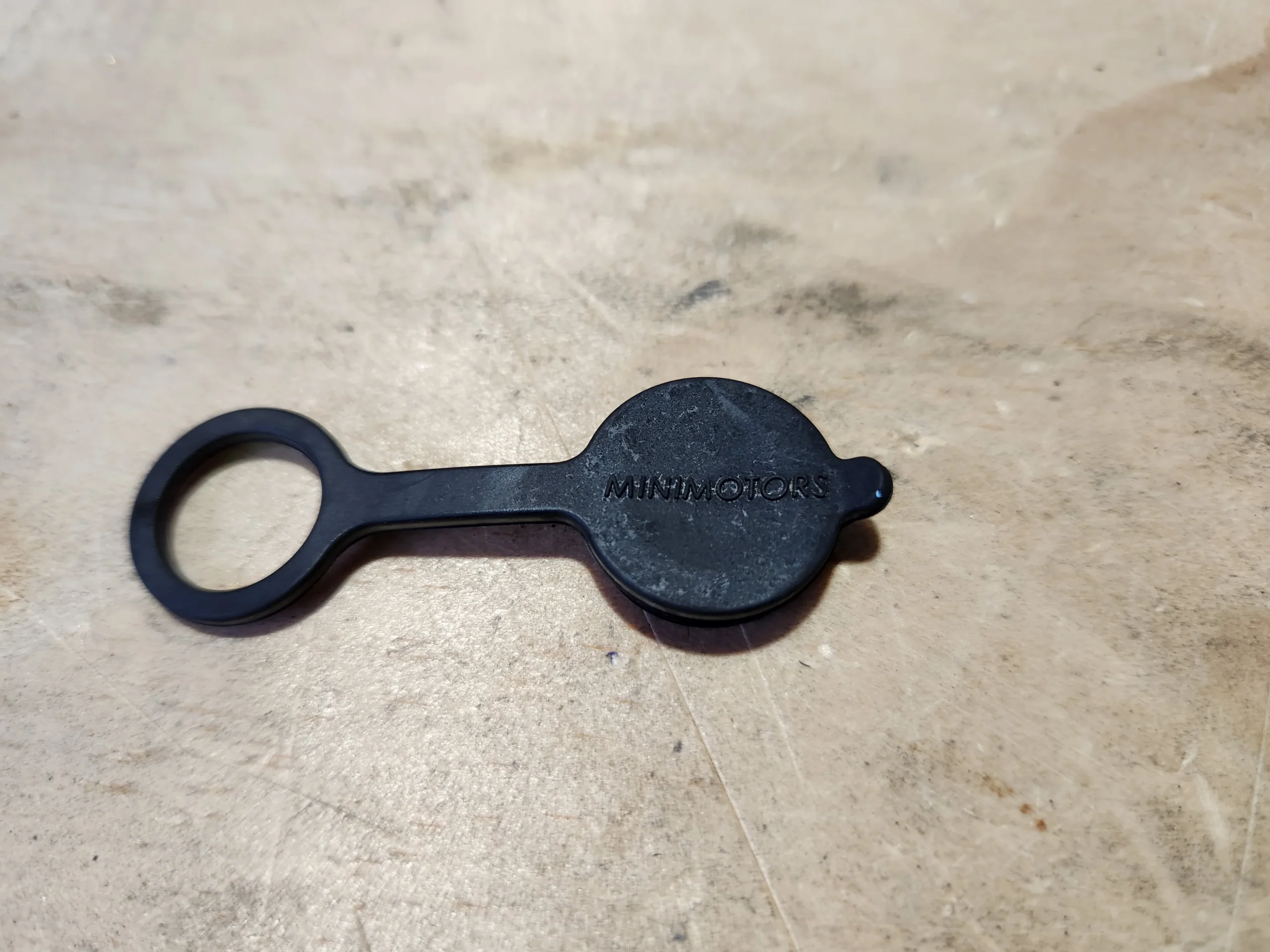
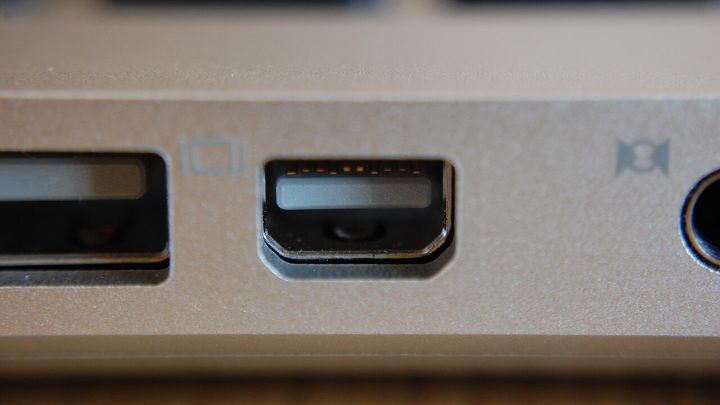
Every mini sound box has a charging port. That port is the most common entry point for water. Even a speaker with an IPX7 rating can fail if the port cover isn’t sealed properly.
Look at the rubber flap or silicone plug that covers the USB or charging port. That’s the seal. If it’s cracked, missing, or not fully pressed in, water gets inside.
Once water hits the charging board, the speaker is often dead.
Here’s what to check:
- Before using the speaker near water, press the port cover firmly until you feel it click or seat into place.
- Inspect the rubber seal for cracks or debris. A tiny grain of sand can break the seal.
- After wet use, dry the port area before opening the flap. Water trapped under the cover can enter the port when you plug in a charger.
A common mistake is charging the speaker while it’s still damp. Even a few drops of moisture in the charging port can cause a short circuit. Let the speaker air dry completely, port cover open, for at least a few hours before charging.
If you’re dealing with a speaker that won’t charge after water exposure, it might be a seal issue. Check our guide on troubleshooting charging issues. Sometimes the fix is as simple as drying the port thoroughly.
Other times, the internal board is damaged and needs repair. We cover that in our article on repairing a water-damaged unit.
The charging port trap is why you can’t just trust the IP number. You have to maintain the seal. Ignore it, and your waterproof speaker becomes a regular one real fast.

Similar Posts