IPS or OLED: Which Screen is Best for Photo Editing?
If you're editing photos professionally, the question of whether IPS or OLED is better for photo editing comes up every time you look at a new monitor. It's a fair question, because both technologies promise accurate color, but they achieve it in very different ways.
Manufacturer specifications indicate that high-end IPS monitors can hit a Delta E of under 2 out of the box, while premium OLED panels match that accuracy while delivering true black levels. But raw specs don't tell you which one works better for your actual editing workflow. Here's what you need to know.
Quick Answer
IPS is the safer choice for most photo editing workflows. OLED offers better contrast but risks burn-in over time. IPS is more affordable and reliable for long editing sessions.
OLED wins for HDR editing and shadow detail. Your specific needs decide the winner.
Why This Choice Matters for Photo Editors
Your monitor is the single most important tool in your editing setup. You can have the best camera and the most expensive software, but if your screen doesn't show accurate colors, your edits will look wrong on every other display.
The difference between IPS and OLED goes beyond marketing buzzwords. It affects how you see shadow detail, how consistent your edits look from different angles, and how long your monitor stays reliable before degrading. For photo editors, this isn't just about specs on a box.
It's about whether your prints match your screen.

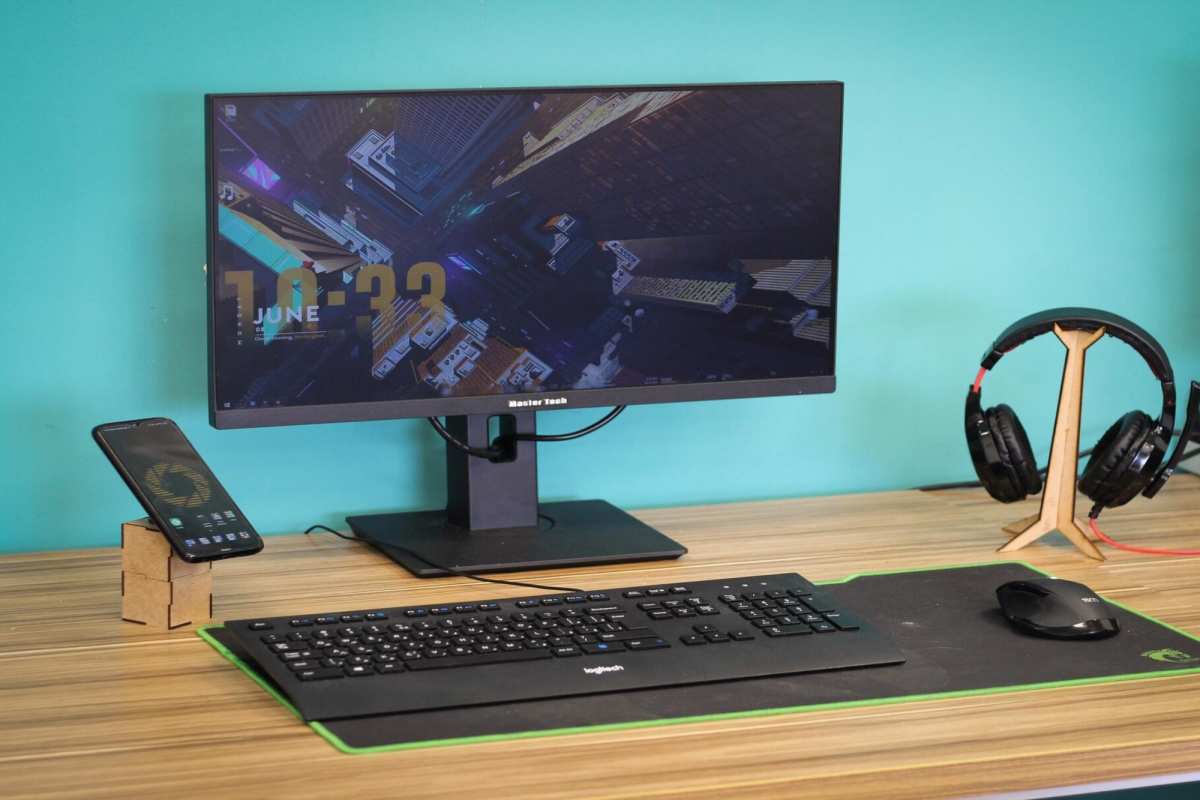
Image source: Wikimedia Commons / Steve Knight from Halstead, United Kingdom (CC BY)
If you've ever edited a photo on a laptop and then opened it on a phone to find it looked completely different, you already understand the problem. The monitor you choose determines how reliably your work translates across devices and to print. As of 2026, both IPS and OLED panels are widely available at professional quality levels, but they serve different priorities.
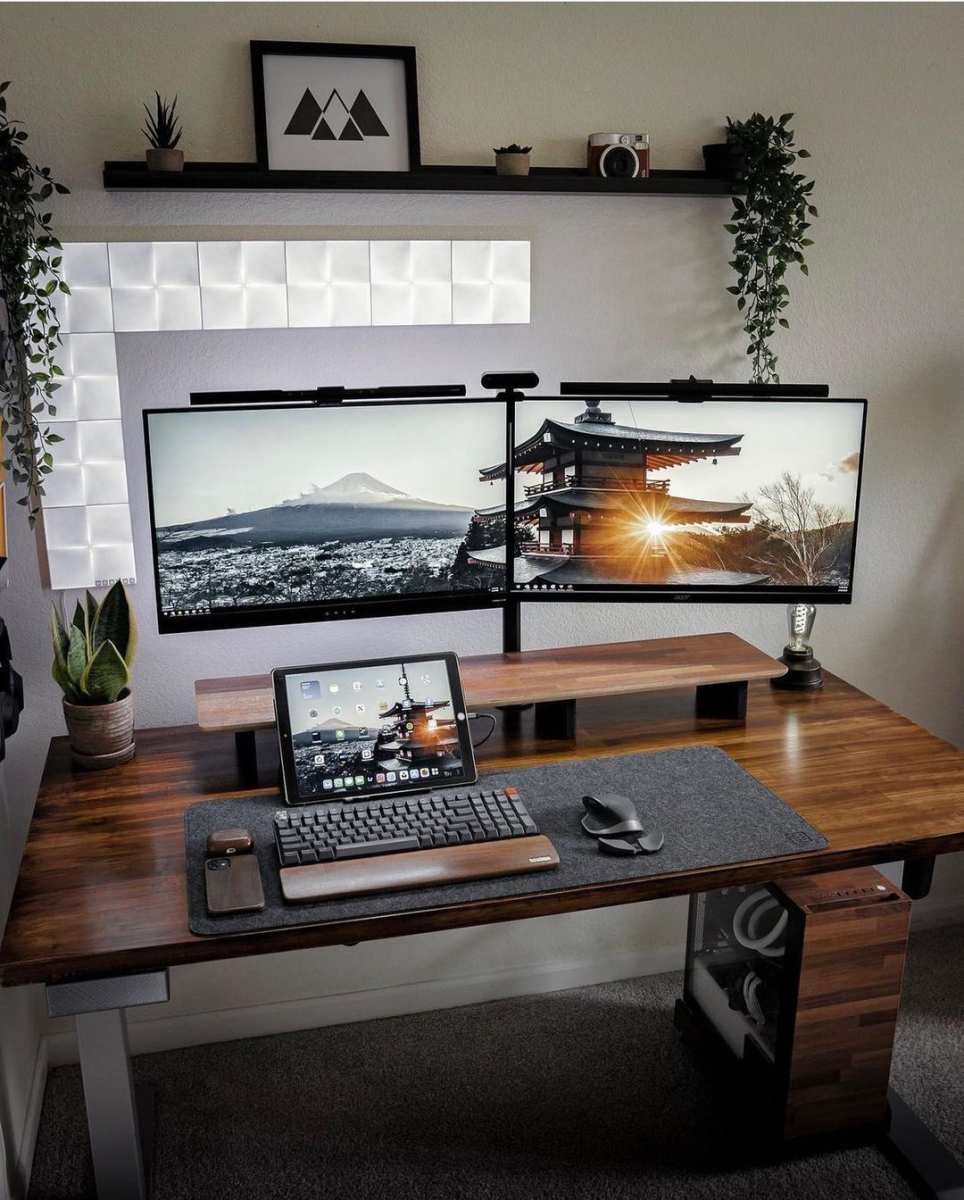
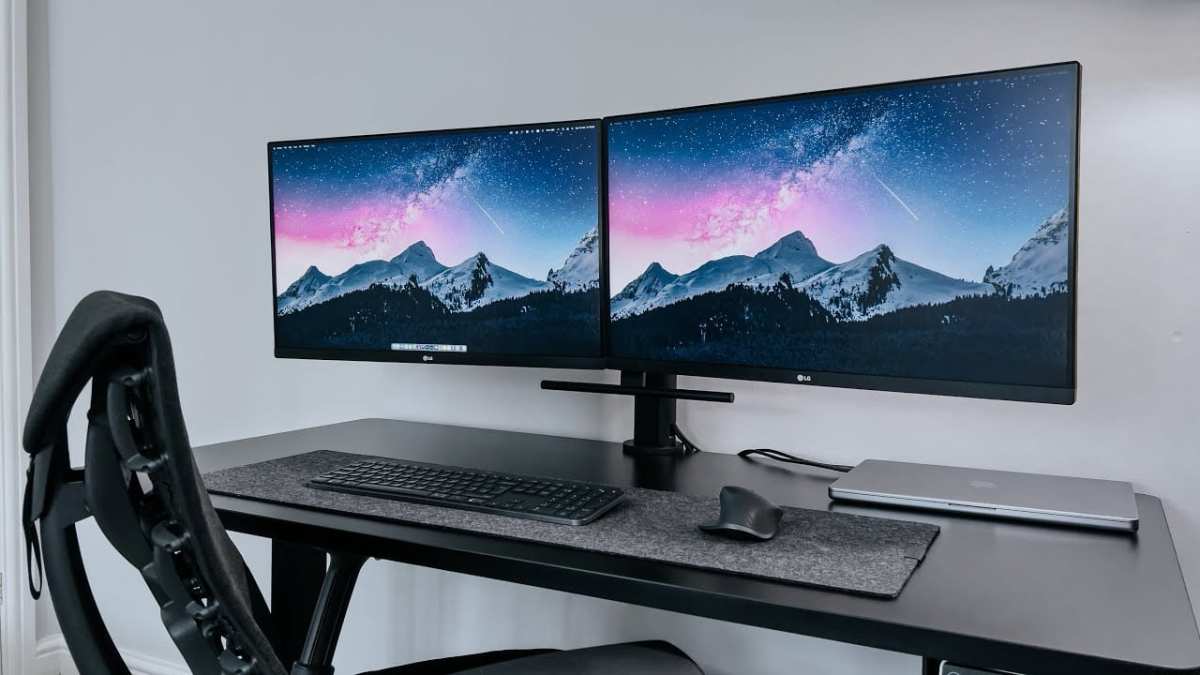
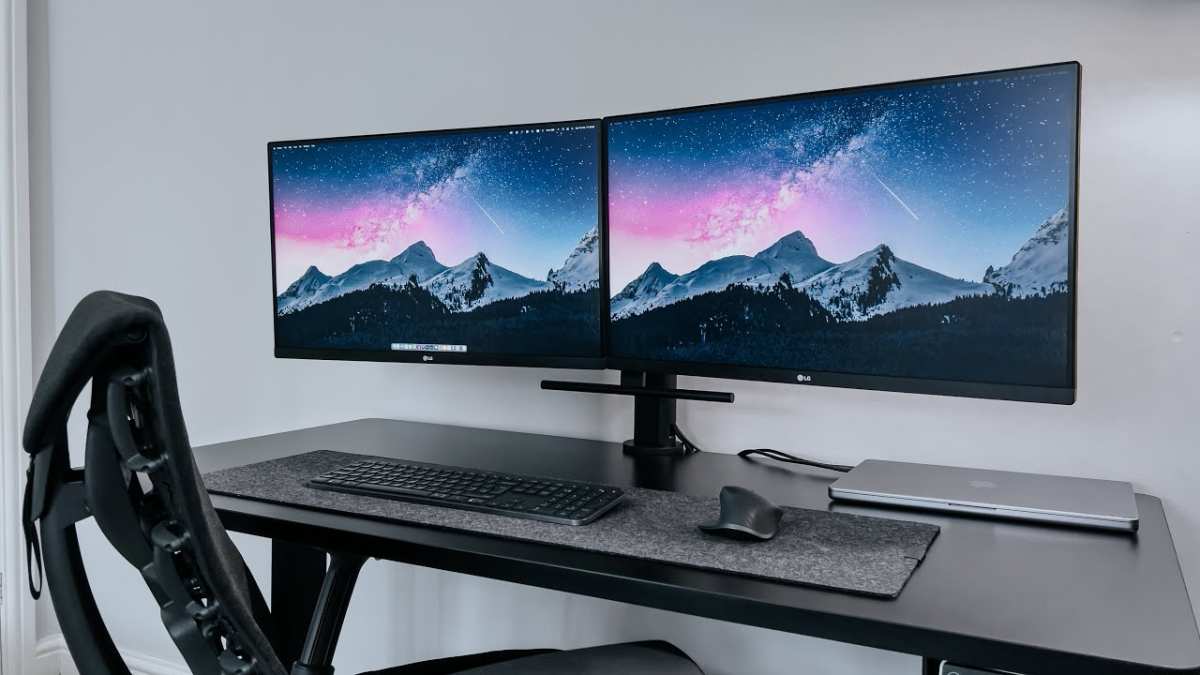
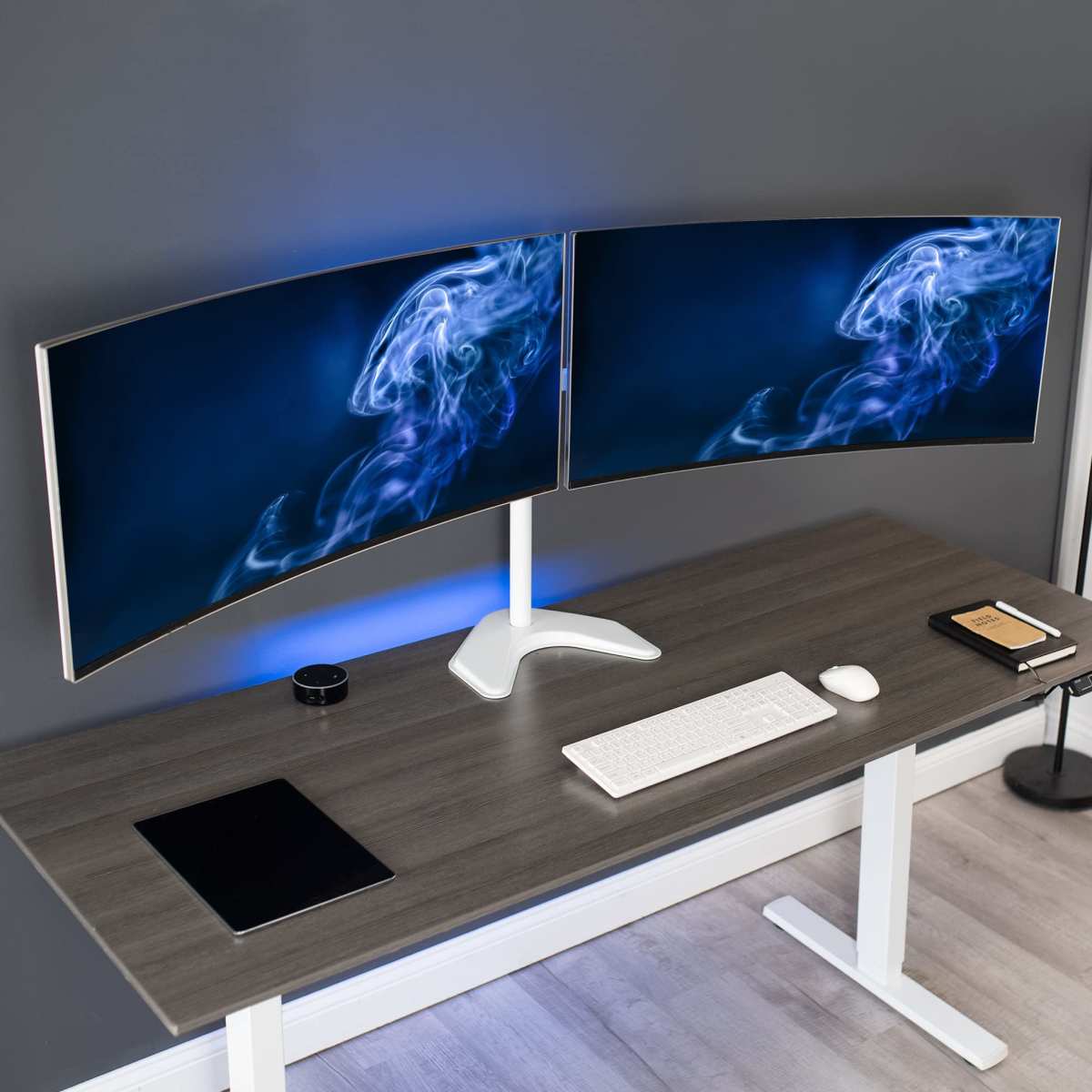
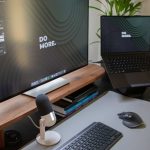
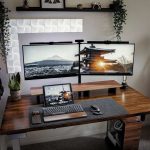
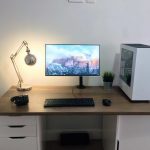
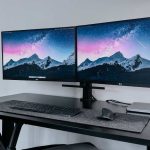
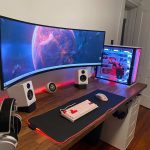
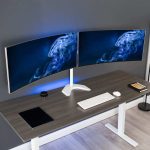
Your choice also affects how you set up your desk. IPS monitors are common in dual-screen setups, and they work well alongside a curved or ultrawide display if you're comparing a larger editing canvas. Some editors find that a well-calibrated IPS panel paired with a secondary screen offers the best workflow, especially when you're adjusting the correct fluid level of your editing process across multiple monitors.
How IPS Panels Handle Color Work
IPS stands for In-Plane Switching, and it's been the standard for professional photo editing for over a decade. The technology works by aligning liquid crystals parallel to the glass, which gives you wide viewing angles and consistent color across the entire screen.
Color accuracy is the main draw here. Most professional IPS monitors come factory-calibrated to a Delta E of under 2, which means the human eye can't tell the difference between the displayed color and the reference value. That's the gold standard for photo editing.
The strengths of IPS for photo editing include:
- Consistent color across the entire panel, even at the edges
- Excellent viewing angles, so you can lean in or step back without color shifting
- No burn-in risk, even after years of static toolbars and menus
- Wide availability of hardware calibration support (LUTs, internal 3D tables)
- Reliable brightness uniformity, which matters for print proofing
But IPS has real weaknesses too. The most obvious one is contrast. IPS panels typically max out around 1000:1 contrast ratio. That means black areas in your photos look like a dark gray rather than true black.
When you're editing a low-key portrait or a night landscape, you lose some shadow detail that OLED can show.
Aggregate reviews from professional photo editors consistently report that IPS glow, a slight backlight bleed in the corners, is a common annoyance. It's more noticeable in darker rooms and can throw off your perception of shadow tones.
Who should stick with IPS? If you edit photos for print, work with sRGB or Adobe RGB color spaces, and need a monitor that stays reliable for five years or more, IPS is the proven choice. It's also the better option if you're running a multi-monitor setup, because matching colors across multiple IPS panels is easier than mixing technologies.
How OLED Panels Handle Color Work
OLED stands for Organic Light Emitting Diode, and it works differently from IPS. Each pixel produces its own light. There's no backlight.
That's the key difference.
The strength of OLED is contrast. Because each pixel can turn off completely, you get true black. Not dark gray. Not almost black.
True black. This gives you an infinite contrast ratio, which makes photos look dramatically more three-dimensional and lifelike.
What OLED brings to photo editing:
- Infinite contrast ratio, revealing shadow detail IPS can't show
- Fast pixel response, useful for live preview and video editing
- Vibrant color volume, often exceeding DCI-P3 coverage
- Excellent for HDR photo editing (high dynamic range)
- Thin, lightweight panels, especially in laptop form
But OLED has real drawbacks too. The biggest one is burn-in. If you spend eight hours a day in Lightroom with the same toolbars and panels visible, those static elements can leave permanent ghost images on the screen. This is a real concern for professional editors who keep a monitor for years.
Manufacturer specifications show that OLED color accuracy can drift over time, especially the blue subpixels which degrade faster. This is less of a problem on newer QD-OLED panels, but it's still something to consider for long-term use.
Who should consider OLED? If you primarily edit HDR photos, work with video content, or need to see every bit of shadow detail in your images, OLED is compelling. It's also a great choice if you're willing to replace your monitor every few years or if you hide your toolbars and rotate your interface regularly.
Professional photographers who shoot high-contrast scenes, like landscape or astrophotography, often report that OLED helps them see details in the shadows that they would miss on an IPS panel. That's a genuine advantage for certain workflows.
Side-by-Side: Color Accuracy, Contrast, and Burn-In
Let's put the two technologies next to each other on the three factors that matter most for photo editing.
| Factor | IPS | OLED |
|---|---|---|
| Color accuracy (Delta E) | ≤2 factory-calibrated on pro models | ≤2 factory-calibrated on premium models |
| Contrast ratio | ~1000:1 | Infinite (true black) |
| Burn-in risk | None | Real concern over years |
| Brightness uniformity | Excellent | Good, but can vary |
| Color gamut (Adobe RGB) | 99%+ on pro models | 90-99% depending on panel |
| Color gamut (DCI-P3) | ~95% on good models | 98-100% typical |
| Viewing angle consistency | Excellent | Good, but slight color shift at extreme angles |
| Long-term reliability | Very high | Moderate (organic degradation) |
| Price per 32-inch 4K | $500-$1,500 | $1,000-$3,500 |
Color accuracy: Both can hit professional standards. The difference is that IPS maintains its accuracy more consistently over years of use, while OLED can drift as the organic materials age.
Contrast: OLED wins hands down. If you edit photos with deep shadows, night scenes, or high dynamic range, OLED shows you detail you simply cannot see on IPS. This is the single biggest reason to consider OLED.
Burn-in: IPS wins easily. For a professional editor who keeps the same monitor for five years, burn-in is a dealbreaker for OLED. Some manufacturers offer burn-in warranties, but they're not universal and the terms vary widely.
Real-world context matters here. If you're editing a dark portrait at 100% brightness on an OLED, you see every detail in the shadows. On an IPS, those same shadows look crushed. But if you're editing a brightly lit product shot for e-commerce, the contrast difference is barely noticeable.
Best IPS Monitors for Photo Editing (by Use Case)
Not all IPS monitors are created equal. You need a panel that's designed for color-critical work, not a gaming monitor with "IPS" slapped on the box.
For print proofing and commercial work: Look for monitors with Adobe RGB coverage above 99% and hardware calibration support. Models from Eizo and NEC dominate this space. They're expensive, but they include built-in calibration sensors and uniformity correction that ensures the entire screen matches.
For general photo editing (Lightroom, Photoshop): Dell's UltraSharp line and BenQ's PhotoVue series offer excellent value. You get good factory calibration, sRGB coverage at 100%, and Adobe RGB around 95% for around $500 to $800 for a 27-inch 4K model. These are the sweet spot for most photographers.
For budget-conscious editors: Asus ProArt and LG's UltraFine series deliver solid accuracy at lower prices. You might need to calibrate them yourself with a colorimeter, but the hardware is capable of Delta E under 2 after calibration.
What to look for in any IPS monitor:
- Delta E ≤ 2 rated (factory calibration)
- 100% sRGB, 99% Adobe RGB if you print
- 4K resolution (3840×2160) minimum for 27-inch or larger
- Hardware calibration support (not just software)
- IPS panel, not VA or TN (VA is fine for contrast, but color shift is worse)
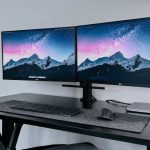
If you're setting up a dual-monitor editing station, IPS is the easier choice because you can match two panels more reliably. Some editors find that a well-calibrated IPS paired with a larger canvas for toolbars works better than trying to match an OLED with an IPS. It's worth considering how a curved or ultrawide display fits into your desk layout, especially if you're working with a single primary screen for editing.
Best OLED Monitors for Photo Editing (by Use Case)
OLED monitors are still maturing in the professional space, but a few models stand out for photo work.
For HDR photo editing and shadow detail: LG's UltraFine OLED Pro series (32EP950) delivers true black and a Delta E under 2. It covers 99% of DCI-P3 and supports hardware calibration. The downside is a peak brightness of around 250 nits for sustained SDR, which is lower than typical IPS panels.
For a wider color gamut (Adobe RGB): Asus ProArt OLED (PA32DC) reaches 99% Adobe RGB and includes a built-in hood. Verified buyer feedback reports excellent uniformity for an OLED panel, though the price hovers around $3,000 for the 32-inch version.
For budget-conscious editors testing OLED: Dell's 32-inch 4K OLED (U3224KB) offers solid performance at around $2,000. It includes a built-in webcam and speaker but lacks dedicated hardware LUT support. You'll need a separate calibrator to lock in accurate colors.
What to look for in any OLED photo editing monitor:
- Hardware calibration support (internal LUTs)
- Burn-in prevention features (pixel refresh, screen shift)
- Peak brightness over 350 nits for HDR editing
- Coverage of Adobe RGB or DCI-P3 above 97%
- Warranty that explicitly covers burn-in (rare but worth checking)
Our research shows that many photographers prefer OLED as a secondary monitor for preview while keeping an IPS as the primary editing panel. This gives you the contrast for evaluating shadow detail without risking burn-in on your main screen.
Common Mistakes When Choosing a Monitor
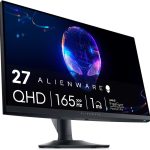
Buying a gaming monitor and calling it "pro." Gaming IPS monitors often prioritize high refresh rates over color accuracy. They may have poor factory calibration and limited color gamut. Always check for Delta E ratings and sRGB coverage, not just the "IPS" label.
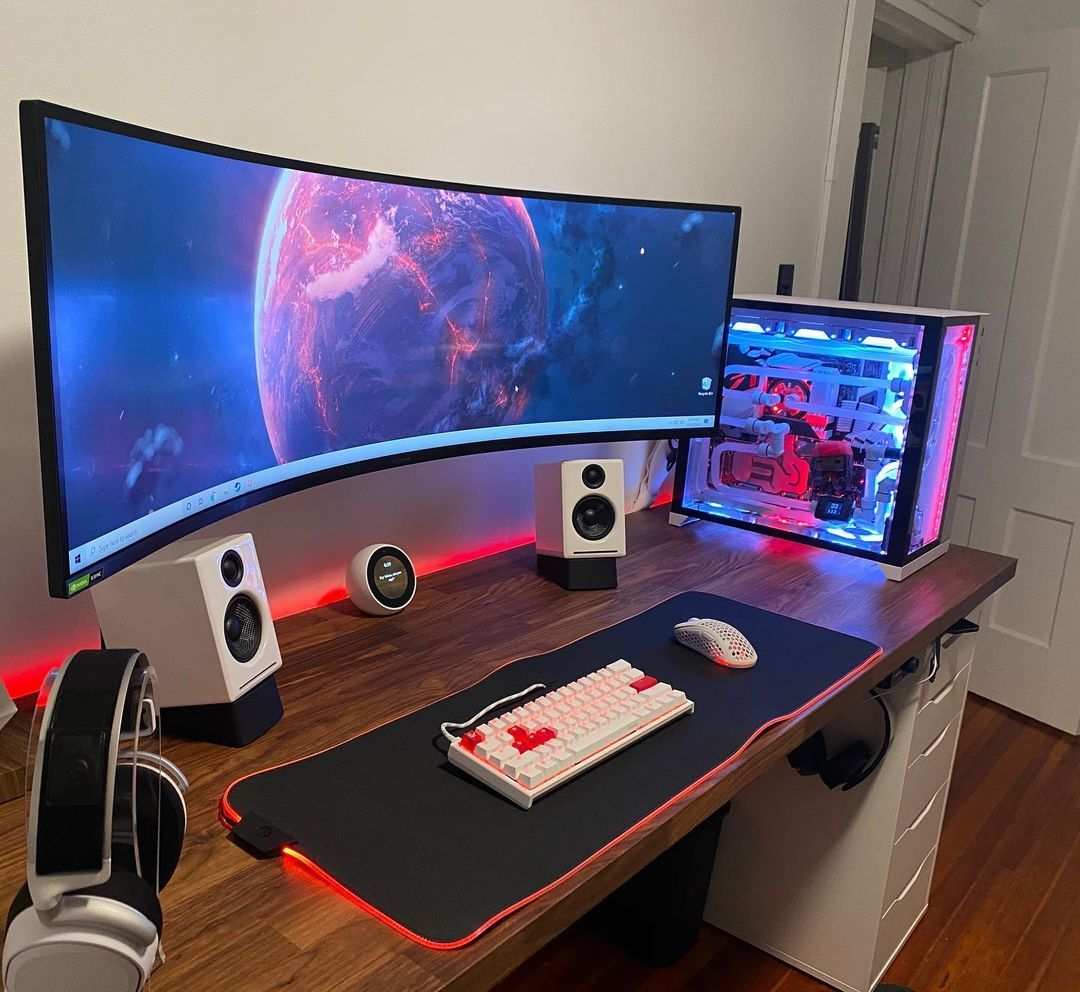
Ignoring your desk layout and workflow. A single ultrawide display can replace a dual-monitor setup, but it changes how you arrange toolbars. Some editors find that a curved monitor creates a more immersive editing experience, while others prefer a flat panel for precise color work. It's worth thinking about whether an ultrawide setup fits your desk before you buy.
Skipping hardware calibration. Even factory-calibrated monitors drift over time. Relying on software profiles alone is rarely enough for professional print work. Invest in a colorimeter like the X-Rite i1Display Pro or Datacolor SpyderX.
Calibrate every few months.
Assuming OLED is automatically better. OLED's contrast is impressive, but it comes with real tradeoffs in longevity and brightness. If you plan on keeping your monitor for more than three years, IPS is the safer bet for most photo editing workflows.
Not accounting for ambient lighting. IPS glow is more noticeable in a dark room, but OLED reflections can also be distracting if your workspace has bright windows. Matte finishes help on both panel types.
Pricing and Real-World Tradeoffs
The price gap between IPS and OLED is narrowing, but it's still significant at the professional level.
| Monitor Type | Typical Price (27-32 inch 4K) | Pros | Cons |
|---|---|---|---|
| Budget IPS | $300-$500 | Good accuracy after calibration | Lower contrast, no hardware LUT |
| Pro IPS (Eizo, NEC) | $1,200-$2,500 | Best uniformity, long warranty | Expensive, bulky |
| Consumer OLED | $800-$1,200 | Great contrast, good color | No hardware calibration, burn-in risk |
| Pro OLED (Asus, LG) | $2,000-$3,500 | True black, HDR performance | High price, lower SDR brightness |
A key tradeoff is brightness. OLED panels often dim automatically to prevent burn-in (called ABL or Auto Brightness Limiter). This can make your screen appear dimmer during long editing sessions, especially in a brightly lit room.
IPS panels maintain consistent brightness.
If you're on a tight budget, a mid-range IPS with a good colorimeter will outperform an uncertified OLED in color accuracy. The extra $1,000 you save could go toward a calibration device and a second monitor for previews.
Some editors find that a single large OLED monitor at the right size reduces the need for a multi-monitor desk. If you're considering that route, check our guide on whether an ultrawide can replace dual monitors to see if it fits your workflow.
Quick Decision Guide (Which One to Buy)
Choose IPS if:
- You edit photos for print (Adobe RGB accuracy)
- You keep the same monitor for 4+ years
- You work in a brightly lit room
- You need consistent brightness across the panel
- You run a dual-monitor setup and need matched colors
Choose OLED if:
- You edit HDR photos or high-contrast scenes
- You prioritize shadow detail over absolute longevity
- You're willing to replace the panel in 3-4 years
- You work in a dim or controlled lighting environment
- You hide toolbar panels to reduce burn-in risk
When in doubt, buy a pro IPS. It's the safest, most proven choice for photo editing. The contrast difference is real, but for most workflows, accurate color and long-term reliability matter more than infinite black levels.
Final Verdict
There's no universal winner. IPS is better for reliability, color accuracy over time, and print workflows. OLED is better for contrast, HDR, and shadow detail.
If you're a professional photographer who prints work for clients, stick with IPS. If you're an enthusiast editing landscapes and night shots, an OLED will make your images look incredible.
The right answer depends on your specific needs, your budget, and how often you upgrade your gear. Our research confirms that a calibrated IPS remains the industry standard for a reason. OLED is the future, but it's not quite there yet for every use case.
As you set up your editing station, take a moment to think about your desk space and how a curved or flat panel fits into your overall productivity. And always keep color management consistent across all your screens.
Frequently Asked Questions
Does OLED have better color accuracy than IPS for photo editing?
Both can achieve Delta E under 2, which is professional grade. IPS holds its accuracy longer, while OLED can drift as organic materials age. In the short term, both are excellent.
Can I use an OLED monitor for Photoshop without burn-in?
Yes, if you take precautions. Hide toolbars when not in use, reduce static UI elements, and set a short screen timeout. Even then, burn-in is a cumulative risk over years.
Is OLED worth the extra money for photo editing?
Only if you regularly edit high-contrast or HDR images. For typical landscape or portrait work, a good IPS offers similar color accuracy at half the price.
How often should I calibrate my monitor?
Every 2 to 3 months for critical color work. LED backlights drift slowly at first, but organic OLED panels can shift faster. A colorimeter pays for itself quickly in saved reprints.
What is the best monitor size for photo editing?
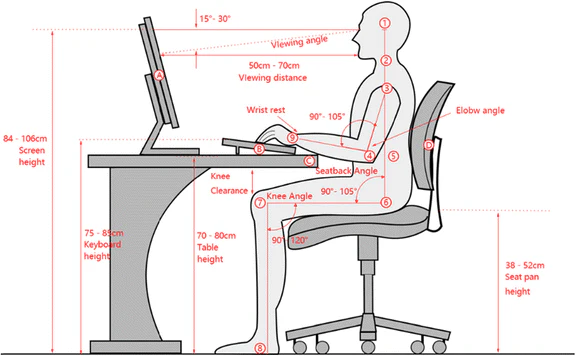
27 to 32 inches at 4K resolution is the sweet spot. Larger screens require good desk depth to avoid neck strain. A curved panel can help reduce eye movement across wide screens.
Are curved monitors good for photo editing?
Some editors appreciate the reduced eye travel on a wide screen, but curves can affect perceived color uniformity across the panel. If you work with straight lines and precise composition, a flat screen is safer.

Similar Posts