Iphone Setting To Protect Money And Photos For Privacy

iPhone Settings to Protect Money and Photos
When you own an iPhone, your personal data, money, and precious photos become part of your daily life. It’s important to take steps to keep these things safe from prying eyes, accidental damage, or theft. Apple provides several built-in features and settings that help you protect your financial information and photos. In this guide, we will explore these settings in detail, showing you how to set up your iPhone for maximum security and privacy.Securing Your Financial Information with iPhone Settings
Your iPhone is often used for banking apps, online shopping, and digital wallets. Protecting this financial information is crucial. Let’s look at how you can do that.Use Strong Passcodes and Biometric Authentication
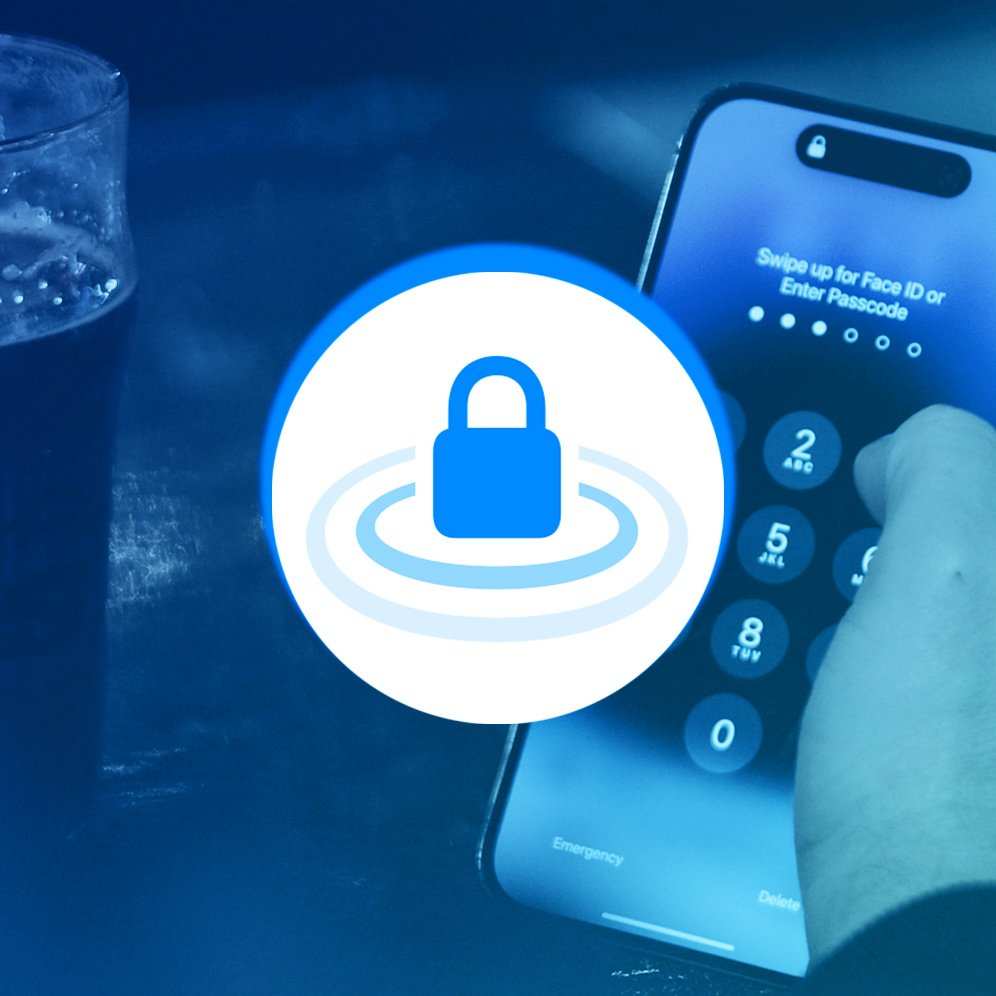
A strong passcode is your first line of defense. Instead of a simple four-digit PIN, consider setting a six-digit or alphanumeric passcode for better security. To do this:- Go to Settings
- Select Face ID & Passcode or Touch ID & Passcode depending on your device
- Tap on Change Passcode and set a complex code
- Navigate to Settings
- Tap on Face ID & Passcode or Touch ID & Passcode
- Ensure iPhone Unlock and relevant app options are toggled on
Enable Two-Factor Authentication for Apple ID
Two-factor authentication adds an extra layer of security by requiring a verification code when signing into your Apple account. To activate it:- Open Settings
- Tap on your name at the top to access Apple ID
- Select Password & Security
- Tap Two-Factor Authentication and follow the prompts
Manage App Permissions for Banking and Payment Apps
You want your financial apps to work smoothly but not at the expense of privacy. Review permissions periodically:- Go to Settings
- Select Privacy
- Tap on Location Services or App Privacy Report
- Adjust permissions for each app, especially banking and payment apps
Use Apple Pay Safely
Apple Pay provides a secure way to make transactions without exposing your card details. To enhance its safety:- Set a strong device passcode and enable Face ID or Touch ID
- Enable Require Attention for Face ID in Settings > Face ID & Passcode
- Turn on Find My iPhone for quick location if lost or stolen
- Remove cards from Apple Pay if you suspect your device is compromised
Securing Your Photos and Personal Data
Photos hold precious memories, but they also contain personal information that should stay private. Here’s how to keep your photos safe on your iPhone.Use the Built-in Photos App Security Features
While the Photos app doesn’t have a specific lock, you can hide sensitive images:- Open the Photos app
- Select the photos you want to hide
- Tap the Share icon
- Choose Hide
- Confirm to hide
- Go to Albums
- Scroll down to Hidden
- Tap … (ellipsis) and then toggle Show Hidden Album
Set Up Screen Time and Content Restrictions
You can prevent unauthorized access or accidental deletion by limiting who can view or edit your photos:- Navigate to Settings
- Select Screen Time
- Tap on Content & Privacy Restrictions
- Enable restrictions and set a passcode
- Manage app permissions and content types, including restricting access to Photos
Enable Two-Factor Authentication for Apple ID
As mentioned earlier, two-factor authentication also secures access to your photo library if someone tries to log in with your Apple ID.Additional Tips for Enhancing Overall iPhone Security
Beyond specific settings, consider the following tips:Keep Your iPhone Updated
Apple regularly releases updates to fix security vulnerabilities. Check for updates:- Go to Settings
- Tap General
- Select Software Update
- If available, tap Download and Install
Activate Find My iPhone
Locate, lock, or erase your device if lost or stolen:- Go to Settings
- Tap your name at the top
- Select Find My
- Ensure Find My iPhone is toggled on
Use Strong Wi-Fi and Network Settings
Avoid connecting to unsecured Wi-Fi networks. Instead, use a VPN for safer browsing, especially when accessing financial apps or personal photos.Back Up Your Data Regularly
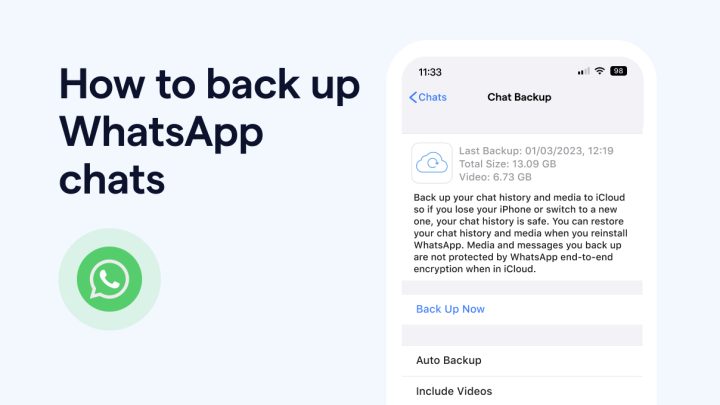
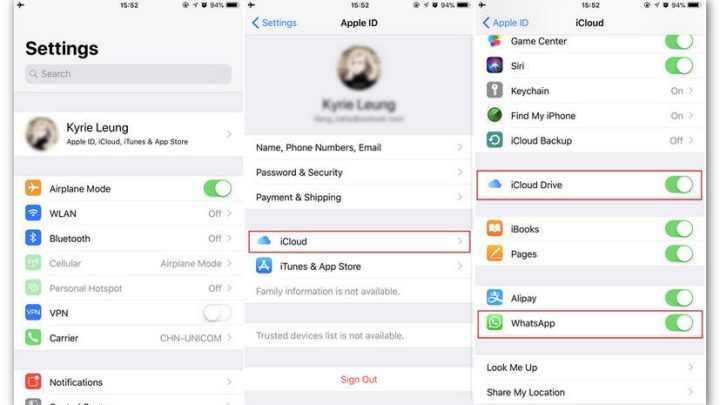
Backups help you recover your data if your device gets damaged or lost. Use iCloud or iTunes:- In Settings, select Apple ID > iCloud
- Tap iCloud Backup
- Enable Backup Now
In Summary
Protecting your money and photos on your iPhone is straightforward when you use the right settings. Securing your device with a strong passcode, enabling biometric authentication, activating two-factor authentication, and managing app permissions go a long way. Additionally, safeguarding your photos using hiding features and restrictions further enhances your privacy. Remember to keep your device updated, activate Find My iPhone, and be cautious about connecting to insecure networks. Taking these steps creates a secure environment where your personal information, money, and memories stay protected at all times.Frequently Asked Questions
How can I restrict access to my financial information on my iPhone?
Set up a passcode or Touch ID/Face ID to prevent unauthorized access. Additionally, enable Screen Time restrictions to limit access to banking or finance apps. This way, only authorized users can view sensitive financial data on your device.
What steps should I take to secure my photos from being viewed or shared without permission?
Use the built-in Photos app to hide sensitive images or move them to a secure folder in a third-party app with encryption features. You can also set permissions and enable two-factor authentication for your iCloud account to prevent unauthorized access to your backed-up photos.
How can I ensure my iPhone’s data is protected if I lose the device?
Activate Find My iPhone and enable Activation Lock to prevent others from using or erasing your device. Regularly update your software and use a strong password to add an extra layer of security in case your device falls into the wrong hands.
What privacy settings can I adjust to control app access to my money-related information?
Navigate to Settings > Privacy and review permissions granted to apps, such as access to Contacts, Photos, or Financial Data. Restrict permissions for apps that do not need access, and periodically audit these settings to maintain control over your information.
How can I use biometric security features effectively to protect my financial and personal data?
Enable Face ID or Touch ID for apps that handle sensitive data, like banking or wallet apps. This biometric security provides quick access while ensuring that only you can authorize transactions or view confidential information, adding an extra layer of protection.
Final Thoughts
Pour protéger votre argent et vos photos sur iPhone, configurez Face ID ou Touch ID pour un accès sécurisé. Activez la fonction “Find My” pour localiser ou verrouiller votre téléphone en cas de perte. Utilisez également la fonction de cache pour cacher vos photos sensibles dans l’application Photos. En ajustant ces paramètres, vous assurez une meilleure protection pour votre vie privée et vos finances. iPhone setting to protect money and photos devient ainsi une étape essentielle pour sécuriser vos données personnelles.
Similar Posts