How To Configure Iphone Setting Cellular For Better?
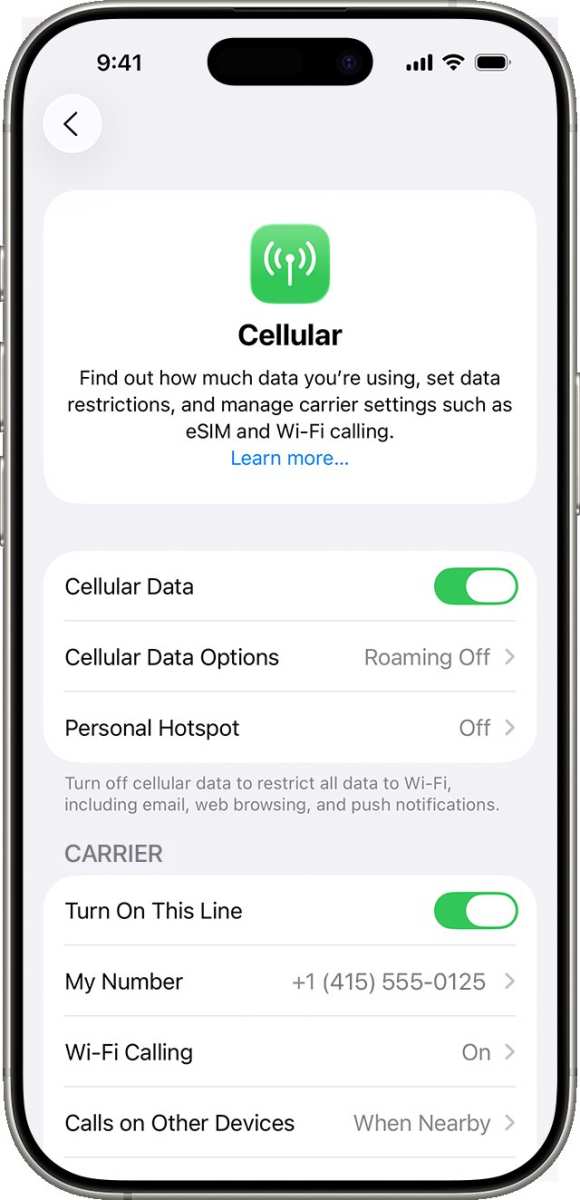

Guide to iPhone Setting Cellular: How to Manage Your Cellular Data and Connectivity
When you start exploring the settings on your iPhone, one of the most important areas is the cellular section. This part of your device controls how your iPhone connects to the internet through mobile data. Understanding how to set cellular options can help you stay connected, save data, and troubleshoot connectivity issues. Let’s walk through everything you need to know about iPhone setting cellular, including how to turn cellular data on or off, choose your network, manage data usage, and much more.Understanding the Basics of Cellular Settings on iPhone
Before diving into specific configurations, it’s helpful to understand what cellular settings do. When you enable cellular on your iPhone, it allows your device to access the internet using your cellular provider’s network. This is especially useful when Wi-Fi isn’t available or when you’re on the go. Here are some key points to keep in mind:- Cellular Data: This allows your iPhone to access mobile internet. Turning it off disables all internet access via cellular network.
- Cellular Data Options: You can choose to enable or disable data roaming, activate LTE or 5G, and control other aspects of data usage.
- Network Selection: Your iPhone can automatically choose the best network or manually select a specific carrier.
How to Turn Cellular Data On or Off
Starting with the basics, managing cellular data on your iPhone is straightforward. This feature is useful if you want to conserve data or troubleshoot connection problems.- Open the Settings app on your iPhone.
- Tap on Cellular.
- Find the switch labeled Cellular Data. To enable cellular internet, toggle it to the green position. To disable, switch it off.
Managing Data Roaming Settings
Data roaming allows your iPhone to connect to networks outside your primary carrier, usually when you travel internationally or in remote areas. It’s important to control this setting to avoid unexpected charges.- In Settings, go to Cellular.
- Tap on Cellular Data Options.
- Toggle Data Roaming on or off depending on your needs.
Choosing Between 4G LTE, 5G, or 3G
Your iPhone offers options to select the type of network it connects to, which can impact speed and battery life.How to Change Network Type
- Open Settings and select Cellular.
- Tap on Cellular Data Options.
- Select Voice & Data.
- Choose your preferred network, such as 5G On, 5G Auto, LTE, or 3G.
Managing Cellular Data Usage
If you have limited data, it’s smart to keep track of your usage and set restrictions.How to View and Monitor Data Usage
- Go to Settings and tap Cellular.
- Scroll down to see your data usage for the current period.
- Tap on Usage Statistics to see detailed information about how much data each app uses.
Setting Data Usage Limits and Alerts
While iPhones don’t have built-in data caps, you can use third-party apps or rely on your carrier’s app to set alerts or limits.Managing How Apps Use Cellular Data
Many apps can use cellular data, and you might not want all of them to connect all the time.Controlling App Data Usage
- In Settings, go to Cellular.
- Scroll down to the list of apps under Use Cellular Data For.
- Toggle the switch next to each app to allow or prevent it from using cellular data.
Enabling and Managing Personal Hotspot
If you want to share your cellular internet with other devices, your iPhone can act as a hotspot.How to Set Up Personal Hotspot
- Open Settings and select Cellular.
- Tap on Personal Hotspot.
- Switch it on, then set a Wi-Fi password.
Troubleshooting Common Cellular Connectivity Issues
Sometimes, your iPhone might have trouble connecting to the cellular network. Here are simple steps to fix common problems.Steps to Fix Connectivity Problems
- Toggle Airplane Mode on and off.
- Restart your iPhone.
- Ensure your carrier settings are up to date by going to Settings >General >About.
- If you’re in an area with poor reception, try moving to a better spot.
- Contact your carrier if problems persist, as there could be outages or account issues.
Best Practices for Managing Your iPhone Cellular Settings
To keep your device running smoothly and avoid unexpected charges:- Regularly review your data usage.
- Turn off cellular data when not needed, especially in Wi-Fi zones.
- Use Wi-Fi whenever available to save on data plan limits.
- Update your carrier settings after iOS updates for optimal connectivity.
Frequently Asked Questions
How can I enable or disable cellular data on my iPhone?
To turn cellular data on or off, go to Settings, then tap Cellular. Toggle the Cellular Data switch to enable or disable your mobile data connection. Doing this allows you to control when your device uses data for apps and services, helping you manage your data usage effectively.
What steps should I follow to select a preferred network type on my iPhone?
Navigate to Settings and tap Cellular, then select Cellular Data Options. Tap Voice & Data, and choose your preferred network type, such as 4G or 5G. This setting helps you optimize network performance and battery life based on your preferences and coverage.
How do I troubleshoot connectivity issues related to Cellular settings?
If you experience connectivity problems, first ensure that Cellular Data is enabled. Restart your iPhone to refresh network connections. You can also reset your network settings by going to Settings, then General, resetting, and selecting Reset Network Settings. This process clears saved network data, which often resolves common issues.
What should I do if my iPhone isn’t connecting to cellular networks after changing settings?
Check that your carrier settings are up to date by going to Settings > General > About. If an update is available, you’ll be prompted to install it. Ensure that your SIM card is properly inserted and active. Turning Airplane Mode on and off can also refresh network connections. If problems persist, contact your carrier for further assistance.
Final Thoughts
In summary, managing your iPhone settings cellular is straightforward once you understand the options available. Adjusting these settings helps improve connectivity and battery life. Ensuring your cellular data is optimized allows you to stay connected without unnecessary interruptions. Remember, accessing ‘iPhone setting cellular’ provides essential control over your network preferences for a smoother experience.
Similar Posts