Effective Iphone Setting Network Tips For Better
**To fix network issues on your iPhone, simply reset your network settings or toggle airplane mode.** If your iPhone setting network isn’t working properly, it can be frustrating and disrupt your day. Often, a quick restart or reconfiguring your network settings does the trick.
Understanding how to manage your network settings helps keep your device connected smoothly. Whether you’re troubleshooting or just setting up a new network, these tips keep your iPhone functioning seamlessly.

iPhone Setting Network: A Complete Guide to Managing Your Connection
Your iPhone’s ability to connect to cellular networks, Wi-Fi, and Bluetooth relies heavily on proper network settings. Whether you’re troubleshooting connection issues, trying to improve your internet speed, or setting up a new device, understanding how to manage your iPhone’s network settings is essential. This guide walks you through everything you need to know about iPhone network settings, breaking down each part in simple terms that everyone can follow.
Understanding iPhone Network Settings
Before diving into the detailed steps, let’s explore what network settings on your iPhone actually control. These settings help your device connect to the internet, make calls, send texts, and access various network services. The main components include:
- Cellular Data Settings: Control how your device uses mobile data, including enabling or disabling LTE, 3G, 4G, or 5G networks.
- Wi-Fi Settings: Manage your Wi-Fi connections, including selecting networks, forgetting old networks, and setting up auto-join options.
- Bluetooth Settings: Connect your iPhone to Bluetooth devices like headphones, speakers, or car systems.
- Personal Hotspot: Share your cellular data connection with other devices via Wi-Fi or Bluetooth.
- VPN Settings: Configure Virtual Private Network (VPN) profiles for secure internet browsing or work purposes.
How to Access and Adjust Network Settings on Your iPhone
Getting to your network settings is straightforward. Follow these steps on your iPhone:
- Open the Settings app from your home screen.
- Tap on Cellular for mobile network options.
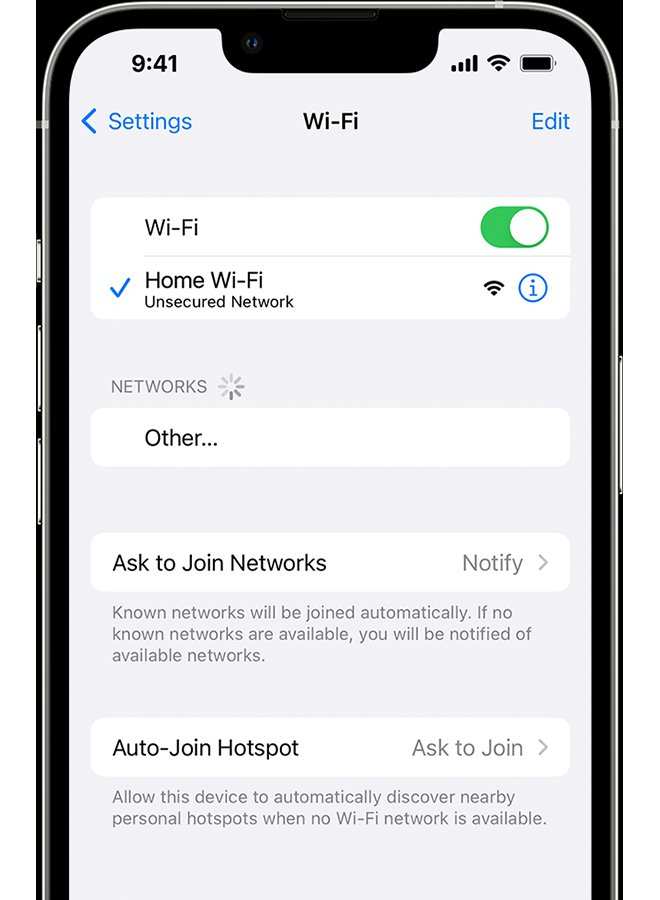
- Tap Wi-Fi to see available networks and manage your Wi-Fi settings.
- Access Bluetooth to pair new devices or view connected devices.
- Scroll down to find Personal Hotspot if you want to share your connection.
Each section offers specific controls that you can toggle on or off, change settings, or reset as needed. Let’s look at each area in more detail.
Managing Cellular Data Settings
Enabling or Disabling Cellular Data
If you find that your internet isn’t working, first check if cellular data is turned on:
- Go to Settings
- Select Cellular or Mobile Data
- Make sure the toggle next to Cellular Data is switched on
If it’s off, your iPhone won’t use your mobile network to access the internet. Turn it back on to restore connection.
Choosing Network Type
Depending on your carrier and location, you might want to select the best network type for speed and stability:
- Tap on Network Selection in the Cellular menu.
- Choose Automatic to let your iPhone select the best available network automatically.
- If you experience issues, switch to Manual and select a specific network from the list.
Enabling LTE, 3G, 4G, or 5G
To enhance your browsing experience, you may want to pick a specific network technology:
- From Cellular settings, tap on Cellular Data Options.
- Tap on Voice & Data.
- Select 5G On for the fastest connectivity if your region supports it.
- Choose LTE, 3G, or other options based on your needs or carrier recommendations.
Wi-Fi Settings and Troubleshooting
Connecting to Wi-Fi Networks
Proper Wi-Fi connection is critical for fast internet access. To connect:
- Open Settings
- Tap Wi-Fi
- Ensure Wi-Fi is turned on using the toggle at the top.
- Choose your network from the list of available options.
- Enter the password if prompted and tap Join.
Forget and Reconnect to Wi-Fi
If your connection isn’t stable:
- In Wi-Fi settings, tap the info icon (i) next to the network name.
- Select Forget This Network.
- Then, reconnect by selecting the network again and entering the password.
Reset Network Settings
When Wi-Fi issues persist, resetting network settings can help:
- Navigate to Settings
- Select General
- Tap Reset
- Choose Reset Network Settings
- You will need to re-enter Wi-Fi passwords afterward.
Bluetooth and Device Pairing
Connecting Bluetooth Devices
For seamless audio or accessory use, connect your Bluetooth devices:
- Open Settings
- Tap Bluetooth
- Turn on Bluetooth with the toggle.
- Wait for your device to appear under My Devices or Other Devices.
- Tap on the device name to pair, and if required, enter a PIN or confirm pairing.
Managing Connected Devices
To see which devices are connected or to disconnect:
- In Bluetooth settings, find the device.
- Tap the info icon (i) next to it.
- Choose to disconnect or forget the device as needed.
Using Personal Hotspot to Share Your Network
Sharing your cellular data connection can help other devices connect when Wi-Fi isn’t available. Here’s how:
- Go to Settings
- Select Personal Hotspot
- Toggle Allow Others to Join on
- Configure your Wi-Fi password for security
Once enabled, other devices can connect using your network name and password. Keep in mind that sharing your data consumes your cellular plan’s data bandwidth.
Configuring VPN Settings for Secure Connections
If you need to connect securely to a remote network, setting up a VPN helps protect your data. To configure:
- Open Settings
- Tap General
- Select VPN
- Choose Add VPN Configuration
- Follow the prompts to enter your VPN details provided by your organization or service provider.
Once configured, you can toggle the VPN on or off from the same menu or from the main Settings page.
Additional Tips for Optimizing Network Performance
- Keep your iPhone software updated: Updates often include improvements for network connectivity.
- Choose the nearest Wi-Fi network: Signal strength affects speed and stability.
- Limit background activity: Closing unnecessary apps helps conserve bandwidth.
- Reset network settings periodically: This can resolve persistent connectivity problems.
- Monitor your data plan: Heavy usage might slow down your speed if you have data caps.
Managing your network settings effectively allows you to enjoy a smoother connection experience. Whether you’re troubleshooting issues or just optimizing your setup, understanding each component helps you take control of your iPhone’s connectivity options.
Frequently Asked Questions
How can I reset my iPhone’s network settings to fix connectivity issues?
To reset your iPhone’s network settings, go to Settings > General > Transfer or Reset iPhone > Reset > Reset Network Settings. Confirm your choice and enter your passcode if prompted. This action will erase saved Wi-Fi networks, passwords, and cellular settings, so ensure you have any necessary information before proceeding.
What should I do if my iPhone is not detecting available Wi-Fi networks?
First, toggle Wi-Fi off and on again in Settings. If the issue persists, restart your device. Ensure airplane mode is turned off. You can also reset your network settings or update your iPhone to the latest iOS version. If the problem continues, try resetting your network settings or contacting your internet service provider for further assistance.
How can I manually configure my iPhone’s network settings for better performance?
Go to Settings > Cellular > Cellular Data Options to access settings like Data Mode and Roaming. For Wi-Fi, use Settings > Wi-Fi to select and join a specific network, then tap the ‘i’ icon next to the network for IP configuration, DNS, and other options. Adjust these settings based on your network requirements to optimize performance.
Is there a way to troubleshoot frequent disconnections from cellular networks?
Yes, start by toggling airplane mode on and off. Ensure your carrier settings are up to date by going to Settings > General > About. Remove and reinsert your SIM card if needed. Reset your network settings if disconnections persist. Contact your carrier for more specific network troubleshooting if issues continue.
Final Thoughts
In conclusion, understanding the intricacies of ‘iPhone setting network’ helps you troubleshoot and optimize your device efficiently. Adjusting network settings can resolve connectivity issues and improve performance. Regularly checking your network preferences ensures a smooth experience every time. Staying proactive with these settings saves time and keeps your iPhone running seamlessly.

Similar Posts