How To Protect Your Macbook With A Strong Password?
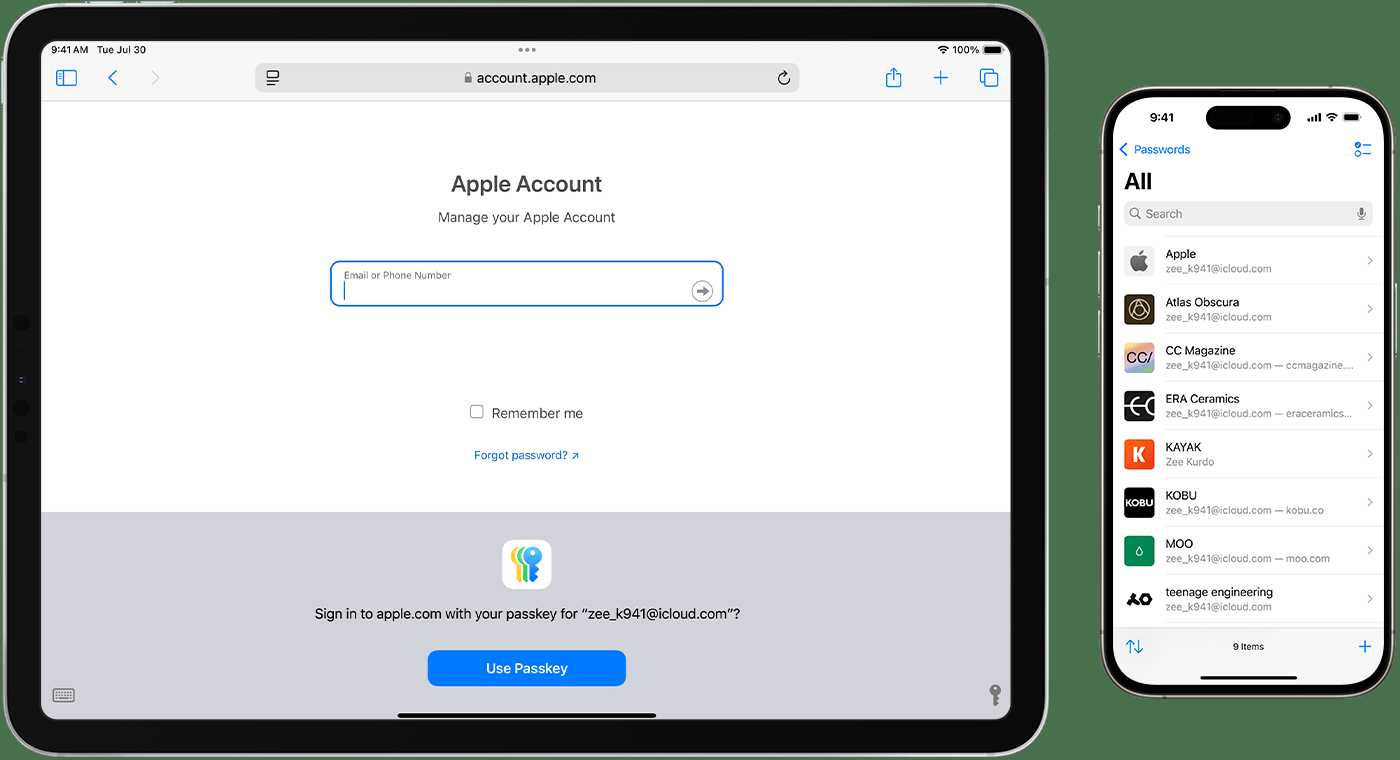

How to Protect Your MacBook with a Strong Password
Understanding Why a Strong Password Matters
A strong password keeps your MacBook safe from unauthorized access. It prevents strangers from viewing your private files or using your device without permission. Since your Mac contains personal pictures, emails, and work documents, protecting it is essential.What Makes a Password Strong?
A strong password has several key qualities. It is long, complex, and unpredictable. It avoids common words or patterns that hackers can guess easily. Using a mix of uppercase and lowercase letters, numbers, and special symbols enhances security.Creating a Perfect Password
- Use at least twelve characters for better protection.
- Combine different types of characters, such as symbols, numbers, and letters.
- Avoid using easily guessable information like your birthdate or names.
- Choose a password that is memorable but not obvious to others.
Utilizing Password Managers
Password managers can generate random, highly secure passwords for you. They store all your passwords safely in an encrypted vault. This way, you only need to remember one strong master password.Popular Password Managers for MacBook Users
- LastPass
- 1Password
- Dashlane
- Bitwarden
Enabling Password Protection on Your MacBook
Securing your MacBook starts with setting up a password to log in. Follow these steps:- Click the Apple menu and select “System Preferences.”
- Choose “Users & Groups.”
- Select your user account and click “Change Password.”
- Enter your current password, then create a new, strong password.
- Confirm your new password and save the changes.
Enabling Automatic Lock and Require Password
Automatic locking helps protect your Mac when you’re away. To set this up:Set Up Screen Lock
- Go to “System Preferences” and click on “Security & Privacy.”
- Select the “General” tab.
- Check the box next to “Require password after sleep or screen saver begins.”
- Choose a short time interval, such as “immediately.”
Using Touch ID and Face ID for Additional Security
If your MacBook supports Touch ID or Face ID, enable these features for quick, secure access. They reduce reliance on passwords while maintaining safety.Enabling Touch ID
- Open “System Preferences” and click “Touch ID.”
- Follow the prompts to add your fingerprint.
Regularly Updating Your Password
Changing your password periodically reduces the risk of compromise. Set reminders to update your password every few months. Also, avoid reusing passwords across different accounts.Additional Security Tips for MacBook Protection
Besides a strong password, consider the following tips:- Enable FileVault to encrypt your hard drive.
- Set up two-factor authentication for your Apple ID.
- Keep your macOS updated to patch security vulnerabilities.
- Avoid sharing your password with others.
- Be cautious when using public Wi-Fi; consider a VPN for added security.
Understanding the Importance of Regular Backup
Backing up your data regularly ensures that even if your MacBook is compromised, your information remains safe. Use Time Machine or cloud services to keep copies of your files. Choosing a strong password is a vital part of protecting your MacBook from threats. Combine a complex, unique password with additional security features like automatic lock, biometric authentication, and encryption. Regular updates and good security habits will help safeguard your device and personal information effectively.How to Secure Your Mac with a Strong Password
Frequently Asked Questions
What are effective methods to create a strong password for your MacBook?
To craft a strong password, combine uppercase and lowercase letters, numbers, and special characters. Avoid using common words or personal details like your name or birthdate. Aim for a password that is at least 12 characters long, making it harder for others to guess. Consider using a passphrase—a sequence of random words or a meaningful sentence that’s easy for you to remember but difficult for others to crack.
How can I ensure my password remains secure over time?
Regularly update your password to minimize the risk of unauthorized access. Avoid reusing passwords across multiple accounts. Use a password manager to securely store and generate unique passwords for different services. Enable two-factor authentication whenever possible to add an extra layer of security beyond just your password.
What settings should I enable on my MacBook to enforce password complexity?
Access the Security & Privacy settings in System Preferences to set requirements for password complexity. Activate the option that mandates a strong password and set a minimum length. You can also enable automatic lock after a period of inactivity to protect your data if you leave your MacBook unattended. These settings help ensure your password meets security standards and reduces the risk of unauthorized access.
Why is it important to avoid common or easily guessable passwords?
Common passwords or simple sequences are easy for hackers to guess or crack using automated tools. Using unique and complex passwords helps protect your personal information and sensitive data. Avoiding predictable passwords significantly reduces the chances of unauthorized access to your MacBook and associated accounts.
Can setting up biometric authentication replace the need for a strong password?
Biometric authentication, such as Touch ID or Face ID, offers convenient access but should not replace a strong password entirely. Always keep a complex password as a fallback in case biometric options fail or are unavailable. Combining biometric data with a secure password enhances overall security for your MacBook.
Final Thoughts
Protecting your MacBook with a strong password is essential for securing your data. Use a combination of upper and lower case letters, numbers, and special characters to create a complex password. Avoid common words or easily guessable information. Update your password regularly to prevent unauthorized access. Enable two-factor authentication for added security. Remember, a strong password is your first line of defense against potential threats.
Similar Posts