How To Make Space On Android: Simple Tips To Free Storage
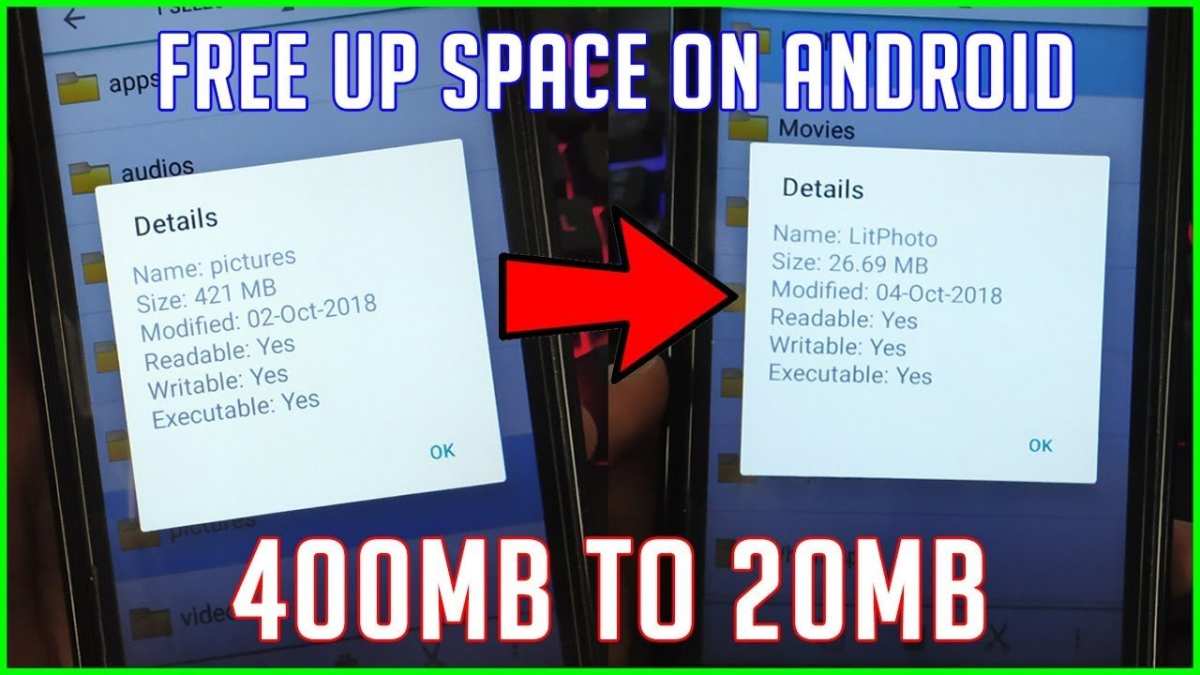

How to Make Space on Android
Maintaining enough storage on your Android device helps it run smoothly and keeps your apps, photos, and files accessible. Over time, your phone can get cluttered with unnecessary data, making it slow or unusable. Fortunately, there are several simple and effective ways to free up space on your Android device. In this guide, we’ll explore various methods to clear out clutter, optimize storage, and make your device feel new again.Understanding Your Android Storage
Before diving into cleaning techniques, it’s helpful to understand how your Android device uses storage. Your phone’s memory is divided into different categories:- Apps and App Data: Includes all the applications you install and their associated data.
- Photos and Videos: All your visual memories stored locally or in the cloud.
- Downloads: Files you’ve downloaded from the internet or received via messages.
- Cached Data: Temporary files created by apps to speed up processes.
- System Files: Essential files needed for Android to operate.
Checking Storage on Your Android Device
To find out what is taking up space:- Open the Settings app on your device.
- Scroll down and tap on Storage or Device Care (varies by device).
- Review what categories consume most of your space, such as apps, pictures, or other files.
Deleting Unnecessary Apps and App Data
Apps are often one of the biggest consumers of storage, especially if you have many unused or rarely used apps.How to Remove Unused Apps
- In Settings, select Apps or Applications & Notifications.
- Browse the list and identify apps you no longer use.
- Tap on an app, then choose Uninstall.
Clearing App Cache and Data
Most apps store temporary data that can be safely deleted:- In Apps, select the app.
- Tap on Storage.
- Click Clear Cache to free temporary files.
- If necessary, select Clear Data (note: this resets the app to a fresh state).
Managing Photos and Videos
Photos and videos often take up the most space over time. Here’s how to handle them:Backing Up and Removing Files
- Use cloud services like Google Photos, Dropbox, or OneDrive to back up your media files.
- Once backed up, delete local copies to free space.
Using Built-in Gallery Tools
Many Android phones have options to identify duplicate or blurry photos:- Open your Gallery or Photos app.
- Use the “Clean-up” or “Free up space” feature if available.
- Select unnecessary images and delete them.
Organizing Media Files
Organize your photos into albums and delete duplicates regularly to prevent clutter.Managing Downloads and Files
The Downloads folder often accumulates files you no longer need:- Open your File Manager app.
- Navigate to the Downloads folder.
- Review files and delete those you no longer need.
Using Storage Optimization Tools
Android devices often include built-in features to help you free up space automatically:Device Care or Storage Manager
- Go to Settings.
- Select Device Care or Storage.
- Tap on Optimize or Free Up Space.
Removing Old Messages and Call Logs
Messages, especially multimedia messages, can consume significant space:- Open your messaging app.
- Delete old or unnecessary conversations.
- Remove media files attached to messages.
Using Cloud Storage to Save Space
Cloud services help you store files remotely, freeing local storage:- Upload photos, videos, and documents to services like Google Drive, Dropbox, or OneDrive.
- After confirming uploads, delete local copies from your device.
Resetting Your Device as a Last Resort
If your storage is severely overwhelmed and other methods haven’t helped, consider a factory reset:- Back up all your important data.
- Go to Settings, select System, then Reset options.
- Choose Erase all data (factory reset).
Preventing Storage Bumps in the Future
To keep your Android device running smoothly:- Regularly clean out apps, media, and downloads.
- Set up automatic backups for photos and videos.
- Use cloud storage to offload large files.
- Monitor your storage periodically through device settings.
Summary
Clearing space on your Android device involves understanding what takes up the most room and taking targeted actions. Removing unused apps, deleting old media and files, leveraging cloud storage, and using built-in tools are all effective strategies. Regular maintenance ensures your device stays fast, responsive, and clutter-free. Remember, small steps like cleaning cache or deleting unnecessary photos can make a big difference over time, keeping your Android device running smoothly and efficiently.Frequently Asked Questions
How can I identify which apps are taking up the most space on my Android device?
Go to your device’s Settings, then tap on Storage. Here, you’ll see a breakdown of how much space each app consumes. You can sort the list to find the largest apps and decide whether to clear their cache or uninstall unused ones to free up space.
What steps can I take to remove unnecessary files and media from my Android phone?
Access your Files app or use a file manager to browse through your downloads, screenshots, and music folders. Delete files you no longer need, such as old downloads or duplicate images. Additionally, empty your device’s trash or recycle bin if available to fully remove deleted data.
Are there specific settings or options to manage cached data on Android?
Yes, within Settings, navigate to Storage, then tap on Cached data. You can clear cached data for all apps at once or go into individual app settings to clear cache for specific applications. Regularly clearing cache helps free up space without affecting your app data.
How can I use cloud storage to free up space on my Android device?
Use cloud services like Google Drive, Dropbox, or OneDrive to upload photos, videos, and documents. After uploading, delete the local copies from your device to free up storage. Many cloud apps also offer automatic backup options to keep your files safe while saving space.
Is it possible to move apps or data to an SD card on Android devices?
Most Android devices allow you to transfer supported apps and media files to an SD card. To do this, go to Settings > Apps, select the app you want to move, and tap on ‘Move to SD card’ if the option is available. Moving files and apps reduces internal storage usage and boosts available space.
Final Thoughts
To make space on Android, start by deleting unnecessary apps and clear app cache. Use built-in storage tools to identify large files and remove them. Transfer photos and videos to cloud storage or an SD card to free up internal space. Regularly managing your data will keep your device running smoothly and prevent storage issues.
Similar Posts