How To Make Space On An Android Phone For Better Performance

How to Make Space on an Android Phone
When your Android phone shows that it’s running low on storage, it can be frustrating. You might notice your phone slowing down, apps crashing, or you may not be able to take new pictures or download new files. But don’t worry — there are simple steps you can follow to free up space and keep your device running smoothly. In this guide, we will explore various effective ways to make space on your Android phone. From cleaning up unnecessary files to managing apps efficiently, this comprehensive advice will help you maximize your device’s storage.Understanding Your Storage Usage
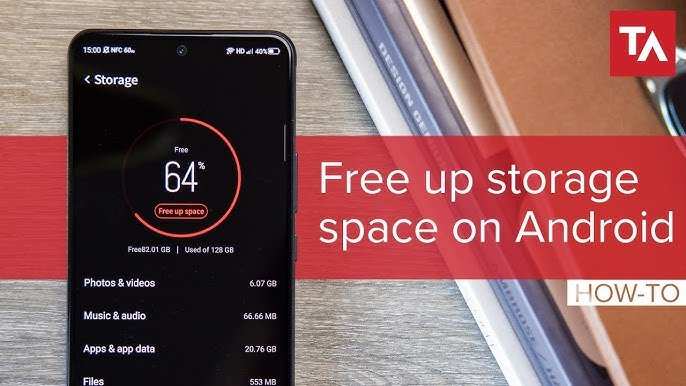
Before diving into cleanup methods, it helps to know what is taking up space on your device. Android phones have built-in tools that let you see how much storage is used and by what.Checking Storage in Settings
To find out what’s occupying your phone’s memory:- Open the Settings app on your Android device.
- Scroll down and tap on Storage.
- You will see a visual breakdown of your storage, including categories like Apps, Pictures, Videos, Audio, Files, and Cached Data.
Using Storage Analyzing Apps
If your device doesn’t give detailed info or if you want a deeper analysis:- Download a trusted storage management app like Files by Google or CCleaner.
- Open the app and allow necessary permissions.
- Use the app’s features to scan and find unnecessary files, duplicate photos, or large apps.
Cleaning Up Unnecessary Files and Data
Once you’re aware of storage hogs, start clearing out files that no longer serve a purpose. This step is usually quick and can free up significant space.Removing Cached Data
Cached data are temporary files stored to make apps load faster, but over time, they can accumulate and take up a lot of space.- Go to Settings.
- Select Storage.
- Tap on Cached Data.
- Confirm to clear cached data for all apps at once or for individual apps.
Deleting Unnecessary Files and Downloads
Your Downloads folder often contains files you no longer need:- Open the My Files or File Manager app.
- Navigate to Downloads.
- Review the files and delete what is unnecessary.
Removing Duplicate and Large Files
Duplicate photos, videos, or large files can consume a lot of storage:- Use storage cleaning apps like Files by Google, which can identify duplicate files.
- Review large files listed in your file manager or app to see if any can be deleted or transferred.
Managing Apps to Free Up Storage
Apps can take up significant storage, especially if they include many files or cached data. Managing your apps wisely helps you keep your storage in check.Uninstall Unused Apps
Many smartphones have apps that are rarely used but still occupy space.- Go to Settings.
- Select Apps & Notifications.
- Review your installed apps.
- Uninstall apps you no longer need by tapping on them and selecting Uninstall.
Clear App Cache and Data
For apps you want to keep but want to free up space:- Open Settings.
- Tap on Apps & Notifications.
- Select the specific app.
- Tap on Storage & Cache.
- Tap Clear Cache to remove temporary files.
- Use Clear Storage or Clear Data only if you want to reset the app and you’re okay with losing saved information.
Moving Apps to External Storage
If your device supports SD cards:- Navigate to Settings.
- Go to Apps & Notifications.
- Select the app you want to move.
- Tap Storage.
- If available, select Change or Move to SD Card.
Using Cloud Storage Solutions
Cloud services offer an excellent way to save space on your device by storing files online.Popular Cloud Services
- Google Photos: Back up all your photos and videos automatically.
- Google Drive: Store documents, PDFs, and other files.
- Dropbox: Use for larger files or if you collaborate with others.
How to Use Cloud Storage Effectively
- Install the cloud app of your choice and set it up with your account.
- Enable automatic backup features for photos and videos.
- Move files from your device to the cloud to free up space.
- Regularly check your cloud storage to delete old or unnecessary files.
Enabling Storage Management Features
Many Android phones have built-in features to help you keep storage under control.Smart Storage Settings
- Go to Settings.
- Select Device Care or Device Maintenance.
- Tap on Storage.
- Enable Smart Storage if available.
Using Files by Google for Cleanup
This app offers an easy way to tidy up your storage:- Download and install Files by Google.
- Open the app and run the scan.
- Review suggested cleanups, including junk files, duplicates, or large files.
- Delete files directly from the app, freeing space quickly.
Preventative Steps to Manage Storage
To keep your Android device running smoothly in the long run, adopt small habits that prevent storage issues.Regular Cleanup Routine
Make it a habit to:- Check storage weekly or bi-weekly.
- Remove unused apps and files.
- Clear cache regularly.
Stay Organized with Folders
Creating folders for photos, videos, documents, and downloads helps keep track of files and makes cleanup easier.Limit Downloads and Media Storage
Be conscious of the quantity of media and downloads you save, especially large videos or high-resolution photos. Consider backing up vital files to cloud and deleting local copies.Additional Tips for Making Space on Android
Here are some quick extra tips:- Disable auto-download for social media apps to prevent unwanted media downloads.
- Use streaming services instead of downloading large media files when possible.
- Remove old text messages, especially those with media attachments.
- Stay aware of app updates that may increase storage requirements.
Frequently Asked Questions
What steps can I take to clear cache data on my Android device?
Navigate to your device’s Settings menu and select Storage. Tap on Cached Data, then confirm to clear cached files. This process frees up space by removing temporary files stored by apps, which often accumulate over time and take up significant storage.
How can I delete unused apps to free up space effectively?
Open the Settings app and go to Apps or Applications. Review the list of installed apps and identify those you no longer use. Tap on each app and select Uninstall to remove them from your device, which restores storage and can improve performance.
What is the best way to manage media files like photos and videos on my Android?
Transfer your media files to an external SD card or a computer to free up internal storage. Consider deleting duplicates or files you no longer need directly from your Gallery or File Manager app. Regularly reviewing and organizing media helps maintain available space.
How can I utilize cloud storage to create more space on my Android phone?
Upload photos, videos, and documents to cloud services such as Google Drive or Dropbox. Once uploaded, delete local copies from your device to free up space. Using cloud storage ensures your files remain accessible while freeing up device storage.
Are there any built-in tools on Android that help optimize storage?
Yes, many Android devices include a Storage Management feature within Settings. This tool provides recommendations like removing large files, unused apps, or old downloads. Use these suggestions to efficiently clear space without manually searching for files.
Final Thoughts
To make space on an android phone, start by deleting unnecessary apps and clearing cache files. Transfer photos and videos to cloud storage or an external device to free up internal space. Regularly review your storage and remove unused files to keep your device running smoothly.
Similar Posts