How To Make Space On Android Internal Memory Effectively

How to Make Space on Android Internal Memory
When your Android device starts running slow or shows a warning that your storage is full, it’s time to find ways to create more space. Over time, your Android’s internal memory can fill up with photos, videos, apps, and other files, making your device sluggish and less efficient. Luckily, there are many simple and effective methods to free up space on your Android’s internal memory, helping it run smoothly again. In this guide, we will explore practical tips and detailed steps to clear space, manage your files better, and optimize your device’s storage.Understanding What Takes Up Storage on Your Android Device
Before diving into cleanup tips, it’s helpful to know what types of files and data consume storage space the most. Usually, your internal memory houses:- Apps and their data: Apps store information, cache, and sometimes large files like documents or media within their folders.
- Photos and videos: High-resolution images and videos quickly fill up storage, especially when linked to camera apps or social media.
- Downloads: Files downloaded from the internet or via messaging apps can pile up unnoticed.
- Cached data: Temporary files from apps that are stored to speed up processes but can build up over time.
- Messages and attachments: SMS, MMS, and chat app media can take up significant space if not managed.
- Other files: Documents, music, and miscellaneous files stored in internal memory.
How to Check Your Storage Usage Effectively
Knowing what consumes your storage helps prioritize what to delete or move. Here’s how to check your storage:Using Settings Menu
- Open Settings on your Android device.
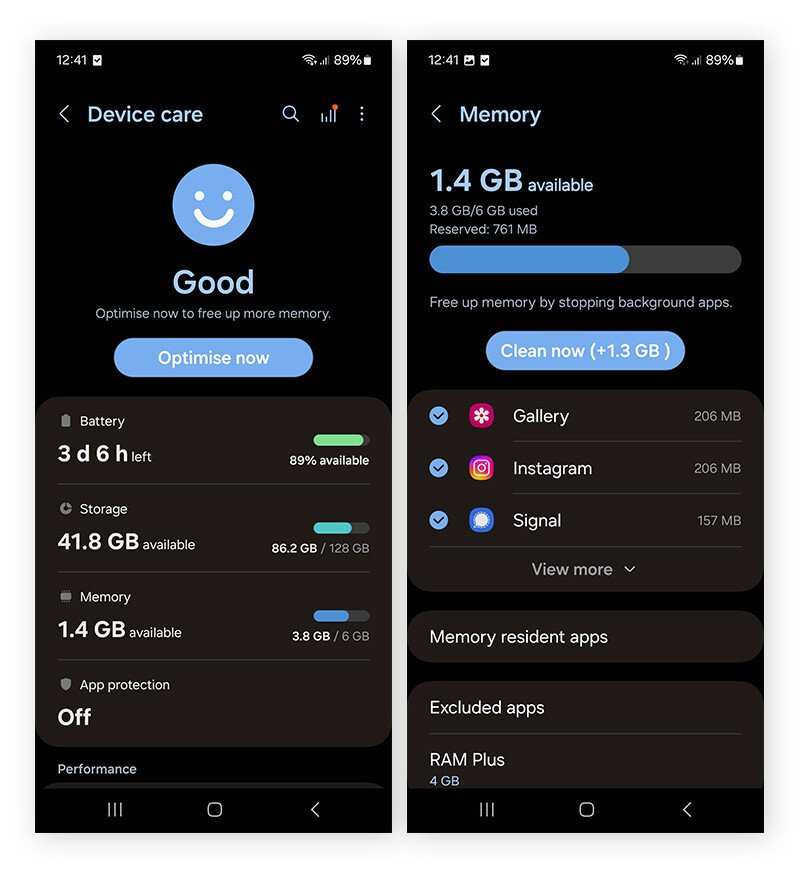
- Select Storage or Device care depending on your Android version.
- Review the storage breakdown. You will see categories like Apps, Photos, Videos, Documents, and Cached Data.
Using File Manager Apps
Many Android devices come with built-in file managers, or you can download third-party apps like Files by Google or Solid Explorer.- Open the file manager app.
- Navigate to internal storage.
- Sort files by size to identify large files.
- Delete or move unnecessary files to free space.
Practical Ways to Free Up Space on Android Internal Memory
Now that you know what’s taking up space, let’s explore effective methods to clear your storage.Remove Unnecessary Apps and Games
Apps are often the biggest storage hogs. Many users install apps they rarely use, which can be safely deleted to free space.- Go to Settings > Apps & Notifications > See all apps.
- Scroll through the list and identify apps you no longer need.
- Tap on the app and select Uninstall.
- Repeat this for multiple apps to reclaim significant space.
Clear Cache Data
Cache files are temporary files stored by apps to load faster. Over time, cache can accumulate and occupy a lot of space.- Navigate to Settings > Storage.
- Tap on Cached Data or individual apps to clear cache.
- Select Clear Cache.
Delete Old Photos, Videos, and Downloads
Photos and videos take up the most space in personal media.- Review your gallery and delete blurry or unwanted photos.
- Use cloud services like Google Photos or OneDrive to back up media before deleting from internal storage.
- Check your Downloads folder and remove files you no longer need.
Use Cloud Storage Solutions
Storing files on cloud platforms is a great way to free space while keeping your important files accessible.- Google Drive, Dropbox, and OneDrive offer free storage options.
- Upload large files or media to the cloud.
- Delete local copies after successful upload to free up space.
Optimize Your Files and Media
Compress large files and images to reduce their size without losing quality.- Use photo compression apps or built-in features to reduce photo sizes.
- Convert videos to lower resolutions if high quality is not necessary.
- Use file compression tools for documents and other large files.
Manage App Data and Preferences
Some apps store a lot of data over time, especially messaging apps like WhatsApp or Messenger.- Open the app’s settings and delete old chats or media files.
- If the app allows, limit media downloads to Wi-Fi only to prevent unnecessary data storage.
Use Storage Management Features and Cleaning Tools
Modern Android devices offer built-in tools for cleaning storage.- Go to Settings > Storage or Device Care.
- Use the Cleanup or Free Up Space options.
- Follow on-screen instructions to delete junk files, residual files, and app cache.
Best Practices for Maintaining Sufficient Storage
To keep your Android device running smoothly over time, develop good habits:- Regularly check your storage and delete unused apps or files.
- Set up automatic backups for photos and videos.
- Be cautious when downloading files and apps—only keep what you need.
- Clear cache periodically for apps that you use frequently.
- Use cloud storage for media and documents to save local space.
Tips for Managing Storage on Different Android Devices
Different Android devices may have unique storage management options:Samsung Devices
- Use Samsung’s Built-in Device Care feature for quick cleaning options.
- Utilize the Smart Manager app to monitor and free up storage.
Google Pixel Devices
- Take advantage of the ‘Free up space’ feature in Settings > Storage.
- Use Google Photos’ “High quality” backup setting to save space.
Other Android Devices
- Check your device’s specific storage management options via Settings.
- Install third-party cleanup apps that are compatible with your device.
Frequently Asked Questions
What are some effective ways to identify large files on my Android device?
To find large files consuming your internal storage, use a file manager app to scan your device. Many Android devices include a built-in storage analysis tool that displays files sorted by size. You can also install third-party apps like Files by Google, which help identify and delete large or unused files, freeing up valuable space quickly.
How can I clear app caches to free up space on my Android?
Go to your device’s Settings, then navigate to Apps or Application Manager. Select individual apps and tap on the Storage option. Here, you’ll see the option to clear cache, which removes temporary data that apps store to speed up performance but often accumulate over time. Clearing caches regularly helps free up storage without deleting any personal data.
What steps should I take to remove unused apps from my Android device?
Review your list of installed apps and uninstall those you no longer use. To do this, open Settings, select Apps, then choose the app you want to remove. Tap Uninstall and confirm. Removing apps not only frees up their storage space but also can improve your device’s performance and battery life.
Are there any automated tools or settings to help maintain free space on my device?
Yes, Android offers features like Smart Storage, which automatically deletes backed-up photos and videos after a set period, freeing up space. Additionally, you can enable storage management suggestions in Settings that prompt you when it’s time to clear out unnecessary files. Using these tools regularly keeps your device’s internal memory optimized.
How does transferring files to external storage help in managing internal memory?
Moving photos, videos, and documents to an SD card or external storage device frees up internal memory, allowing your device to run faster and store more data. Use the file manager or gallery app to select files and choose the option to move or copy them to external storage. This process helps maintain a smooth user experience without deleting valuable data.
Final Thoughts
To make space on Android internal memory, start by deleting unused apps and clearing app cache. Move photos, videos, and files to external storage or cloud services to free up space. Regularly review your storage to identify large files and unnecessary data. By following these steps, you can efficiently manage your device’s storage and optimize its performance.
Similar Posts