How To Fix External Display Not Detected On Macbook

If your external display isn’t showing up on your MacBook, don’t panic—there’s usually a straightforward fix. The key is to check your connections, restart your devices, and ensure your display settings are correctly configured. Often, simple troubleshooting steps can resolve the issue without the need for technical support.
To quickly fix an external display not being detected on your MacBook, start by verifying all cables and adapters are securely connected and compatible. Restart both your MacBook and the external monitor. If needed, reset your Mac’s SMC and NVRAM, update your macOS, or try connecting the display to another device to identify potential hardware problems. These steps often resolve detection issues and get your external monitor working again.
When your MacBook fails to recognize an external display, it can be frustrating, especially if you’re trying to extend your workspace or use a larger screen. Usually, the problem stems from connection issues, outdated software, or system settings. Before jumping to complex solutions, ensure your cables are intact, the display is powered on, and your Mac’s software is up to date. Sometimes, a simple restart or resetting your Mac’s hardware settings can do the trick. In this guide, we’ll explore easy and effective methods to troubleshoot and fix the external display detection problem, helping you get back to working or gaming smoothly with your external monitor.

How to fix external display not detected on MacBook
Understanding Why Your MacBook Doesn’t Detect an External Display
Before diving into solutions, it’s helpful to know why your MacBook might not recognize an external monitor. Often, issues stem from simple hardware or software problems. Common causes include faulty cables, loose connections, outdated software, or compatibility issues between devices. Recognizing these causes can make troubleshooting more effective.
Check Your Hardware Connections
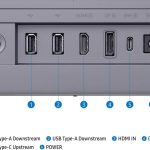
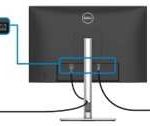
The first step in fixing this issue is examining your physical connections. Ensure that your cable is properly plugged into both your MacBook and the external monitor. Sometimes, cables can become loose or damaged, preventing proper detection. Also, verify that the port on your MacBook and monitor are clean from dust or debris, which can interfere with connections.
Test Different Cables and Ports
If your connections seem fine but the display still isn’t detected, try using a different cable. Some cables may be defective or incompatible. Also, try connecting to another port on your MacBook if available. This helps rule out port-specific issues that could be causing detection failures.
Inspect the External Display
Make sure the external monitor is powered on and set to the correct input source. Sometimes, monitors default to a different input, so manually selecting HDMI, DisplayPort, or other connections is essential. Additionally, test the monitor with another device to verify it works properly.
Update Software and Firmware
Software issues are common culprits for external display detection problems. Ensure your MacBook is running the latest version of macOS, as updates often include bug fixes and improved hardware support.
Check for macOS Updates
Go to System Preferences and click on Software Update. If an update is available, install it to ensure compatibility and fix known bugs. Updating firmware on your monitor may also help if the manufacturer provides software updates.
Reset NVRAM and SMC
Resetting your Mac’s NVRAM (non-volatile random-access memory) and SMC (system management controller) can resolve hardware detection issues. For NVRAM reset, shut down your Mac, then turn it on and hold Option, Command, P, and R keys simultaneously for about 20 seconds. For SMC reset, follow the specific instructions for your MacBook model.
Adjust Display Settings on Your MacBook
Sometimes, your Mac doesn’t automatically detect the external display because settings need to be adjusted manually.
Use the Display Preferences
Open System Preferences and select Displays. Hold the Option key to reveal the Detect Displays button, then click it. This prompts your Mac to scan for connected monitors again.
Check for Mirroring or Extended Desktop Settings
In the Displays menu, ensure that your display is configured correctly—either as a mirror of your MacBook screen or as an extended desktop. Sometimes, changing these settings can prompt recognition.
troubleshooting Compatibility and Hardware Issues
Compatibility problems can arise with certain cables, adapters, or monitors that aren’t fully compatible with your MacBook.
Verify Compatibility of Cables and Adapters
Check that your cable or adapter supports your MacBook model and the monitor type. For example, some USB-C to HDMI adapters may require specific drivers or firmware updates.
Test on Different Devices
Connect your MacBook to a different external monitor or connect the problematic monitor to another Mac or PC. This helps identify whether the issue is with the Mac, the monitor, or the cables.
Additional Troubleshooting Tips
If the above steps haven’t resolved the problem, consider these additional tips.
Disable and Re-enable External Displays
Unplug the external monitor, restart your MacBook, then reconnect the display. Sometimes a simple reconnect can restore recognition.
Boot into Safe Mode
Starting your Mac in Safe Mode can fix software conflicts. Shut down your Mac, then turn it on while holding the Shift key until the login screen appears. Test the display connection in Safe Mode.
Use Terminal Commands for Advanced Troubleshooting
Advanced users can utilize Terminal commands like ‘sudo displayplacer list’ to check display configurations or reset display arrangements. Remember to proceed carefully and back up your data.
When to Seek Professional Help
If none of these solutions work, it might be time to contact Apple Support or visit an Apple Store. Hardware issues like a damaged port or faulty GPU may require professional diagnosis and repair.
Contact Apple Support
Visit the official Apple support website or schedule an appointment at a Genius Bar for expert assistance. They can run diagnostic tests to identify underlying hardware problems.
Consider Repair or Replacement
If your MacBook has hardware damage related to the display port or graphics card, repair or replacement may be necessary. Protect your investment by consulting authorized technicians.
Preventative Measures to Avoid Future Detection Issues
Keeping your MacBook and accessories in good condition can prevent detection problems. Regularly update software, avoid using faulty cables, and handle hardware carefully to prolong device lifespan.
Regular Software Updates
Set your MacBook to automatically install updates to minimize bugs that affect external display detection.
Use Quality Cables and Adapters
Invest in certified cables and adapters compatible with your MacBook model to ensure reliable connections.
Handle Hardware Carefully
Avoid bending cables sharply or applying excessive force to ports, which can damage internal components.
Keep Your MacBook Clean
Dust and debris can interfere with ports and connections. Clean ports gently with compressed air periodically.
Related Topics to Explore
For further help, consider exploring topics like troubleshooting MacBook display issues, connecting external devices to MacBook, and upgrading hardware components for better compatibility. These can help maintain the overall health of your MacBook and related peripherals.
This comprehensive guide should give you clear steps and useful tips on fixing the ‘external display not detected’ issue on your MacBook. Always start with basic checks and gradually move to more advanced solutions if needed. Patience and careful troubleshooting are key to resolving this common problem effectively.
How to Fix External Monitor Not Working on Mac | Second Display Not Working
Frequently Asked Questions
What steps can I take if my MacBook isn’t recognizing an external display after connecting?
First, ensure that the cable and adapters are securely connected and compatible with your MacBook. Restart your MacBook and the external display to refresh the connection. Check your display settings by navigating to System Preferences > Displays and see if the external monitor appears. You can also try pressing the Option key while clicking the ‘Detect Displays’ button in the Displays menu to prompt your Mac to recognize the monitor. If issues persist, try connecting the external display to another device to verify the hardware isn’t faulty.
How can I adjust display settings to fix issues with an external monitor not showing up?
Open System Preferences and select Displays. Hold down the Option key and click on ‘Detect Displays’ if the external monitor isn’t detected automatically. Once detected, customize the resolution, refresh rate, or arrangement to ensure your Mac recognizes the display accurately. Confirm that the display is set to extend or mirror mode according to your preference. Sometimes, resetting display configurations can resolve recognition issues.
What hardware troubleshooting methods can resolve external display detection problems on a MacBook?
Check all physical connections to confirm they are secure and undamaged. Inspect the cable and adapters for any signs of wear or damage and replace if necessary. Connect the external display to another Mac or device to verify it’s functioning properly. If you recently updated your macOS, ensure all firmware updates are installed, as they can impact hardware compatibility. Resetting the NVRAM or PRAM on your Mac can also resolve detection issues by clearing temporary hardware settings.
Final Thoughts
Pour résoudre le problème d’un affichage externe non détecté sur MacBook, commencez par vérifier les câbles et les connexions. Assurez-vous que le moniteur est allumé et sélectionné comme source d’entrée. Redémarrez votre MacBook et le moniteur pour réinitialiser la connexion.
Mettez à jour macOS et les pilotes graphiques pour garantir la compatibilité. Essayez également de détecter manuellement l’écran dans les préférences système. En suivant ces étapes, vous pouvez facilement corriger le problème d’affichage externe non détecté sur MacBook.

Similar Posts