How To Delete Unused Apps And Files Regularly For Better?

How to delete unused apps and files regularly
Why Removing Unused Apps and Files Matters
Keeping your device free of unused apps and files helps it run smoothly. When unnecessary data piles up, it can slow down your device and take up precious storage space. Regular cleanup ensures your device stays fast and organized, saving you time and frustration.Benefits of Regularly Deleting Unused Apps and Files
Deleting unused apps and files boosts your device’s performance and extends its lifespan. It also helps protect your privacy by removing apps and data you no longer need. Plus, freeing storage space means you can download new apps or save important files without worry.How Often Should You Clean Your Device?
Most experts recommend cleaning your device once a month. If you tend to download many apps or create large files regularly, consider doing it more often. Regular maintenance prevents clutter from building up and keeps your device in top shape.How to Identify Unused Apps and Files
Checking your app list regularly helps spot apps you no longer use. Look for apps you haven’t opened in months or those you rarely need. In addition, review your files and photos to delete duplicates or outdated data that no longer serves a purpose.Steps to Uninstall Unused Apps
Removing apps differs across devices, but the process is generally simple. On most smartphones, press and hold the app icon until a menu appears. Select “Uninstall” or “Delete” to remove it from your device. Confirm your choice, and the app will be gone.Uninstalling Apps on Android Devices
On Android, go to your app drawer or home screen. Tap and hold the app icon, then drag it to the “Uninstall” option or tap the “i” info icon to access app details. From there, tap “Uninstall” and confirm.Uninstalling Apps on iPhones
On iPhones, tap and hold the app icon until a menu pops up. Tap “Remove App,” then confirm by selecting “Delete App.” The app will disappear from your home screen.Managing Large Files and Duplicates
Large files like videos and photos can take up significant space. Use your device’s storage management feature to identify and delete these files. Deep cleaning tools can also scan for duplicate photos and files, helping you to free up space efficiently.Using Storage Management Tools
Both Android and iOS devices have built-in storage tools. On Android, go to Settings > Storage to see what’s taking up space. On iOS, navigate to Settings > General > iPhone Storage to view and manage your files.Finding and Removing Duplicate Files
Duplicate photos and documents are common, especially if you share data across devices. Apps like “Files by Google” or “Remo Duplicate Files Remover” can scan your device for duplicates. Review the results carefully before deleting to avoid losing important data.Organizing Your Files for Easy Maintenance
Create folders for different types of files like photos, work documents, or videos. Label these folders clearly so you can quickly find and delete unnecessary files later. Regularly review your folders and remove outdated or unwanted data.Using Apps to Automate Cleanup Tasks
There are many apps designed to help you delete unused files and apps automatically. Examples include “CCleaner,” “Clean Master,” or “PhoneClean.” Set these apps to run weekly or monthly for ongoing maintenance without hassle.Benefits of Automation Apps
Automation tools save time and ensure your device stays clutter-free. They can delete cache, temporary files, or duplicate data without your manual intervention. This approach keeps your device optimized with minimal effort.Best Practices for Regular Maintenance
Set a reminder each month to review your apps and files. Always back up important data before deleting anything. Keep your device updated, as updates often include performance improvements and security patches.Additional Tips for Keeping Your Device Clean
Avoid installing unnecessary apps or files from unreliable sources. Regularly clear browsing history and downloads. Use cloud storage services like Google Drive or iCloud to store files remotely and free up local space.Tools and Utilities for Device Cleanup
Popular tools like “Disk Usage,” “Files by Google,” or “Clean Master” help you visualize storage use. They identify large files and apps that you might overlook. Use these tools regularly to maintain a clean device environment.Cleaning Up Browser Data
Web browsers store cookies, cache, and history that can slow down browsing. Regularly clear your browsing data to improve speed and protect your privacy. Most browsers have easy options within settings to do this quickly.How to Keep Your Storage Organized Long-Term
Consistently delete files you no longer need and uninstall unused apps. Set a monthly schedule for device maintenance. Keeping your storage organized makes it easier to locate important data when needed.Summary of Key Steps
- Identify unused apps and delete them using device settings.
- Review files regularly and remove duplicates or outdated data.
- Use built-in storage tools to monitor and manage your storage space.
- Utilize apps for automatic cleanup to save time and effort.
- Maintain organization through folder management and monthly cleanup routines.
Making Cleanup a Habit
Incorporate regular cleanup sessions into your routine, such as at the start or end of each month. Habitual maintenance prevents clutter from accumulating, keeping your device running smoothly. Remember, a tidy device enhances your overall experience.Summary
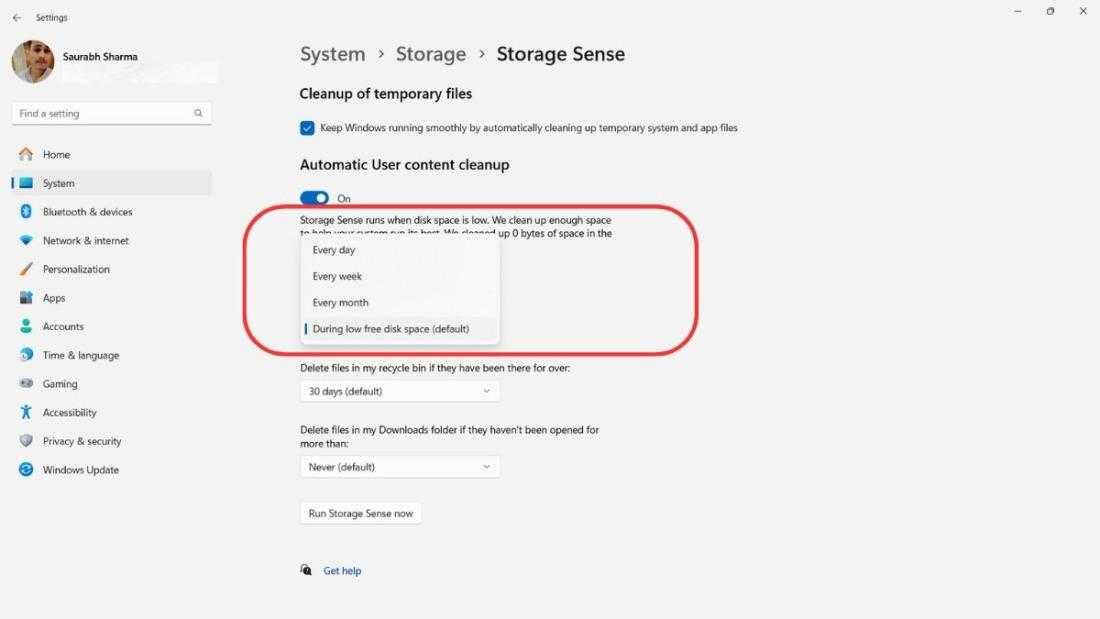
Consistently deleting unused apps and files keeps your device fast, secure, and organized. Use tools and habits suitable for your device to simplify the process. Regular maintenance not only saves storage space but also prolongs your device’s life and improves performance.How To Remove All JUNK Files in Windows 10 or 11
Frequently Asked Questions
What are effective ways to identify unnecessary files on my device?
To find files you no longer need, regularly browse through your storage categories such as downloads, documents, and media folders. Use built-in search tools to locate large files or duplicate items that take up space. Installing cleanup apps or utilizing system options to analyze storage can also help pinpoint files that are candidates for deletion.
How can I automate the process of removing unused apps and files?
Set up scheduled maintenance tasks on your device that automatically delete temporary files and clear cache. Use device settings or third-party apps to create automation routines that identify and remove unused or rarely accessed files and applications regularly. This approach helps keep your storage organized without manual intervention.
Which precautions should I take before deleting files and apps?
Always back up important data before removing any files or applications. Double-check that you are deleting the correct items by reviewing their contents and usage. For apps, ensure that you do not need them later, and confirm that deleting them won’t affect other applications or system functions.
What tools or apps can assist in managing storage efficiently?
Many devices come with built-in storage management tools that help identify large or unused files. You can also explore third-party cleanup applications that analyze your storage, suggest files to delete, and facilitate easy removal. These tools can save time and ensure you regularly maintain an organized device.
How often should I review and delete unused files and apps?
Aim to review your storage at least once a month to remove unnecessary files and applications. If you frequently download new content or install multiple apps, consider conducting these reviews more often. Regular maintenance helps prevent storage from filling up and keeps your device running smoothly.
Final Thoughts
To keep your device running smoothly, it’s crucial to delete unused apps and files regularly. Set a weekly reminder to review your downloads and app list. Uninstall apps you no longer use and clear out files, photos, or videos that take up space. This routine helps improve device speed and frees up storage for essential data. By following these simple steps, you ensure your device stays optimized and clutter-free. How to delete unused apps and files regularly is key to maintaining a healthy and efficient device.
Similar Posts