Updating Apps And Android System Regularly For Optimal
Keeping your Android device up to date is essential for smooth performance and security. Regular updates ensure you get the latest features, bug fixes, and protection against vulnerabilities. The process is simple and vital for a seamless experience, so don’t skip those update prompts!
Updating apps and the Android system regularly is crucial for optimal device functionality and security. It helps fix bugs, improve performance, and patch security flaws, keeping your device safe from threats. Staying current with updates also unlocks new features, making your Android experience more enjoyable and efficient.
If you want to keep your Android device running smoothly and securely, it’s important to update your apps and system regularly. Enable automatic updates when possible, and check for manual updates periodically to ensure you’re always benefiting from the latest improvements.

Updating Apps and Android System Regularly: Why It Matters for Your Device
Keeping your Android device up-to-date is essential for its smooth operation. Regular updates help improve performance, fix bugs, and add new features. By updating apps and the Android system consistently, you ensure your device stays secure and functions optimally.
Understanding the Importance of Updates
Security Enhancements
One of the main reasons to update your device regularly is to stay protected from security threats. Updates often include patches that fix vulnerabilities discovered in previous versions. These patches are vital for preventing malicious attacks, data breaches, and malware infections.
Improved Performance and Stability
App and system updates can optimize how your device runs. They fix bugs that cause crashes or sluggish behavior. Updating ensures your device operates smoothly without unexpected freezes or errors.
New Features and Functionality
Developers often add useful features through updates. These might include better camera options, improved battery life, or new UI elements. Keeping your apps and Android system current allows you to enjoy the latest functionalities.
How Often Should You Update?
Android System Updates
Google releases Android updates periodically, usually once every few months. Major updates are released annually, bringing significant improvements and security patches. It’s important to install these as soon as they are available.
App Updates
Developers frequently release app updates to introduce new features, fix bugs, and improve security. It’s recommended to check for updates weekly to stay current. Many apps also update automatically, which simplifies this process.
Steps to Check for Android System Updates
Manual Update Process
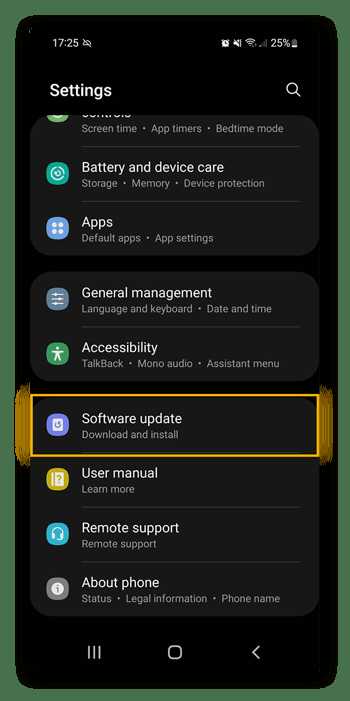
- Open the ‘Settings’ app on your device.
- Scroll down and tap on ‘System’ or ‘About phone’.
- Select ‘Software update’ or ‘System updates’.
- Tap ‘Check for updates’.
- If an update is available, follow the on-screen instructions to install it.
Automatic Updates
Android devices often set system updates to install automatically. To ensure this setting is enabled, go to ‘Settings’, then ‘System’, and look for ‘Automatic updates’. Enable the option if it isn’t already.
How to Keep Apps Updated
Using Google Play Store
- Open the Google Play Store app.
- Tap on the profile icon in the top right corner.
- Select ‘Manage apps & devices’.
- Tap ‘Updates available’ to see which apps have new versions.
- Choose ‘Update all’ or update apps individually.
Enabling Automatic App Updates
For convenience, turn on automatic updates. In the Play Store, go to ‘Settings’, then ‘Network preferences’, and select ‘Auto-update apps’. Choose ‘Over any network’ or ‘Over Wi-Fi only’ based on your preference.
Benefits of Automatic Updates
- Ensures you never miss critical security patches.
- Saves time by updating apps in the background.
- Helps access new features faster.
- Maintains overall device security and functionality.
Potential Risks and How to Avoid Them
Compatibility Issues
Sometimes updates can cause apps to behave unexpectedly or crash. To avoid this, read update notes to see if your device or app version is compatible.
Data Usage Concerns
Automatic updates may consume significant data, especially over mobile networks. To prevent unexpected charges, set updates to occur only over Wi-Fi or manually update when needed.
Battery Drain
Updating apps or system software can temporarily increase battery consumption. Perform updates when your device is charged or plugged in.
Tips for Managing Updates Efficiently
- Schedule regular check-ups for updates to keep your device current.
- Back up important data before installing major updates.
- Stay connected to a stable Wi-Fi network during updates to prevent interruptions.
- Read update notes for important information about new features or fixes.
Related Topics to Consider
How to Troubleshoot Update Problems
If your device fails to update, try restarting it or clearing cache. Contact support if issues persist.
Understanding Android Version Numbers
Knowing your current Android version helps determine if your device is up-to-date. To check your Android version, go to ‘Settings’, then ‘About phone’, and look for ‘Android version’.
Security Best Practices Beyond Updates
- Install apps only from trusted sources like Google Play Store.
- Use strong, unique passwords for your accounts.
- Enable two-factor authentication when possible.
- Regularly review app permissions to prevent data misuse.
Summary of Key Points
- Consistently updating the Android system and apps keeps your device secure, stable, and feature-rich.
- Check for system updates manually or enable automatic updates for convenience.
- Update apps regularly through Google Play Store, with automatic updates being the easiest option.
- Be mindful of potential update issues and take steps to mitigate risks.
- Maintain good security habits alongside updates for best device protection.
By making regular updates a part of your device care routine, you will enjoy a more reliable, secure, and feature-rich Android experience. Stay aware of new updates and use the settings available to keep everything current effortlessly. The effort invested in updating your device pays off with better performance and increased security every time.
How to enable automatic system updates setting #shorts
Frequently Asked Questions
Why is it important to keep your Android system updated regularly?
Keeping your Android system updated ensures you receive the latest security patches and improvements. Regular updates protect your device from vulnerabilities, bugs, and malware. They also enhance overall performance, stability, and compatibility with new apps and features, providing a smoother user experience.
How can I set my Android device to update apps automatically?
To enable automatic updates, open the Google Play Store app, tap the menu icon, then select “Settings.” Tap on “Network preferences,” then “Auto-update apps,” and choose either “Over any network” or “Over Wi-Fi only.” This setting allows your device to update apps seamlessly without manual intervention, ensuring you always have the latest versions.
What should I do if my Android system isn’t updating properly?
First, check your internet connection to ensure stability. Verify that your device has sufficient storage space for updates. Restart your device and attempt to update again. If issues persist, visit the device’s settings, navigate to “Software Update,” and manually check for updates. You can also clear cache or contact support if necessary.
Are there risks involved with frequently updating Android apps and system software?
While updates generally improve device security and functionality, sometimes they may introduce bugs or compatibility issues. It’s wise to back up important data before installing major updates. Also, read update details to understand what changes are involved, and proceed carefully if your device is rooted or modified.
How often should I check for system updates on my Android device?
It’s a good practice to check for system updates at least once a week. Many devices notify you automatically when updates are available, but manually checking ensures you don’t miss critical security patches or feature improvements. Regular checks help keep your device running smoothly and securely.
Final Thoughts
Updating apps and Android system regularly keeps your device secure and running smoothly. It prevents vulnerabilities and fixes bugs that can affect performance.
Frequent updates improve compatibility with new features and other devices. This habit ensures you get the most out of your smartphone.
In conclusion, maintaining your device by regularly updating apps and Android system is essential for optimal performance and security. Updating apps and Android system regularly helps safeguard your data and ensures smooth operation.

Similar Posts