How To Charge Macbook Pro Effectively For Optimal?


How to Charge MacBook Pro
Charging your MacBook Pro correctly helps maintain its battery health and ensures it works efficiently. Knowing the right techniques and tools can extend your laptop’s lifespan. In this guide, we’ll explore each step thoroughly to help you understand how to charge your MacBook Pro properly.
Understanding Your MacBook Pro’s Charging System
Your MacBook Pro uses a built-in lithium-ion battery that needs proper care. The device comes with a USB-C power adapter and cable, designed to provide optimal charging. Familiarize yourself with the charging components to avoid damage and optimize performance.
Components of the Charging System
- USB-C Power Adapter: Powers the MacBook and supplies electricity through the cable.
- USB-C Cable: Connects the power adapter to your MacBook Pro.
- Battery Management System: Ensures safe charging, preventing overcharging and overheating.
Optimal Charging Practices for MacBook Pro
Following proper charging practices can avoid battery deterioration over time. Always use the original or certified accessories to ensure safety and efficiency.
Use the Correct Charger and Cable
Always connect your MacBook Pro to the charger that came with it or a certified equivalent. Non-certified chargers may lack appropriate power regulation, risking damage to your battery and device.
Charge in a Suitable Environment
Ensure the area temperature is between 50°F and 95°F (10°C to 35°C). Excessive heat or cold can affect battery capacity and charging efficiency.
Keep Your MacBook Pro Plugged or Unplugged When Needed
If using your device heavily, keep it plugged in to avoid battery drain. When not in use, unplug after full charge to prevent overcharging.
Step-by-Step Guide to Properly Charge Your MacBook Pro
Follow these steps to ensure a safe and efficient charging process. Remember, patience during charging can prolong battery health.
Connect the Charger Correctly
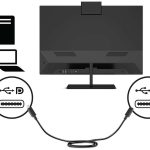
Plug the USB-C cable into your MacBook Pro’s charging port, then connect the other end to the power adapter. Lastly, plug the adapter into an AC outlet.
Check Charging Status
You can verify the charging process by clicking the battery icon in the menu bar. A lightning bolt indicates charging, and the percentage shows your current battery level.
Allow Full Charge Before Unplugging
For best battery health, aim for a full charge (100%) before unplugging. Avoid frequent partial charges, but occasional top-ups are okay.
Managing Battery Health and Longevity
Proper management can extend your MacBook Pro’s battery lifespan. Apple recommends certain practices to keep your battery healthy over years of use.
Enable Battery Health Management
This feature adapts charging behavior to reduce battery aging. It can be activated in System Preferences under Battery settings.
Avoid Deep Discharges
Try not to let the battery drain completely to 0% regularly. Instead, aim to keep it above 20% when feasible.
Keep Software Updated
Ensure your MacBook runs with the latest macOS updates. Software improvements often include battery optimization features.
Common Mistakes to Avoid When Charging MacBook Pro
Steering clear of these errors can prevent potential damage and maximize your device’s performance.
Using Non-Approved Charging Accessories
Always stick to Apple-certified chargers and cables. Fake or incompatible accessories may cause overheating or damage your battery.
Charging in Overly Hot or Cold Environments
Extreme temperatures harm the battery’s chemical components. Charge your MacBook Pro in a cool, dry place.
Leaving Your MacBook Plugged in Excessively
Constantly keeping your device plugged in can eventually reduce battery capacity. Use your MacBook on battery power periodically.
Additional Tips for Efficient Charging
Implementing these tips can improve charging efficiency and battery health over time. Simple habits can make a big difference.
Use Optimized Battery Charging Mode
This feature learns your daily charging routine and limits full charges until needed. Activate it in Battery preferences for better battery lifespan.
Monitor Battery Usage
In Battery settings, view which apps consume the most power. Managing app activity can reduce unnecessary charging cycles.
Regularly Calibrate the Battery
Occasionally discharge your battery to around 10%, then fully charge. This resets the battery’s capacity indicator for more accurate readings.
Understanding Fast Charging and Its Effects
Fast charging can quickly replenish your MacBook Pro’s battery. However, frequent use may impact long-term health if not managed properly.
Benefits of Fast Charging
- Speeds up recharge time during busy days
- Convenient when on the go
Potential Drawbacks
Repeated fast charging might increase heat and accelerate battery aging. Use it sparingly to maintain longevity.
Tips for Safe Fast Charging
- Ensure proper ventilation during fast charging
- Use only certified fast-charging adapters
- Avoid charging at high temperatures
Using External Battery Packs and Power Banks
If you need to charge your MacBook Pro outside of usual outlets, consider using a high-capacity power bank. Choose ones with Power Delivery (PD) support for optimal compatibility.
Who Should Use External Power Sources
Travelers, remote workers, or those with limited access to power outlets benefit from portable chargers. Always verify compatibility with your MacBook Pro’s charging port and wattage requirements.
Proper Usage of External Batteries
Charge the power bank ahead of time. Connect your MacBook via the USB-C port, then turn on the power bank. Monitor the charging process carefully.
Troubleshooting Charging Issues
If your MacBook Pro isn’t charging correctly, check these common issues first. Resolving simple problems can save time and avoid unnecessary repairs.
Identify Common Problems
- Loose or damaged cables
- Faulty power outlet
- Overheating or debris blocking ports
- Software glitches or outdated macOS
Possible Solutions
- Replace damaged cables with certified ones
- Try different power outlets
- Clean the charging port gently with a soft brush or cloth
- Restart your MacBook and update macOS
When to Seek Professional Help
If issues persist despite troubleshooting, contact Apple Support or authorized service providers. Persistent charging problems may indicate hardware faults needing expert repair.
Properly charging your MacBook Pro involves understanding its systems, using the right tools, and adopting good habits. Following these tips can help keep your device working smoothly for years to come. Always prioritize safety, use certified accessories, and stay aware of your battery’s condition to enjoy optimal performance.
Frequently Asked Questions
What steps should I follow to ensure my MacBook Pro’s battery charges efficiently?
To charge your MacBook Pro efficiently, connect the official charging cable to a power source and plug it into your laptop. Make sure the power outlet provides stable electricity. Keep the charging port clean and free of debris to prevent connection issues. Avoid using your MacBook while charging to allow the battery to charge faster, and unplug the charger once the battery reaches full capacity to maintain battery health.
Can I use my MacBook Pro while it’s charging without harming the device?
Yes, you can use your MacBook Pro while it charges. Modern batteries and charging systems are designed to handle regular use during charging without causing damage. However, intense tasks like gaming or video editing can generate additional heat, so it’s best to ensure proper ventilation during such activities. Regularly updating your macOS also helps optimize charging and battery management features.
How do I know when my MacBook Pro is fully charged?
Your MacBook Pro displays a battery icon in the menu bar, showing the current charge level. When fully charged, the icon will show a filled battery with a plug symbol. You can also check the battery status through the System Information app or the battery widget. For optimal battery health, unplug the charger once the battery reaches 100% to reduce wear over time.
Is it harmful to leave the MacBook Pro plugged in all the time?
Leaving your MacBook Pro plugged in is generally safe due to built-in battery management systems. These systems prevent overcharging by stopping the charge once the battery reaches full capacity. However, keeping the battery at 100% constantly can slightly reduce its lifespan over many years. To prolong battery health, consider unplugging the device periodically and avoiding extreme temperatures while charging.
What should I do if my MacBook Pro’s charging port isn’t working properly?
If your MacBook Pro’s charging port isn’t functioning correctly, start by cleaning the port gently with a soft brush or compressed air to remove dust or debris. Check the charging cable and adapter for damage and test with another compatible charger if available. Restart your MacBook and reset the System Management Controller (SMC), as this can resolve charging issues. If problems persist, visit an authorized service provider for professional assistance.
Final Thoughts
To charge a MacBook Pro efficiently, connect the charger to a power outlet and plug it into your laptop. Ensure the connection is secure and the charger is functioning properly. Keep your MacBook Pro updated to optimize battery health. In conclusion, knowing how to charge MacBook Pro properly helps maintain its battery life and performance. Always use the original charger and avoid overcharging the device. Following these simple steps ensures your MacBook Pro stays powered and ready for use.
Similar Posts