Grayscale Iphone Setting For Better Screen Experience
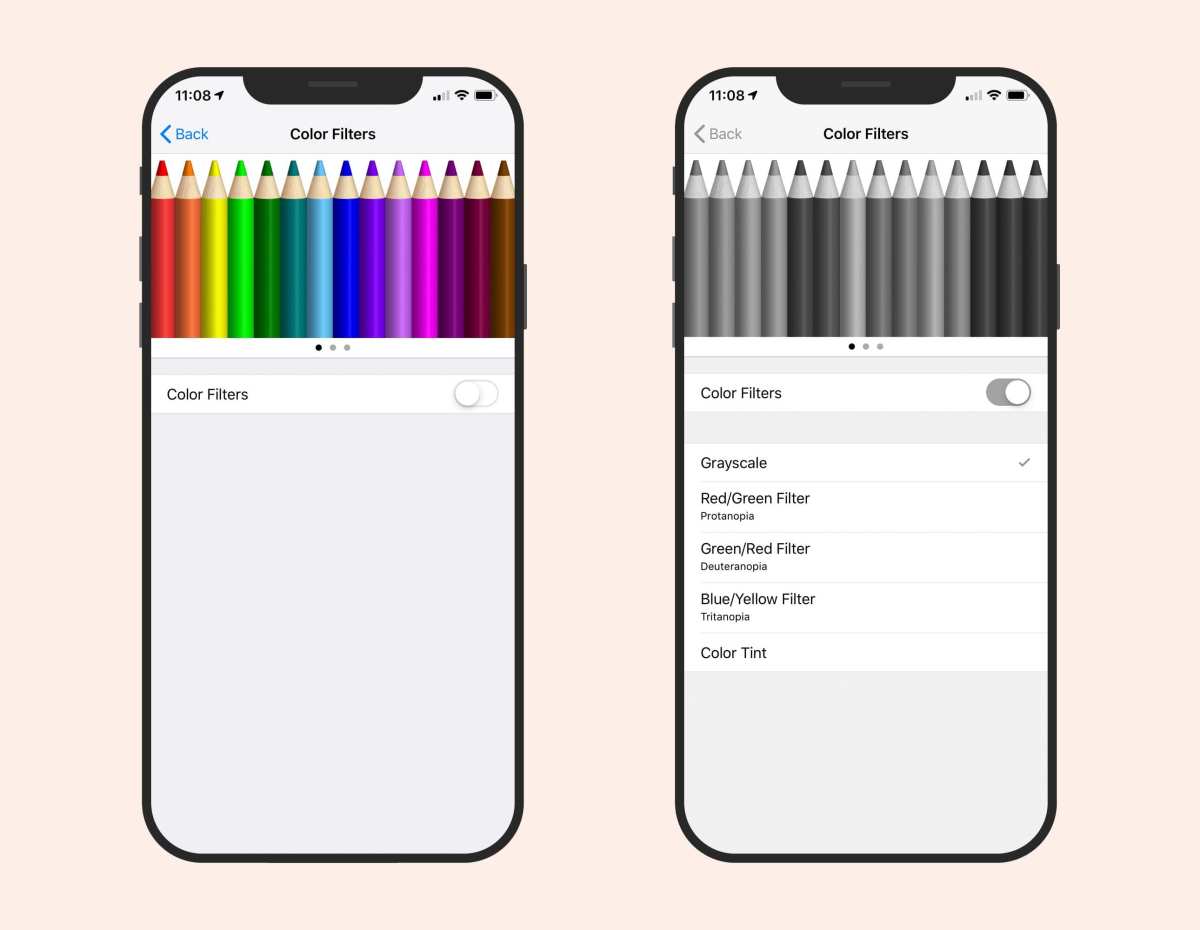
To enable grayscale on your iPhone, simply go to Settings, then Accessibility, and select Display & Text Size. **The grayscale iPhone setting removes color, giving your screen a black-and-white appearance.** This can help reduce distractions, conserve battery life, or create a different visual experience.
Activating this feature is quick and straightforward, offering an easy way to customize how you see your device. Whether you’re aiming to minimize visual clutter or improve focus, the grayscale iPhone setting provides a simple solution to suit your needs.

Understanding the Grayscale iPhone Setting: A Complete Guide
When you think about customizing your iPhone, you might imagine changing wallpapers, setting up notifications, or choosing new ringtones. But have you ever considered adjusting the display to a simpler, more subdued look? That’s where the grayscale setting comes into play. This feature changes your phone’s vibrant colors into shades of black, white, and gray, giving your device a sleek, minimalist feel. It’s not just about aesthetics; grayscale can also make your screen easier on your eyes and help reduce distractions.
In this guide, we will explore the ins and outs of the grayscale iPhone setting, including why you might want to use it, how to turn it on, and the various benefits it offers. Whether you’re curious about its functionality or want to learn how to toggle it effortlessly, this article has everything you need.
What Is the Grayscale Setting on iPhone?
The grayscale setting on an iPhone is a visual adjustment that removes all color from your display, leaving only shades of gray. When activated, your phone’s bright, colorful images, icons, and backgrounds switch to grayscale. This feature is part of the accessibility options on your device, designed to help users with visual impairments or those who prefer a different visual experience.
The main purpose of grayscale isn’t just aesthetic — it can also help reduce visual clutter and minimize the temptation to spend too much time on social media or games. For some, it creates a calmer, more focused user experience.
Reasons Why People Use Grayscale on iPhone
People choose to enable grayscale for various reasons. Here are some common motivations:
- Reduce Distractions: Colors grab our attention. Switching to grayscale can help you stay focused on what truly matters by making notifications and app icons less stimulating.
- Limit Screen Time: The simplicity of black-and-white visuals can make using your phone less appealing, encouraging you to spend less time scrolling and more time doing other activities.
- Protect Your Eyes: For some users, especially those sensitive to bright displays, grayscale reduces eye strain by removing vibrant visuals.
- Assist with Visual Impairments: Certain users with vision challenges find that grayscale simplifies the display, making content easier to interpret.
- Enhance Sleep Hygiene: Using grayscale late at night can minimize blue light exposure and help you prepare for restful sleep.
This versatility makes grayscale a helpful feature beyond just aesthetics, offering practical benefits for everyday use.
How to Turn On the Grayscale Setting on Your iPhone
Activating grayscale on your iPhone is straightforward. Follow these simple steps to enable this feature:
Step-by-step Guide to Enable Grayscale
- Open the Settings app on your iPhone.
- Scroll down and tap on Accessibility.
- Under the Accessibility menu, select Display & Text Size.
- Find the Color Filters option and tap on it.
- Toggle the switch next to Color Filters to turn it on.
- Choose Grayscale from the options available.
Once you select grayscale, your display switches instantly. To turn it off, simply follow the same steps and toggle off the Color Filters.
Quick Access: Enable Grayscale via Accessibility Shortcut
If you prefer a faster way to switch between color modes, use the Accessibility Shortcut:
- Go to Settings > Accessibility > Accessibility Shortcut.
- Tap on Color Filters to add it as a shortcut.
Now, when you triple-click the side button or home button (depending on your iPhone model), your display will toggle between normal mode and grayscale.
Customizing Your Grayscale Experience
While the default grayscale setting is simple, you might want to tailor how it appears or when it activates. Here are a few ways to customize:
Using Grayscale for Specific Apps
If you want only certain apps to display in grayscale, you can do this through the Guided Access feature:
- Turn on Guided Access in Settings under Accessibility > Guided Access.
- Start a session with the app you want to view in grayscale.
- Triple-click the side or home button, then select Display in Grayscale.
This method allows for temporary grayscale use without affecting your entire device.
Adjusting the Intensity of Grayscale
Currently, iOS doesn’t offer a way to adjust the intensity or contrast of the grayscale effect directly. However, pairing grayscale with other accessibility features like Increase Contrast can improve visibility. To do this:
- Go to Settings > Accessibility > Display & Text Size.
- Enable options like Increase Contrast or Reduce Transparency.
These settings don’t change the grayscale itself but can make the overall display easier to read for some users.
Benefits of Using Grayscale on iPhone
Switching your iPhone to grayscale offers a variety of advantages:
Enhanced Focus and Productivity
By removing the vibrancy and colors, your phone becomes less distracting. This helps you concentrate when working or studying, making it easier to stay on task.
Better for Sleep
Since blue light emitted by screens can interfere with your sleep cycle, using grayscale late at night can lessen that impact. It also signals to your brain that it’s time to rest, especially when combined with other nighttime routines.
Reducing Screen Time and Dependency
The duller display discourages prolonged use, which is valuable for those trying to cut back on social media or gaming. It’s an easy way to curb habits without completely disabling your device.
Protection for Sensitive Eyes
People with eye sensitivity may find that the softer contrast of grayscale reduces discomfort, making it easier to use their iPhone for longer periods.
Potential Drawbacks and Limitations
While grayscale offers many benefits, it also has some downsides:
- Loss of Visual Appeal: The dynamic and colorful interface of your iPhone becomes muted, which some users might find less engaging.
- Functionality Challenges: Certain apps that depend heavily on color cues (like weather apps with colorful icons) may be less effective or harder to interpret in grayscale.
- Limited Customization: You cannot adjust the level of grayscale or combine it with other visual effects directly within iOS.
Understanding these limitations helps you decide whether using grayscale aligns with your needs or preferences.
Tips for Making the Most of Grayscale
To maximize your experience with grayscale, consider these suggestions:
- Use the Accessibility Shortcut to toggle quickly between modes, especially if you switch frequently.
- Combine grayscale with other accessibility features like Reduce Motion or Increase Contrast for a more comfortable visual experience.
- Use grayscale during specific times of the day, such as late at night, to promote better sleep hygiene.
- Adjust your device’s brightness settings to complement the grayscale view, reducing eye strain further.
These practices help you adapt the grayscale setting to your daily routine seamlessly.
The grayscale setting on an iPhone might seem simple at first glance, but it offers a host of practical benefits for users looking to change their visual experience or manage their screen time more effectively. Whether you want to create a minimalist aesthetic, minimize distractions, or protect your eyes, knowing how to enable and customize grayscale empowers you to control your device better.
By understanding the steps involved, potential advantages, and limitations of this feature, you can decide if it’s right for you. With a quick toggle or a dedicated shortcut, you can switch to grayscale whenever the need arises — making your iPhone a more tailored, user-friendly tool.
Frequently Asked Questions
How can I revert my iPhone back to color mode after enabling grayscale?
To switch your iPhone back to color mode, go to Settings, tap on Accessibility, then Display & Text Size. Tap on Color Filters and toggle off the switch. Your screen will return to its full color display immediately.
What are the benefits of using grayscale mode on an iPhone?
Using grayscale mode can reduce visual distractions, helping you focus better on important tasks. It may also decrease your device usage by making images and vibrant elements less appealing, which can support digital well-being. Additionally, it assists users with visual sensitivities or reading difficulties.
Can I customize grayscale settings on my iPhone?
While the grayscale feature itself is simple, you can adjust related settings such as enabling Color Filters or reducing white point for a softer visual effect. These options are available in the Accessibility settings under Display & Text Size, allowing you to personalize your visual experience.
Does activating grayscale affect the functionality of my iPhone’s display?
No, enabling the grayscale mode only changes the color presentation of your display. It does not impact the functionality or performance of your device. All apps, notifications, and features continue to work normally, just in black, white, and shades of gray.
Is there a shortcut to toggle grayscale mode on my iPhone?
Yes, you can set up a shortcut using the Accessibility Shortcut feature. Go to Settings > Accessibility > Accessibility Shortcut, then select Color Filters. After doing this, triple-click the side or home button to quickly switch grayscale on or off as needed.
Final Thoughts
The grayscale iphone setting offers a simple way to change how your device looks and feels. It reduces color distractions and can help save battery life. By enabling this feature, users can enjoy a cleaner, more focused screen experience. In summary, the grayscale iphone setting is a quick, effective tool to customize your device to your preferences.

Similar Posts