Find My Iphone Setting: How To Locate And Use It Effectively
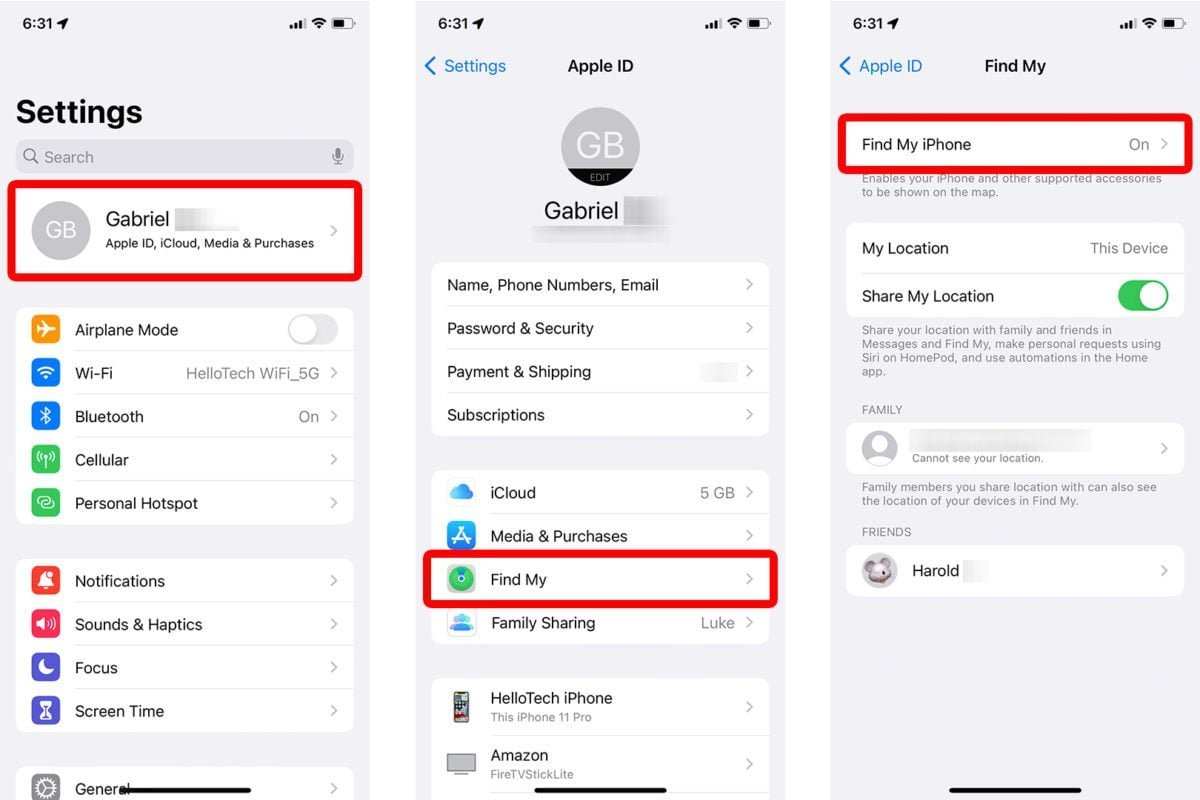
**To find your iPhone if it’s lost, simply enable the ‘Find My iPhone’ setting in your device’s settings menu.** This feature helps you locate your phone quickly and easily. Opening the settings app, tapping your Apple ID, and turning on ‘Find My’ ensures you’re covered in case of theft or misplacement.
Knowing where to find this setting gives you peace of mind. It’s a straightforward step that makes locating your device hassle-free. Keep this feature active to stay connected and protected.

Understanding the Find My iPhone Setting: A Complete Guide
When you own an iPhone, one of the most useful features Apple offers is the “Find My iPhone” setting. This tool helps you locate your device if it ever gets lost or stolen, giving you peace of mind and an extra layer of security. But how do you turn it on? How does it work? And what are the best practices to make sure it’s always ready when you need it? In this comprehensive guide, we’ll walk you through everything you need to know about the Find My iPhone setting. Whether you’re a new iPhone user or just want to make sure your device is protected, this article will give you a clear, step-by-step understanding.
What Is Find My iPhone and Why Is It Important?
Find My iPhone is a built-in feature that helps users locate, lock, and erase their iPhone if it’s misplaced or stolen. It uses GPS, Wi-Fi, and cellular signals to give you a real-time location of your device on a map. This feature is part of Apple’s broader “Find My” service, which also allows users to find other Apple devices like iPads, MacBooks, AirPods, and even AirTags.
Why should you care about this? Here are a few reasons:
- Locating your device: Quickly find your iPhone if it’s lost around your house, at a café, or somewhere in the city.
- Protecting your data: Lock your device remotely or erase all your personal information if you believe your iPhone is stolen.
- Sharing your location: Share your real-time location with friends or family for safety and convenience.
- Finding friends and family: If they share their location with you, Find My can help you keep track of loved ones.
Having Find My iPhone activated gives you control over your device, which is especially helpful in emergencies. Think of it as a virtual safety net that helps you recover your device or prevent others from accessing your personal information.
How to Enable Find My iPhone Setting
Enabling Find My iPhone is straightforward. Here’s a step-by-step guide to turn it on:
Step-by-step instructions
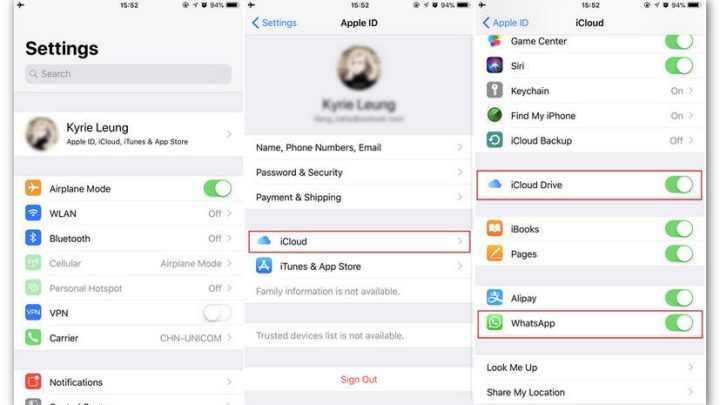
- Open the Settings app on your iPhone.
- Tap on your Apple ID profile at the top of the screen — it displays your name and profile picture.
- Select “Find My” from the list of options.
- Tap on “Find My iPhone.”
- Switch the toggle to turn on “Find My iPhone.”
- For extra security, enable “Send Last Location.” This feature automatically sends your device’s location to Apple when the battery is critically low.
Once enabled, Find My iPhone will start working in the background, ready to help locate your device if needed.
Understanding the Features of Find My iPhone
Find My iPhone isn’t just about locating your device. It offers a range of functions designed to protect your data and help you recover your device efficiently.
Locating Your Device
This feature shows you the last known location of your iPhone on a map. You can view it from another device using iCloud or the Find My app. The app provides an approximate location based on GPS, Wi-Fi, and cellular data.
Playing a Sound
If your iPhone is nearby but you can’t see it, you can make it play a loud sound. This is especially helpful if your device is hidden under cushions or in another room.
Lost Mode
Lost Mode locks your device with a PIN, preventing unauthorized access. You can also display a custom message with your phone number so anyone who finds it can contact you.
Erase Data Remotely
If you’re worried that your personal information might be compromised, you can choose to erase all data remotely. This action deletes all content and settings on your iPhone, protecting your privacy.
Tips for Using Find My iPhone Effectively
To get the most out of this feature, keep these tips in mind:
- Always keep your device connected to the internet through Wi-Fi or cellular data. Without an active connection, you cannot locate your iPhone.
- Enable “Send Last Location” to ensure that Apple receives your device’s last known position when the battery drops to a critically low level.
- Share your location with trusted contacts. This makes it easier to recover your device if lost.
- Regularly update your iPhone’s software. The latest iOS updates often include security improvements that enhance Find My iPhone’s performance.
Note: Remember that Find My iPhone requires iCloud sign-in. Make sure you’re signed into your Apple ID for these features to work.
Precautions and Best Practices for Find My iPhone
While Find My iPhone offers helpful features, there are some precautions you should take:
Protect Your Apple ID
Your Apple ID is the key to accessing Find My iPhone. Use a strong, unique password and enable two-factor authentication to prevent unauthorized access.
Keep Your Device Updated
Always install the latest iOS updates. They patch security vulnerabilities and improve the accuracy and reliability of the Find My service.
Regularly Review Your Settings
Check that Find My iPhone remains enabled, especially after software updates or device resets.
Inform Trusted Contacts
Share your location with family or friends in case your device gets misplaced or stolen. This collaboration can make recovery easier.
Locating and Managing Your iPhone with Find My
The process of finding your iPhone involves several steps you should know to be prepared:
Using iCloud on a Computer or Browser
Go to the iCloud website, sign in with your Apple ID, and select “Find iPhone.” From there, you can see your device’s location, play a sound, or mark it as lost.
Using the Find My App on Another Apple Device
If you have access to another Apple device, open the Find My app. Log in with your Apple ID, select your iPhone, and choose the desired action.
Tracking Your Phone’s Location
The location displayed on the map may vary depending on your device’s connection and environment. For example:
| Status | Description |
|---|---|
| Online | Device is connected to the internet, and location is available. |
| Offline | Device is turned off or not connected; you’ll see the last known location. |
| Location unavailable | Device might be turned off, out of network range, or has location services disabled. |
Remember, the location may not always be real-time if the device is offline.
What to Do When Your iPhone Is Lost or Stolen
If your device goes missing, act quickly:
- Use Find My iPhone to locate it on a map.
- Play a sound to help find it nearby.
- Enable Lost Mode — lock your device and display a message with contact info.
- If you suspect theft, Erase Your iPhone remotely to protect your personal data. Only do this if you believe recovery is unlikely;
- Report the loss or theft to local authorities with your device’s serial number and last known location.
Taking immediate action can increase your chances of retrieving your device or safeguarding your data.
The Find My iPhone setting is a powerful tool that, when used properly, can significantly help you recover a lost device or keep your information safe. By turning this feature on and following best practices, you ensure that you’re always ready if your iPhone goes missing. Remember to keep your Apple ID secure, stay updated with the latest iOS versions, and regularly check your settings to keep everything working smoothly. Whether you’ve misplaced your phone at home or someone has taken it, Find My iPhone provides peace of mind and practical solutions. Make this feature a regular part of your device management routine, and you’ll always be prepared for the unexpected.
Frequently Asked Questions
How can I ensure the Find My iPhone feature is activated on my device?
To ensure Find My iPhone is active, go to your device’s Settings, tap on your Apple ID at the top, then select “Find My.” Confirm that the “Find My iPhone” toggle is turned on. Enabling this setting allows you to locate your device if it gets lost or stolen.
What steps should I follow if I want to disable Find My iPhone on my device?
Open Settings and tap on your Apple ID banner. Select “Find My,” then tap on “Find My iPhone.” Enter your Apple ID password when prompted, then toggle off “Find My iPhone” and confirm your choice. Disabling this may restrict your ability to track the device later.
Can I locate my iPhone if it’s turned off or has no internet connection?
If your iPhone is turned off or offline, it won’t transmit its location in real-time. However, it can still be located the next time it connects to the internet if “Find My iPhone” is enabled. You can also set up notifications to alert you when the device comes back online.
How does enabling “Send Last Location” help in tracking my iPhone?
When you activate “Send Last Location,” your iPhone automatically shares its GPS coordinates with Apple when battery power is critically low. This feature helps you find your device even if the battery runs out, providing a last-known location to assist in recovery.
Final Thoughts
The find my iphone setting helps you easily locate your device and keep it secure. Ensuring this feature is active provides peace of mind if your phone goes missing. Regularly check and update this setting to stay protected. Remember, the find my iphone setting is essential for safeguarding your device and personal information.

Similar Posts