Data Roaming Iphone Setting: How To Manage Your Connection

Understanding and Managing Data Roaming iPhone Settings for Smooth Travel
Traveling to new places often involves more than just packing bags and planning activities. Your smartphone becomes a crucial tool for navigation, communication, and capturing memories. But when you’re abroad, using your iPhone’s data services can get tricky, especially if you’re unfamiliar with how to manage data roaming settings. This article takes a deep dive into data roaming iPhone settings, helping you understand what they do, how to adjust them, and tips to avoid unexpected charges while staying connected.What is Data Roaming on iPhone?
Data roaming allows your iPhone to access the internet through networks other than your home carrier when you’re outside your country. Imagine you’re in a foreign country, and your regular cell provider doesn’t have coverage there. Instead, your phone connects to a local network via roaming agreements, allowing you to browse the web, send messages, and use apps that need internet access. However, this convenience comes with important considerations:- Roaming can lead to additional charges, sometimes quite high, depending on your provider and plan.
- It’s not always necessary to enable data roaming unless you need internet access while traveling abroad.
- Turning off data roaming can help prevent accidental data usage and surprise bills.
How to Find and Access Data Roaming Settings on Your iPhone
Getting to your iPhone’s data roaming settings is straightforward. Follow these simple steps:- Open the Settings app on your iPhone’s home screen.
- Scroll down and tap on Cellular or Mobile Data, depending on your device version.
- Select Cellular Data Options or Mobile Data Options.
- Look for the Data Roaming toggle or switch.
Different Data Roaming Settings and What They Mean
When you access the Data Roaming menu, you typically see a toggle with the following options:Data Roaming On
Enabling data roaming allows your iPhone to connect to networks outside your home country. This is useful when you need to access the internet, send messages, or use apps that require data while traveling. However, it’s vital to be aware of potential charges associated with roaming data usage.
Data Roaming Off
Turning off data roaming prevents your iPhone from connecting to foreign networks for internet access. This is the safest way to avoid unexpected charges. Even if data roaming is off, you can still use Wi-Fi networks to access the internet without incurring additional costs.
Data Roaming Restrictions
Some carriers or plans may restrict data roaming or offer specific settings for controlling usage. Always check with your provider before traveling to understand your options and charges.
Why You Should Be Careful with Data Roaming Settings
Using data roaming without caution can lead to large phone bills. Many users have faced unexpected charges simply because they forgot to disable data roaming before arriving abroad. Here’s why you should monitor your settings:- High Costs: Roaming data charges can be significantly higher than domestic data rates.
- Battery Drain: Connecting to multiple networks can also drain your phone’s battery faster.
- Unintended Usage: Background app refresh, automatic updates, and location services can all consume data without your knowledge.
How to Enable Data Roaming Safely on Your iPhone
If you need to enable data roaming while traveling, follow these tips to do it safely:- Make sure you understand the costs involved with your plan and roaming agreements.
- Go to Settings >Cellular >Cellular Data Options.
- Toggle Data Roaming to On.
- Consider enabling Wi-Fi Calling if your carrier supports it, to make calls over Wi-Fi and reduce roaming charges.
- Turn off automatic app updates and background app refresh to prevent unnecessary data usage.
Managing Data Usage: Tips for Travelers
To save money and ensure you stay within your plan’s limits, consider these useful tips:- Use Wi-Fi whenever available: Connect to secure Wi-Fi networks in hotels, cafes, or airports.
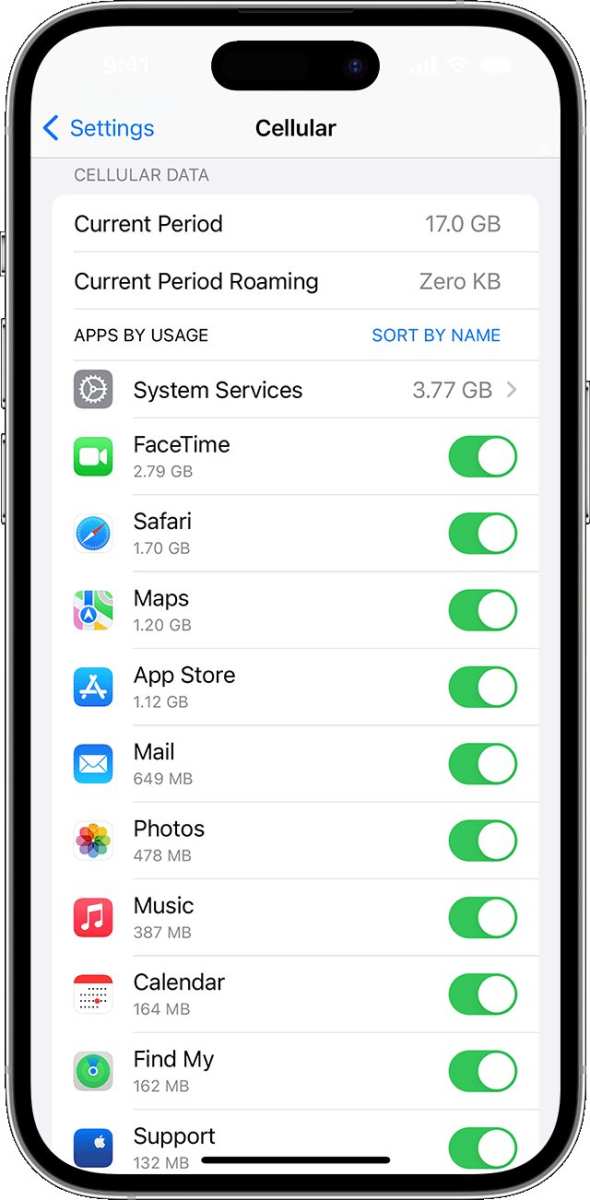
- Monitor your data consumption: Check your usage regularly in Settings > Cellular > Cellular Data Usage.
- Set Data Usage Alerts: Some carriers allow setting alerts for when your data reaches a certain limit.
- Enable Low Data Mode: This mode helps reduce background data and system updates, conserving your data plan.
- Disable Automatic Downloads: Turn off automatic app updates and backups over cellular data.
Understanding International Data Plans and Roaming Packages
Many carriers offer special plans or packages designed for international travelers. These plans often include:- Prepaid roaming packages with a fixed amount of data, calls, and texts.
- Global SIM cards that work across multiple countries.
- Special international data plans that can be added temporarily to your existing plan.
Best Practices for Using Data Roaming on iPhone
To ensure you stay connected without breaking the bank, follow these best practices:- Always check your carrier’s roaming policies and charges before crossing borders.
- Enable data roaming only when necessary and disable it otherwise.
- Use Wi-Fi as much as possible to take advantage of free internet access.
- Keep track of your data consumption through your carrier’s app or settings.
- Consider purchasing international roaming plans or local SIM cards for longer trips.
Summing Up: Key Points to Remember About Data Roaming on iPhone
– Always review your data roaming settings before traveling. – Use Wi-Fi networks to save on roaming data charges. – Be aware of your carrier’s international roaming policies and costs. – Enable data roaming only when you need it, and turn it off afterward. – Keep an eye on your data usage to prevent unexpected bills. In conclusion, managing data roaming on your iPhone is essential for smooth international travel. Understanding how to toggle the setting, setting limits, and choosing the right plans help you stay connected without worrying about costly surprises. Take the time to adjust your settings before your trip, and enjoy your travels with peace of mind.Frequently Asked Questions
How can I enable data roaming on my iPhone?
To enable data roaming, go to Settings > Cellular or Mobile Data. Tap on Cellular Data Options or Mobile Data Options, then toggle the Data Roaming switch to the ON position. This allows your iPhone to access cellular data when outside your home network.
What should I do if my iPhone isn’t connecting to data overseas?
If your iPhone isn’t connecting to data when traveling, ensure that data roaming is turned on. Also, check with your carrier to confirm that your international plan includes data roaming. Restart your device and reset network settings if necessary, by navigating to Settings > General > Reset > Reset Network Settings.
How can I prevent unexpected charges while using data roaming?
To avoid unexpected charges, turn off data roaming when not needed. You can also set data limits or disable cellular data altogether by going to Settings > Cellular > Cellular Data, and toggling it off. Consider purchasing an international data plan or a local SIM card for cost-effective data access abroad.
Is it possible to customize data roaming settings for specific locations?
While iPhone doesn’t allow location-based customization of data roaming, you can manually control data usage by toggling data roaming on or off depending on your location. Additionally, some carriers provide apps that let you manage roaming preferences based on different regions.
What are the potential impacts of leaving data roaming enabled continuously?
Keeping data roaming enabled without monitoring can lead to large, unexpected charges, especially if your carrier bills for data in your destination country. It may also drain your battery faster. To protect yourself, disable data roaming when you’re not actively using it and monitor your data usage regularly.
Final Thoughts
In summary, understanding how to manage your data roaming iPhone setting ensures you stay connected without unexpected charges. Turning off or customizing data roaming helps you avoid costly fees while traveling. Always verify your settings before leaving your home network. Properly configuring data roaming iPhone setting keeps your device efficient and your plan under control.
Similar Posts