Can I Use a VPN with YouTube TV?
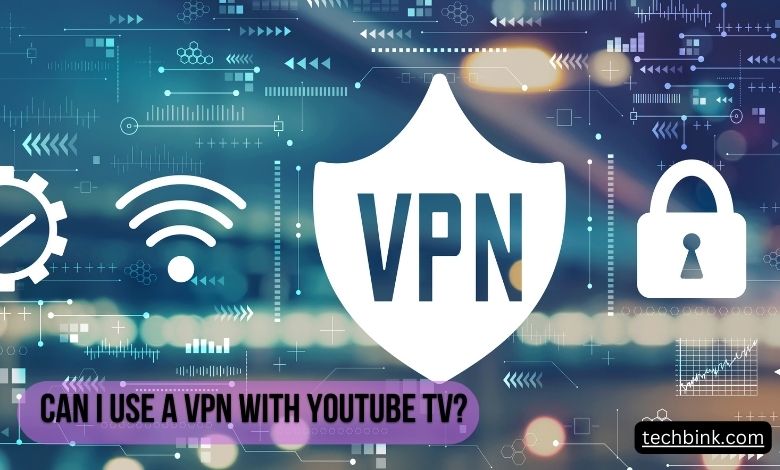
YouTube TV is one of the most popular live TV streaming services in the United States, offering cable-free access to more than 100 channels, unlimited cloud DVR, and sports, news and entertainment. But its availability is strictly limited to the US. If you’re traveling abroad, living outside the country, or simply want to keep your streaming activity private, you’ve probably wondered: Can I use a VPN with YouTube TV? The short answer is yes, it’s technically possible—but it’s not officially allowed, and success depends heavily on the VPN you choose and how you configure it.
This article unpacks everything you need to know: how YouTube TV detects VPNs, which VPNs work most reliably, what the terms of service say, the legal and practical risks, and the step-by-step process to get it running. Whether you’re an expat wanting to watch US television or a privacy-minded streamer, you’ll find detailed, straightforward guidance here. For more on this, see our guide on can ps5 use 144hz monitor 2.
How YouTube TV Geo-Restrictions Work
YouTube TV uses highly accurate geolocation technology to verify that each viewer is physically within the United States. It checks your location in multiple ways simultaneously, making it one of the harder streaming services to fool.
- IP address geolocation: The IP address assigned by your internet provider (or VPN server) reveals your approximate location. YouTube TV’s system references databases that map IP addresses to countries, regions and even cities.
- Device location services: On smartphones, tablets and some smart TV apps, YouTube TV can request GPS or location permissions. If you’re physically outside the US, your device’s GPS may broadcast that data even if your IP says otherwise.
- Payment method and billing address: When you sign up, YouTube TV validates your US-based credit card or PayPal account. A foreign payment method can block registration entirely.
- Home area definition: As part of setup, you must set a “home area” based on your US zip code, which determines the local channels you receive. YouTube TV remembers that location and expects you to periodically reconnect from within that area.
When any of these signals suggest you’re outside the United States, the service displays an error message such as “YouTube TV is not available in your country” and refuses to stream. For more on this, see our guide on can i use sound box while charging 2.
The Role of a VPN in Bypassing Restrictions
A Virtual Private Network (VPN) encrypts all your internet traffic and routes it through a server in a location you select. When you connect to a US server, your real IP address is replaced with an American one, making websites think you’re in the United States.
For YouTube TV, a VPN can, in theory, bypass the IP geolocation check. But because YouTube TV also employs advanced detection methods, a basic VPN is rarely enough. The VPN needs to do more than just offer a US IP—it must actively avoid detection and prevent leaks that would reveal your true location. For more on this, see our guide on can i use mini sound box for laptop.
Does YouTube TV Allow VPNs? (Terms of Service)
The platform’s terms of service are unambiguous. YouTube TV’s terms clearly state that you may not “use any technology or technique to obscure or disguise your location when accessing the service” and that the service is intended only for use within the United States. The prohibition covers VPNs, proxy servers, and any similar tool.
If YouTube TV detects VPN usage, it can—and does—block access. Repeated or obvious violations can lead to account suspension or termination. There is no grey area: from the company’s perspective, using a VPN breaches the agreement you accepted at signup. For more on this, see our guide on how to set up ring light for youtube.
Why YouTube TV Blocks VPNs and How It Detects Them
YouTube TV doesn’t simply block all VPN IP addresses. Instead, it uses a multilayered detection system that many ordinary VPNs struggle to beat.
- IP blacklisting: Datacenter IP ranges used by many VPNs are well-known and compiled in commercial databases (e.g., MaxMind). YouTube TV can cross-reference your IP against these lists and instantly block known VPN servers.
- DNS leak detection: Even when your traffic goes through a VPN, your device might still send DNS queries to your ISP’s resolver, exposing your real location. YouTube TV can detect such mismatches.
- WebRTC leaks: Browsers and web apps can leak your real IP address via WebRTC even when a VPN is active. YouTube TV’s web player can check for this.
- GPS and location APIs: On mobile devices, the YouTube TV app may exploit the phone’s built-in GPS to determine your physical location. If that location conflicts with your VPN IP, the stream stops.
- Browser and device fingerprinting: YouTube TV can build a profile of your device’s settings, timezone, language, and other parameters. Inconsistencies between the VPN IP’s expected region and your device’s actual configuration can trigger a block.
- Traffic patterns and behaviour: VPN servers that see sudden, massive traffic spikes from streaming services are sometimes identified and blacklisted dynamically.
This aggressive detection means that only VPNs that specifically invest in streaming-optimized infrastructure—regularly cycling IP addresses, using obfuscated protocols, and mitigating leaks—can maintain consistent access. For more on this, see our guide on how to use claude artifacts.
Can You Actually Use a VPN with YouTube TV Successfully?
Yes, you can, but the VPN you pick makes all the difference. Free VPNs and generic privacy VPNs fail almost immediately. However, several premium services have developed dedicated streaming servers and technologies that routinely work with YouTube TV.
The best VPNs for YouTube TV share these characteristics:
- A large network of US servers in multiple cities (not just a few data centres)
- Regularly refreshed IP addresses that aren’t widely flagged
- Proprietary obfuscation protocols that disguise VPN traffic as normal HTTPS
- Built-in DNS and WebRTC leak protection that activates automatically
- GPS spoofing support (via dedicated apps or guidance) for mobile devices
- 24/7 live chat support that can suggest specific working servers
Three VPNs consistently recommended by independent reviewers for unlocking YouTube TV are ExpressVPN, NordVPN, and Surfshark. All have strong no-logs policies, military-grade encryption, and money-back guarantees, so you can test them risk-free.
| VPN Service | Key Streaming Feature | US Server Locations | Simultaneous Connections |
|---|---|---|---|
| ExpressVPN | Lightway protocol plus MediaStreamer DNS for smart TVs | 16+ US cities | Up to 8 devices |
| NordVPN | SmartPlay technology and obfuscated servers | 15+ US cities | Up to 10 devices |
| Surfshark | NoBorders mode and Camouflage mode | 20+ US cities | Unlimited |
Even these top-tier VPNs can occasionally run into a block. When that happens, switching to a different US city server or clearing your browser’s cookies usually resolves the issue within minutes.
Step-by-Step: How to Set Up a VPN for YouTube TV
Following this process gives you the best chance of streaming without interruptions:
- Choose and subscribe to a reliable VPN with proven YouTube TV compatibility (see the table above). Make sure it offers apps for your specific device (Windows, macOS, Android, iOS, Fire TV, etc.).
- Install the VPN app and sign in. Enable all leak protection options (kill switch, DNS leak protection, IPv6 blocking) in the app’s settings.
- Connect to a US server, ideally in the city that matches your YouTube TV home area. If your home area is New York, a server in New York often works most smoothly.
- Clear app cache and location data. On Android, go to Settings > Apps > YouTube TV > Storage, then clear cache and data. On iOS, offloading and reinstalling the app can help. On web browsers, clear cookies and site data for youtube.com.
- Open YouTube TV. If you’re using a browser, go to tv.youtube.com. If using the app, launch it after clearing data.
- Update your playback location if prompted. YouTube TV may ask you to confirm your “current playback area.” Allow it to detect your location (now the VPN’s IP) and refresh the guide.
- On mobile devices, disable GPS before opening the app. On Android, you can use a GPS-spoofing app (requires developer options) to match your VPN’s coordinates. While this adds a step, it greatly reduces detection.
If you plan to watch on a smart TV or streaming stick (Roku, Fire TV) that doesn’t natively support VPN apps, you’ll need to install the VPN on your router or use a virtual router from a PC. Many premium VPNs provide setup guides for this.
Common Problems When Using a VPN with YouTube TV and How to Fix Them
| Problem | Likely Cause | Quick Fix |
|---|---|---|
| “Not available in your area” error | VPN IP flagged by YouTube TV | Disconnect and reconnect to a different US city server. Clear app data, then try again. |
| Buffering or poor video quality | VPN server overloaded or distant | Connect to a server closer to your physical location, or select one with lower load. Use a wired connection if possible. |
| Location mismatch popup | Device GPS or timezone contradicts VPN IP | Turn off location services on mobile. Set device timezone to match the US server. |
| Stream stops after a few minutes | DNS or WebRTC leak revealing real location | Enable all leak protection in your VPN app. Run an online leak test (e.g., ipleak.net) while connected. |
| Account threatened with suspension | Repeated VPN use detected over time | Reduce frequency, use a residential IP VPN (some services offer this), or consider a dedicated US IP. |
If you consistently encounter blocks, contact your VPN’s support team and ask for server recommendations specifically for YouTube TV. They often know which servers are currently working.
Legal and Ethical Considerations
Using a VPN to watch YouTube TV from outside the United States is not a criminal act in most countries. There are no laws that specifically make it illegal for an individual to mask their IP address to access a streaming service. However, it does violate YouTube TV’s terms of service, which is a civil contract between you and Google. The consequences are limited to account-related actions—temporary blocks, loss of DVR content, or permanent account termination.
From a copyright perspective, circumventing geo-blocks could theoretically be seen as unauthorised access to licensed content, but no US authority has ever prosecuted an individual consumer for using a VPN to stream. The ethical debate is more tangible: content licensing agreements are built around geographic boundaries, and using a VPN undermines the business model. Nonetheless, many travellers and expats view it as a fair way to continue accessing a service they pay for while abroad.
Alternatives to Using a VPN with YouTube TV
If a VPN proves too unreliable or you prefer to stay strictly within the rules, consider these options:
- YouTube TV’s own travel features: While you can’t use the service outside the US, you can watch live TV from anywhere within the country. If you’re simply travelling domestically, you don’t need a VPN.
- Other US live TV services: Platforms like Sling TV, Hulu + Live TV, and FuboTV also require a US IP but sometimes have slightly different VPN detection methods. A VPN might work more consistently with these alternatives.
- Regional streaming services: In many countries, local providers offer similar live TV packages—BBC iPlayer, Canal+, Hotstar, etc.—often at a lower cost. Research what’s available in your current location.
- Smart DNS proxies: These don’t encrypt your traffic but can spoof your location for streaming. However, YouTube TV actively blocks most smart DNS services as aggressively as VPNs, so they rarely solve the problem.
- Family member account: If you have trusted family in the US, you could theoretically ask them to log in from their home network periodically to keep the account’s home area valid, while you use a VPN sparingly only for live viewing. This approach still violates the terms but can reduce detection.
Frequently Asked Questions
Is it legal to use a VPN with YouTube TV?
There is no criminal law against using a VPN for streaming; it is not illegal in the traditional sense. However, it breaches YouTube TV’s terms of service, which gives the company the right to suspend or terminate your account.
Can a free VPN work with YouTube TV?
Almost never. Free VPNs typically have too few servers, slow speeds, and IP addresses that are quickly blacklisted. Moreover, many sell user data, making them a poor choice for privacy and for consistent unblocking.
Will using a VPN slow down my YouTube TV streaming?
Yes, some speed loss is inevitable due to encryption overhead and longer routing distances. With a premium VPN, the drop is often less than 10–15%, which is still sufficient for HD streaming (5–10 Mbps). Poor-quality VPNs can cause severe buffering.
Can my account be banned for using a VPN?
Yes, YouTube TV explicitly prohibits VPN use. While account bans are not extremely common for casual users, repeated detection can lead to suspension or permanent termination. It’s a real risk.
How does YouTube TV know I’m using a VPN?
It detects inconsistencies across your IP address, DNS requests, device GPS, browser timezone, and known VPN IP databases. If any of these flag a mismatch, it blocks access.
Can I use a VPN to get different local channels while inside the US?
Yes, you can change your YouTube TV home area to another city, but you’re only allowed to do this a limited number of times per year. Using a VPN to simulate a new city counts toward that limit, and you must physically be in that area at least once every 90 days to renew the setting.
Do I need to keep my VPN on the entire time I stream?
Yes. The moment your real IP leaks—even for a moment—YouTube TV can detect the change and block the stream. It’s best to connect your VPN before launching the app and keep it active for the entire session.
What’s the difference between a VPN and a Smart DNS for YouTube TV?
A VPN encrypts all traffic and changes your IP. A Smart DNS only reroutes location-dependent data without encryption. Both can be detected, but YouTube TV’s blocking systems target Smart DNS just as aggressively, so VPNs with obfuscation are usually more effective.
Conclusion
Can you use a VPN with YouTube TV? Yes, but with notable caveats. While a high-quality VPN that specialises in streaming can reliably unlock the service from outside the US, it does so in direct violation of YouTube TV’s terms. Success requires not just any US server, but a provider that actively counters the platform’s sophisticated detection methods—dedicated streaming servers, obfuscation protocols, and airtight leak protection.
If you decide to go ahead, choose a reputable VPN with a proven track record, follow the setup steps carefully, and be prepared to switch servers if you encounter blocks. Keep in mind that YouTube TV could tighten its restrictions at any time, and there’s always a small risk to your account standing. For many expats, frequent travellers, and privacy-conscious streamers, the convenience of bypassing geo-blocks outweighs the risks, but you should make that decision informed of all the facts.

Similar Posts