What Power For Macbook Pro Best Charger Options

What Power for MacBook Pro: A Complete Guide to Choosing the Right Charger and Power Options
Understanding the Power Needs of Your MacBook Pro
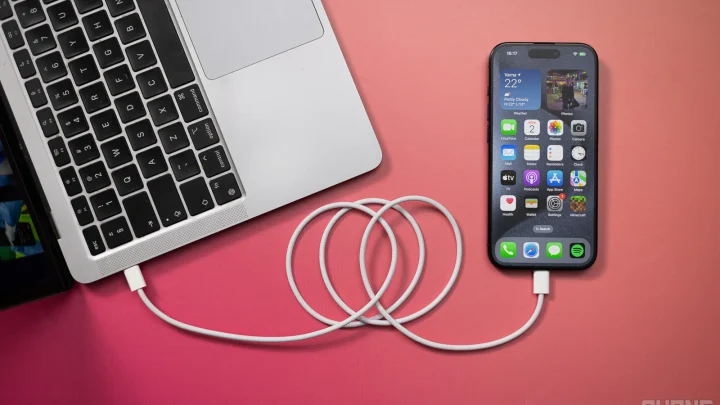
Choosing the correct power for your MacBook Pro starts with understanding its specific energy requirements. Different models have different power needs based on their size, processor, and hardware configuration. Knowing your MacBook Pro’s specifications will help you select the right charger to keep it charged efficiently and safely. Most MacBook Pro models come with varying wattage chargers. For example, the 13-inch MacBook Pro typically uses a 61-watt charger, while larger models might require a 67-watt or 96-watt power adapter. Using a charger with the appropriate wattage ensures fast charging without damaging the battery. It is also essential to consider whether you’ll be using your MacBook Pro heavily or just casually, which impacts the power requirements.Standard Power Adapters for Different MacBook Pro Models
Below is a quick overview of recommended power adapters based on MacBook Pro sizes and configurations:| Model | Standard Charger Wattage | Compatible Chargers |
|---|---|---|
| 13-inch MacBook Pro | 61 watts | 61W USB-C Power Adapter |
| 16-inch MacBook Pro | 96 watts | 96W USB-C Power Adapter |
| 14-inch MacBook Pro | 67 watts or 96 watts (depending on configuration) | 67W or 96W USB-C Power Adapter |
USB-C Power Delivery: What’s Important?
Most recent MacBook Pro models use USB-C Power Delivery (PD) technology. USB-C PD allows for high power transfer and supports fast charging. When selecting a power adapter, ensure it supports USB-C PD with the right wattage for your device. Key points about USB-C PD include:- It enables fast charging, often up to 50% in 30 minutes for some MacBook Pro models.
- Supports bidirectional power flow, meaning your MacBook can also supply power to other devices.
- Requires compatible USB-C cables rated for higher wattages to ensure safety and efficiency.
Can You Use a Higher Wattage Charger?
Yes, you can connect your MacBook Pro to a charger with higher wattage than recommended. The MacBook will only draw the amount of power it needs, so using a 96-watt charger for a 61-watt model is safe and can sometimes speed up charging. However, using a charger with significantly higher wattage may not increase charging speed beyond the device’s limit. Ensure the charger is USB-C PD compatible and certified by Apple or reputable brands. Avoid low-quality or uncertified chargers to protect your device from potential harm.Using Third-Party Chargers and Cables
Many third-party manufacturers produce chargers and cables compatible with MacBook Pro. These can be more affordable and sometimes more portable. However, safety and compatibility are critical factors. Choose third-party accessories with these features:- Certified by reputable safety organizations or Apple’s MFi (Made for iPhone/iPad) program.
- Support the required wattage and USB-C PD standards.
- Have good reviews and come from trustworthy brands.
Battery Life and Power Consumption Tips
Efficient power management extends battery life and reduces the need for frequent charging. Here are some tips to optimize power usage:- Adjust screen brightness to lower levels.
- Close unnecessary applications running in the background.
- Enable energy-saving modes when possible.
- Disconnect peripherals when they are not in use to reduce power drain.
- Keep your software up to date for better power management and security.
Future Trends in MacBook Pro Power Technology
As technology advances, power options for MacBook Pro are evolving. Apple is likely to improve fast-charging capabilities and battery efficiency further in upcoming models. Expected future developments include:- Higher wattage chargers for even faster charging times.
- More sophisticated power management systems embedded in hardware and software.
- Enhanced USB-C and Thunderbolt standards for better power transfer and data speeds.
- Wireless charging solutions, though not yet mainstream for laptops.
Summary: Choosing the Best Power for Your MacBook Pro
Getting the right power setup for your MacBook Pro depends on understanding its model, usage, and compatibility requirements. Always opt for the original or certified chargers that match the wattage specifications recommended by Apple. This ensures safe, efficient, and fast charging. Remember, using the appropriate cable and avoiding cheap alternatives minimizes risks and prolongs your device’s lifespan. Regularly managing power consumption keeps your MacBook Pro running smoothly and extends its battery life. By knowing your model’s specific needs and following the best practices, you can ensure your device remains charged and ready whenever you need it. Proper power management enhances your overall experience with your MacBook Pro and helps you get the most out of your device.Frequently Asked Questions
What is the recommended wattage for charging a MacBook Pro?
The recommended wattage for charging a MacBook Pro varies depending on the model. For MacBook Pro models with a 13-inch display, a 61W power adapter is suitable. Larger models, such as the 15-inch and 16-inch versions, typically require a 87W or 96W power adapter to charge efficiently and support optimal performance.
Can I use a lower wattage charger for my MacBook Pro?
Using a charger with lower wattage than recommended can lead to slower charging times and may not supply enough power for demanding tasks. While it might work for basic use, it’s best to use the charger specified for your MacBook Pro model to ensure reliable operation and to prevent potential battery health issues over time.
Are there universal chargers compatible with MacBook Pro?
Yes, there are universal USB-C chargers designed to work with MacBook Pro models. When selecting a universal charger, choose one with sufficient wattage — ideally matching or exceeding your MacBook’s original adapter. Ensure the charger has proper safety features and is from a reputable manufacturer to protect your device and battery health.
How does wattage affect my MacBook Pro’s performance during use?
The wattage of your charger influences how quickly your MacBook Pro charges and whether it can sustain high-performance tasks while plugged in. A higher wattage charger provides more power, allowing the laptop to run demanding applications without draining the battery as fast and ensuring consistent performance during heavy workloads.
Is it safe to use third-party chargers with my MacBook Pro?
Using third-party chargers can be safe if you choose products that meet Apple’s standards and are certified by relevant safety organizations. Always verify that the charger supplies the correct wattage and has necessary safety features. Avoid cheap, unbranded chargers to prevent potential damage to your MacBook Pro or battery issues.
Final Thoughts
In summary, choosing the right power source for your MacBook Pro depends on your usage needs. High-performance tasks demand a powerful charger with sufficient wattage to ensure fast charging and sustained performance. Understanding what power for MacBook Pro works best helps optimize battery life and device efficiency. A compatible, reliable power adapter enhances your productivity without interruptions. Overall, selecting the appropriate power source ensures your MacBook Pro operates smoothly and meets your work demands effectively.
Similar Posts