Ways To Charge Macbook Pro Effectively And Safely


Effective Ways to Charge Your MacBook Pro
Using the Original Apple Charger
The most reliable way to charge your MacBook Pro is with the original Apple charger that comes with it. This charger is designed specifically for your device, ensuring optimal charging speed and safety. The charger’s wattage matches your MacBook Pro model, providing efficient power delivery.Advantages of Using the Original Charger
- Ensures safe and fast charging
- Maintains battery health over time
- Reduces risk of damage to internal components
Understanding Different Charger Wattages
MacBook Pro models come with chargers of different wattages, such as 61W, 87W, or 96W. The wattage affects how quickly your device charges, with higher wattage chargers providing faster charging times.Matching the Correct Wattage
Always use a charger with the wattage specified by your MacBook Pro model. Using a charger with lower wattage might slow down charging, while higher wattage chargers are safe thanks to built-in protection circuits. Check your model’s specifications before selecting a charger.
Charging via USB-C Port
Most MacBook Pro models use USB-C ports for charging. These versatile ports allow you to connect different power sources and accessories.Benefits of USB-C Charging
- Fast and efficient charging
- Compatibility with multiple power sources
- Supports data transfer and video output
Using a USB-C Power Adapter
Connect your MacBook Pro with a USB-C cable to a compatible power adapter. Ensure the cable and adapter are of high quality and certified to avoid damage or slow charging. Always prefer original or Apple-certified accessories for best results.
Charging with a Portable Power Bank
Portable power banks have become popular for charging MacBook Pros on the go. These devices supply power through USB-C ports and are convenient when you’re away from mains power.Features to Look for in a Power Bank
- High capacity (measured in mAh or Wh)
- Power delivery (PD) support
- Fast charging capabilities
- Multiple output ports
Tips for Using Power Banks
Check that your power bank supports at least 30W to 60W output for efficient charging. Be aware that higher-capacity power banks tend to be heavier, so choose one that balances portability and power.
Wireless Charging Options
Currently, MacBook Pros do not support wireless charging natively. However, some third-party accessories and dock stations are in development.Future of Wireless Charging for MacBook Pro
While not yet mainstream, wireless charging could become an option for MacBook Pros in upcoming models. For now, using wired charging remains the most reliable method.
Charging via Docking Stations
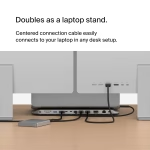
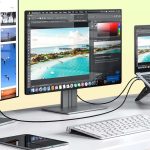
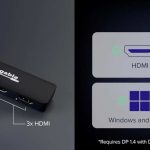
Docking stations can charge your MacBook Pro and expand its connectivity. They often include power delivery ports to provide continuous power while connected to external displays and peripherals.Advantages of Docking Stations
- Charge your MacBook Pro and connect multiple peripherals
- Save desk space with integrated ports
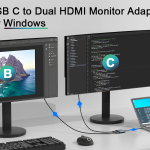
- Support dual monitors and high-speed data transfer
Additional Tips for Optimal Charging
To keep your MacBook Pro battery healthy, avoid letting the battery completely drain frequently. Use the battery management features in macOS to prolong overall battery lifespan.
Using Battery Management Settings
- Enable “Optimized Battery Charging” in system preferences
- Avoid excessive heat during charging
- Charge within the recommended range (20% to 80%) for daily use
Alternative Charging Methods and Considerations
Some users might consider using third-party charging accessories or different cables. Always verify the safety and compatibility of these alternatives with your MacBook Pro.
Risks of Using Non-Official Accessories
- Possible damage to the battery or logic board
- Reduced charging efficiency
- Voiding of warranty in some cases
Frequently Asked Questions
What are the different types of chargers compatible with the MacBook Pro?
MacBook Pro models typically use USB-C power adapters. Depending on your device’s size and power needs, you can choose from 61W, 87W, or 96W chargers. Some older models may still use MagSafe connectors, so it’s essential to verify your MacBook Pro’s specifications. Using a charger that meets or exceeds the recommended wattage ensures efficient and safe charging without damaging the battery.
Can I use third-party chargers to charge my MacBook Pro?
Yes, you can use third-party chargers if they are certified and meet the required power specifications for your MacBook Pro. Look for chargers with USB-C Power Delivery (PD) support and appropriate wattage. However, avoid cheap or uncertified chargers, as they may deliver inconsistent power and potentially harm your device’s battery or internal components.
Is it possible to charge a MacBook Pro using alternative methods?
Yes, you can charge your MacBook Pro using alternatives like a portable USB-C power bank with sufficient wattage, or through a USB-C hub connected to an external power source. Some users also charge their MacBook Pro via the MagSafe connector if their device supports it. These options can be especially useful when you’re away from traditional power outlets or need a quick energy boost during travel.
Final Thoughts
Ways to charge MacBook Pro include using the original USB-C charger, which ensures fast and safe power supply. You can also utilize multiple charging ports or power banks for convenience on the go. Wireless charging isn’t compatible, so sticking to wired options guarantees reliability. Being aware of different methods helps optimize your device’s performance and longevity.
Similar Posts