Is It Safe To Wear Airpods While Sleeping
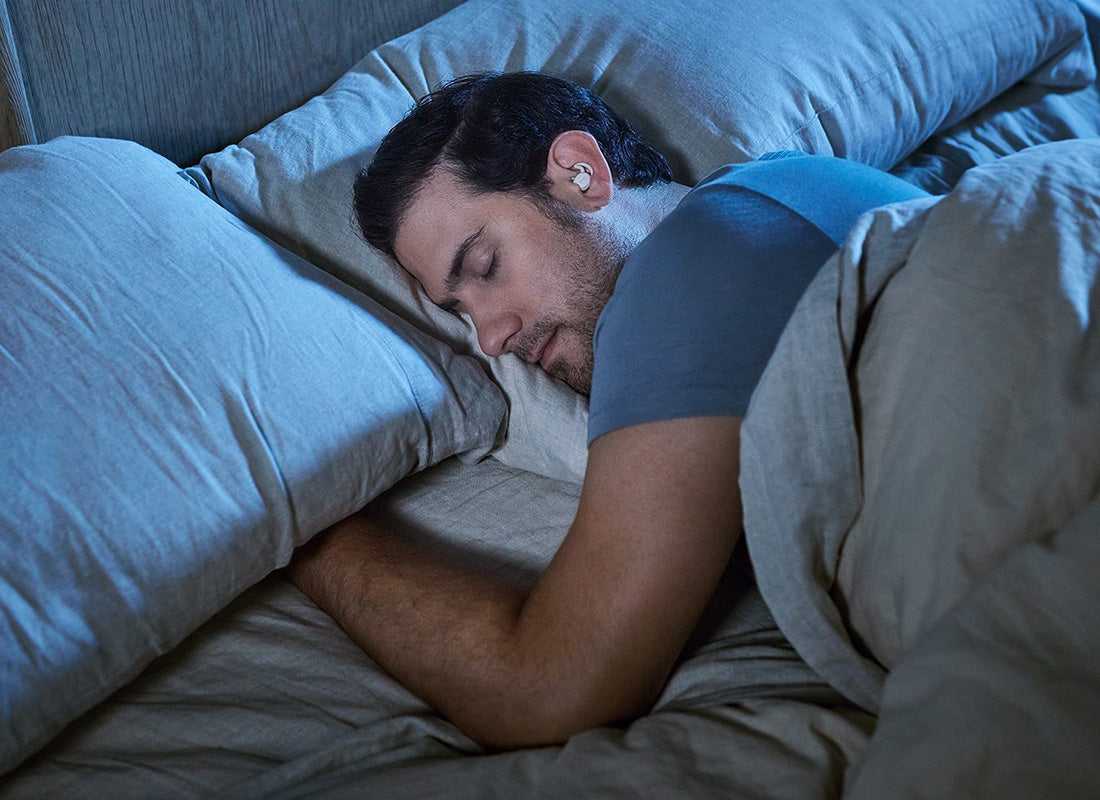
Wearing AirPods while sleeping might seem convenient, but is it truly safe? The quick answer is that it’s generally not recommended due to potential risks like ear damage and reduced sleep quality. While many love the convenience of falling asleep to music or podcasts, long-term use in this manner can pose health concerns. In short, wearing AirPods during sleep isn’t considered entirely safe, mainly because of the risk of ear discomfort, potential hearing damage, and disturbed sleep cycles. It’s better to find alternative ways to enjoy audio while resting. If you do choose to wear them, take precautions like limiting the duration and volume to protect your ears. Many find the idea of drifting off with their favorite playlist comforting, but the reality is that sleeping with AirPods isn’t without risks. Earbuds can cause pressure buildup, discomfort, or even ear infections if worn overnight for extended periods. Additionally, exposure to high volume levels can gradually damage your hearing. Sleep is essential for health and well-being, and disrupting it with uncomfortable or unsafe habits isn’t worth the convenience. Knowing the possible health implications can help you make smarter choices about how—and if—you wear AirPods while sleeping. 
Is It Safe to Wear AirPods While Sleeping?
Understanding the Risks of Wearing AirPods During Sleep
Wearing AirPods while sleeping might seem convenient, but it’s important to consider potential health risks. Extended use of earbuds can cause discomfort or even damage to your ears over time. It’s also crucial to understand how continuous sound exposure impacts your hearing health.Ear Health and Safety Concerns
Prolonged use of AirPods can lead to ear infections if not cleaned properly. Earwax buildup may be pushed further into the ear canal, causing blockages or pain. Additionally, earbuds might irritate sensitive skin inside the ear, especially when worn overnight.Potential for Ear Infections
When AirPods are worn for long periods, moisture and bacteria can accumulate. This creates a breeding ground for bacteria, which may lead to infections. Proper hygiene, such as cleaning AirPods regularly, minimizes this risk.Impact on Ear Hygiene
Wearing AirPods overnight traps moisture in the ear canal. Moisture, combined with warmth, encourages bacterial growth. It’s essential to avoid sharing earbuds and keep them clean to protect your ear health.Hearing Damage and Noise Exposure
Listening to audio at high volumes can cause hearing loss over time. Sleeping with AirPods increases the chance of accidentally listening at unsafe volume levels. Continuous exposure to loud sounds damages delicate auditory cells.The Dangers of Listening at High Volumes
Many people increase volume levels to block out background noise while sleeping. However, volumes above 85 decibels can harm hearing, particularly with prolonged exposure. Using volume limit features can reduce this risk.Unintentional Noise and Disturbances
AirPods might unexpectedly play loud sounds during sleep, such as alerts or notifications. This sudden noise can cause sleep interruptions or startling reactions. It’s also possible to accidentally increase volume during sleep, risking hearing damage.Comfort and Fit When Sleeping
Comfort is a key concern when wearing AirPods overnight. Certain models fit better than others, but long-term use can lead to discomfort or pressure on the ears.Types of AirPods and Their Comfort Level
Apple offers different types of AirPods, including in-ear and over-ear designs. In-ear models like AirPods Pro fit snugly, which might cause soreness after extended wear. Over-ear options tend to be more comfortable for sleeping.Possible Discomfort or Pain
Wearing earbuds for a long time can cause soreness or irritation, especially if they are inserted deeply into the ear canal. For some, earbuds may shift during sleep, leading to discomfort or even minor injury.Alternatives for Safer Sleeping Sound Solutions
If you prefer listening to music or relaxing sounds at night, consider safer alternatives. These options are designed to be comfortable and minimize health risks.Using Sleeping Masks with Built-in Speakers
Specialized sleeping masks contain built-in speakers designed for resting. They deliver sound without inserting anything into the ear canal, reducing risk of infection or discomfort.Sleep-Friendly Sound Machines
White noise machines, nature sound devices, or apps on your phone can provide soothing sounds without risking ear health. Place them at a distance from your bed for the best experience.Over-Ear Headphones Designed for Sleep
Some companies develop soft, comfortable headphones intended for sleep. They are usually flat, lightweight, and do not exert pressure on the ears or head.Best Practices for Using AirPods Responsibly
If you choose to wear AirPods during sleep, follow strict hygiene and safety routines to minimize risks.Limit Usage Time and Volume
Avoid listening at high volumes, and try to limit the duration of use. Set volume limits and take breaks if possible. Use features like automatic volume reduction if available.Maintain Ear Hygiene
Clean AirPods regularly with a damp cloth and avoid sharing them. Keep ears dry and free of excess wax or debris. Remove AirPods if you feel discomfort or pain.Monitor Sleep Quality and Ear Health
Pay attention to how your ears feel after sleeping with AirPods. If you notice discomfort, soreness, or hearing issues, consult a healthcare professional promptly.Understanding the Impact of Bluetooth Radiation
AirPods emit low levels of Bluetooth radiation, which some may worry about. Current scientific evidence suggests that Bluetooth signals are safe for everyday use, but caution is advised during prolonged exposure.Radiofrequency Exposure and Safety
Bluetooth devices operate at very low power levels, comparable to other wireless devices. Studies have not shown conclusive evidence that such exposure causes health problems. Still, limiting usage, especially overnight, can be a cautious approach.Guidelines for Minimizing Exposure
Keep Bluetooth devices at a reasonable distance from your head when not in use. Turn off AirPods when they aren’t needed, particularly during sleep.The Bottom Line
Wearing AirPods during sleep carries certain health risks and discomforts that shouldn’t be ignored. While some people might find it convenient, prioritizing ear health and safety is essential. Using alternative methods to listen to sounds at night can significantly reduce risks.Summary of Key Points
- Prolonged AirPod use can cause ear infections and discomfort.
- High volume levels increase the risk of hearing loss.
- Proper hygiene and limiting usage time improve safety.
- Alternative sleep-friendly sound devices are safer options.
- Bluetooth radiation is considered safe but should be used judiciously.
How Unhealthy Are Your AirPods? | Bluetooth & EMF
Frequently Asked Questions
What are the potential risks of wearing AirPods during sleep?
Wearing AirPods while sleeping can cause discomfort and may lead to ear infections if they are not kept clean. Additionally, prolonged use could put pressure on your ears, resulting in soreness or pain, especially if the AirPods are inserted deeply or worn for long periods.Can wearing AirPods disrupt sleep quality?
Yes, AirPods can interfere with your sleep cycles, particularly if they emit sounds or notifications during the night. The presence of devices in your ears might also cause discomfort, making it harder to fall asleep or stay asleep comfortably.Is there a risk of damaging your hearing by sleeping with AirPods?
Sleeping with AirPods at high volume levels can increase the risk of hearing damage over time. Continuous exposure to loud sounds, especially in a quiet environment, can harm your ear health, so it’s important to keep the volume moderate and limit usage during sleep.Could wearing AirPods while sleeping cause physical harm?
Keeping AirPods in your ears throughout the night might lead to accidental injury, such as ear canal irritation or pressure marks. There’s also a risk of the AirPods falling out, which could cause discomfort or damage to the device itself.Are there safer alternatives for listening to audio during sleep?
Yes, using sleep-specific devices like sleep earbuds or pillow speakers can provide a more comfortable and safer experience. These options reduce pressure on your ears and are designed to be worn for extended periods without causing discomfort or health issues.Final Thoughts
Wearing AirPods while sleeping can pose risks, such as discomfort or potential ear infections if used improperly. Prolonged use may also lead to earwax buildup or damage to hearing. Considering these factors, it is generally not safe to wear AirPods while sleeping. Protect your ear health and avoid unnecessary risks. In summary, the answer to ‘is it safe to wear airpods while sleeping’ leans toward caution. Prioritize safety and comfort by removing earbuds before sleeping.
Similar Posts