Iphone Setting Reset
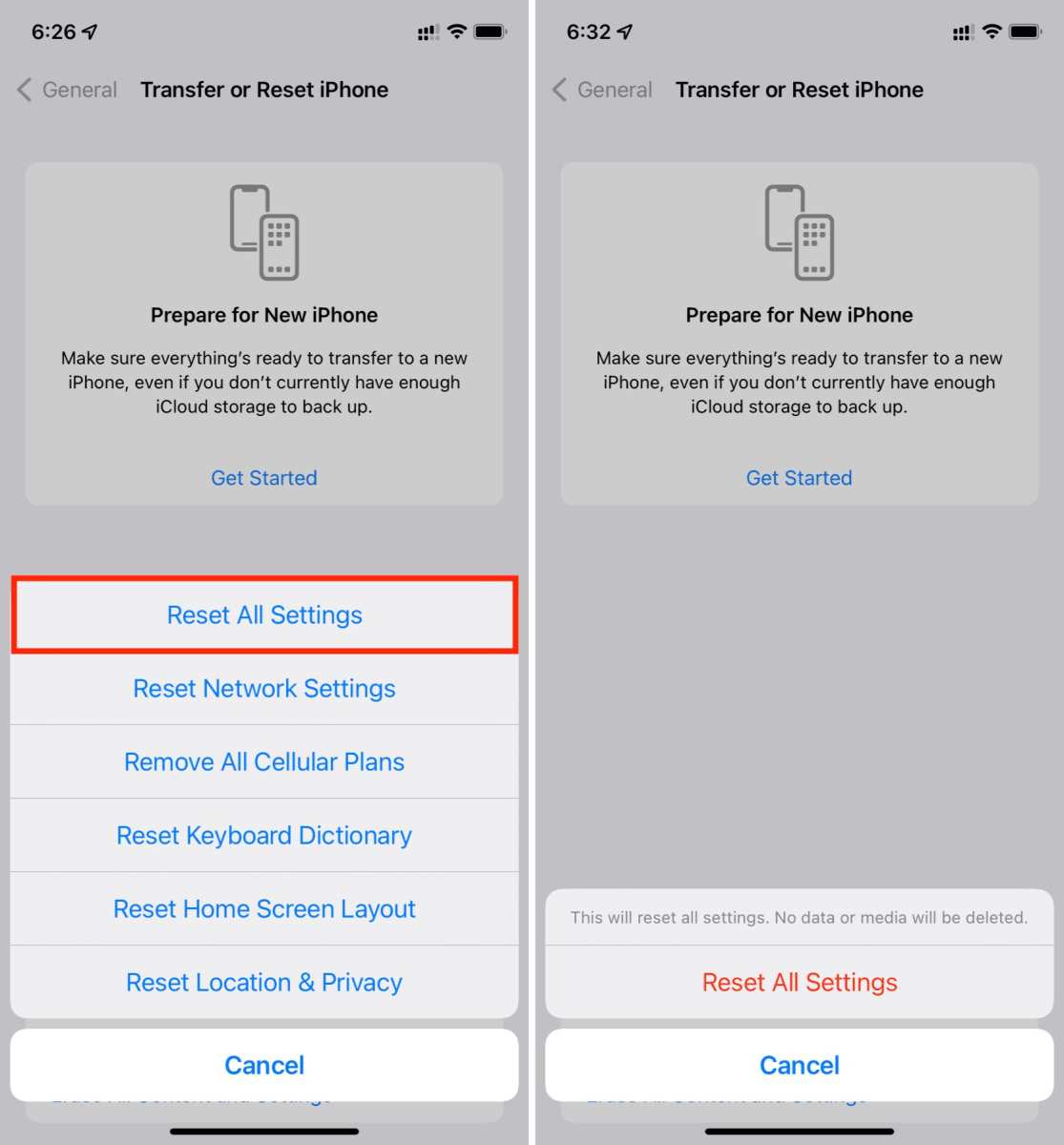
If your iPhone isn’t responding well or your settings feel cluttered, a quick solution is to perform an iphone setting reset. **This action restores your device to its default state, fixing many common issues.** Resetting settings doesn’t delete your data, but it clears personalized preferences. It’s a simple step that can refresh your iPhone’s performance and resolve configuration problems efficiently.

Understanding the iPhone Setting Reset: What It Means and Why You Might Need It
When your iPhone starts acting up, freezes, or behaves in ways you don’t expect, resetting your settings can be a handy solution. But what exactly does an iPhone setting reset do? And when should you consider doing it? In this section, we’ll go over everything you need to know about resetting your iPhone’s settings, including what gets reset, how it can help, and the potential consequences.
What Is an iPhone Setting Reset?
An iPhone setting reset is a process that wipes all customized settings you’ve made on your device. This includes things like Wi-Fi passwords, device preferences, notification settings, and more. But it does not erase your personal data like photos, messages, or apps.
Imagine your iPhone as a notebook filled with your unique preferences. Resetting settings is like restoring your notebook to its factory page—pretty much starting fresh with default settings. This can fix issues that stem from incorrect or conflicting settings.
Why Should You Reset Your iPhone Settings?
People often choose to reset their iPhone settings when they experience problems such as:
- Connectivity issues, like Wi-Fi or Bluetooth problems
- Unresponsive or lagging apps
- Unusual battery drain
- Problems with notifications or sounds
- Device errors following software updates
- Persistent glitches that don’t resolve with a typical restart
Resetting settings is usually a quicker and safer step than performing a full erase and restore, especially if you want to keep your personal data safe while fixing device issues.
What Settings Get Reset with an iPhone Reset?
When you choose to reset your iPhone settings, a specific set of preferences and configurations are reverted to their defaults. Here’s what typically gets affected:
| Item | Description |
|---|---|
| Wi-Fi Settings | All saved networks and passwords are erased, and you’ll need to reconnect to Wi-Fi networks. |
| Bluetooth Settings | Paired devices are forgotten, requiring re-pairing. |
| Notification Preferences | Custom notification settings revert to default. |
| Display & Brightness | Screen brightness, timeout, and display settings reset. |
| Privacy Settings | Location services, app permissions, and other privacy options go back to original configurations. |
| Keyboard Settings | Languages, shortcuts, and keyboard preferences are reset. |
| Sound Settings | Volume levels, ringtones, and notification sounds reset to default. |
| General Settings | Includes resets for date & time, language, and region settings. |
Remember, resetting settings doesn’t delete your personal content, but it can change many of your device’s behaviors.
How to Perform an iPhone Setting Reset
Performing a reset is straightforward, but it’s important to follow the correct steps to avoid confusion. Here’s a step-by-step guide:
- Open the Settings app on your iPhone.
- Scroll down and tap on General.
- Find and select Reset.
- Tap on Reset All Settings.
- Enter your passcode if prompted.
- Confirm your choice by tapping on Reset All Settings again.
Your iPhone will restart, and the reset process will begin. It might take a few moments, so be patient during this process.
Precautions Before Resetting Your iPhone Settings
Although resetting settings is safe and does not erase your personal data, there are some precautions to keep in mind:
- Backup Wi-Fi passwords: Since Wi-Fi networks are erased, make sure you remember or have saved your passwords elsewhere.
- Re-pair Bluetooth devices:
- Note custom settings: If you have specific configurations for apps or accessibility features, write down or take screenshots of these settings.
- Consider a backup: While resetting settings won’t delete personal data, making a full backup before any major change is always wise.
Devices like headphones or car systems need to be paired again after reset.
When Should You Not Reset Your iPhone Settings?
While resetting can fix many issues, it’s not the best solution for everything. For example, if your problem involves data loss, app corruption, or hardware malfunctions, other steps might be more appropriate.
Avoid resetting settings if:
- You suspect a hardware problem, such as a faulty screen or battery.
- Your device is severely slow and the issue might require a full restore or service.
- You notice persistent app crashes or data loss, which could indicate deeper software issues.
In these cases, consider other troubleshooting steps like restoring your iPhone via iTunes or contacting Apple support.
After the Reset: What to Expect
Once you reset your iPhone settings, you’ll notice some immediate changes:
- Wi-Fi connections are lost: Reconnect to your preferred networks.
- Bluetooth devices need to be re-paired.
- Notification preferences go back to default.
- Display and sound settings revert to factory defaults.
- Privacy and location settings reset.
Take this time to customize your settings again if necessary, and see if the problems you experienced before have been resolved.
Tips for Maintaining Your Optimized iPhone Settings
To keep your iPhone running smoothly after resetting, here are some best practices:
- Regularly update your iOS software for the latest fixes and features.
- Keep a record of important settings like Wi-Fi passwords and app permissions.
- Restart your device periodically to clear temporary glitches.
- Back up your device frequently to save your data and settings.
- Limit changes to settings unless necessary to prevent conflicts or errors.
By managing your settings carefully, you ensure your iPhone functions smoothly and minimizes the need for future resets.
Summary
Resetting your iPhone settings can be a powerful, simple way to address many common device issues without erasing your data. Understanding what a reset does and how to perform it ensures you can troubleshoot confidently. Always prepare by backing up essential information, and remember that while resetting can fix many problems, some issues may require more advanced solutions. Whether you’re fixing connectivity problems, restoring default preferences, or clearing glitches, resetting settings remains a useful tool in your iPhone troubleshooting kit.
Frequently Asked Questions
How do I reset all settings on my iPhone without deleting my data?
To reset all settings without losing your data, go to Settings > General > Reset > Reset All Settings. Confirm your choice, and your iPhone will reset system settings like Wi-Fi passwords, display preferences, and privacy settings, but your personal data such as photos and messages will remain intact.
What should I do if my iPhone is unresponsive after resetting settings?
If your iPhone becomes unresponsive after resetting settings, try performing a force restart. On most models, press and hold the power button and volume down button simultaneously until the Apple logo appears. If issues persist, consider restoring your device through iTunes or Finder and consult Apple Support for further assistance.
Can resetting settings resolve connectivity issues on my iPhone?
Yes, resetting all settings can often fix connectivity problems related to Wi-Fi, Bluetooth, or cellular data. This process clears potential misconfigurations that might be causing the issues. After resetting, you may need to re-enter Wi-Fi passwords and reconnect Bluetooth devices.
Will resetting my iPhone settings delete any saved passwords or app data?
No, resetting all settings does not delete your saved passwords, app data, or personal files. It only restores system preferences to their default state. You will need to reconfigure settings like network connections and notifications afterward.
Is it safe to reset settings on my iPhone regularly?
Resetting settings occasionally can help resolve persistent issues and improve device performance. However, doing it too frequently might be inconvenient as you’ll need to reapply custom settings. Use this option when experiencing specific problems that cannot be fixed through other troubleshooting steps.
Final Thoughts
Performing an iPhone setting reset can resolve many common issues quickly. It clears temporary files and restores default configurations, enhancing device performance.
Always back up your data before resetting to prevent loss.
A reset helps improve speed, fix glitches, and restore functionality.
In conclusion, an ‘iphone setting reset’ offers a simple way to refresh your device and address persistent problems effectively.

Similar Posts