Iphone Setting Home Button: How To Customize And Optimize

iPhone Setting Home Button
The home button on your iPhone is more than just a physical button; it’s a gateway to many features, shortcuts, and customizations that enhance your overall user experience. Whether you have an older iPhone model with a physical home button or a newer one with a virtual home button, understanding how to set, customize, and troubleshoot this feature is essential. In this guide, we will explore everything you need to know about configuring your iPhone’s home button so that it works exactly the way you want. From basic settings to advanced customization options, you’ll find detailed information to make your iPhone more personal and easier to use.Understanding the iPhone Home Button
Before diving into setting options, it helps to understand what the home button does and how it functions on different iPhone models.The Physical Home Button
Older iPhone models like the iPhone 8 and earlier feature a physical home button that:- Allows you to return to the home screen quickly
- Supports Touch ID for secure authentication
- Can be pressed to activate Siri or access app switcher
The Virtual Home Button (AssistiveTouch)
On newer models like the iPhone X and later, the physical home button is replaced with a virtual button:- Accessible via software through AssistiveTouch
- Offers similar functionalities as the physical button
- Can be customized to perform different actions
Setting Up the Home Button on Older iPhones
If you own an older iPhone with a physical home button, customizing it involves adjusting settings related to Touch ID, button sensitivity, and shortcut functions.Enabling or Disabling Touch ID
Touch ID allows you to unlock your iPhone, authenticate app purchases, and authorize payments. To manage Touch ID settings:- Open the Settings app.
- Tap on Touch ID & Passcode.
- Enter your passcode if prompted.
- Use the toggle to enable or disable Touch ID for features like unlocking iPhone, iTunes & App Store, or Safari.
Adjusting Home Button Sensitivity and Click Speed
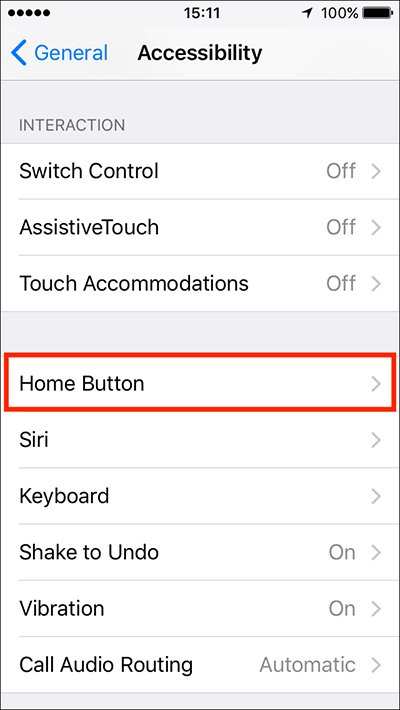
Some users prefer different levels of responsiveness:- Within Accessibility settings, select Home Button.
- Adjust the slider for Click Speed to suit your preference.
- Enable or disable Rest Finger to Open to improve unlocking speed with Touch ID.
Customizing Home Button Shortcuts
You can assign specific functions to the home button:- Navigate to Settings > Accessibility > Home Button.
- Choose options like Click Speed, Rest Finger to Open, or AssistiveTouch.
- For additional customization, use AssistiveTouch (see below).
Setting Up AssistiveTouch for Virtual Home Button
Since newer iPhones lack a physical home button, AssistiveTouch becomes the main tool for custom functions:Enabling AssistiveTouch
- Open Settings.
- Go to Accessibility.
- Select Touch, then tap on AssistiveTouch.
- Toggle the switch to turn AssistiveTouch on.
Customizing the AssistiveTouch Menu
You can personalize what options appear when you tap the virtual button:- Tap on Customize Top Level Menu.
- Add, remove, or rearrange icons such as Home, Device, Control Center, or Siri.
- To replace the default Home button, tap on an existing icon and select a new action or app.
Assigning Custom Actions
AssistiveTouch allows quick access to specific features:- Tap Customize and select an icon.
- Choose actions like Screen Recording, Screenshot, or Volume Control.
- This creates a personalized shortcut that you can use anytime.
Using Siri as a Home Button Alternative
If you prefer voice commands:- Go to Settings > Siri & Search.
- Enable Listen for “Hey Siri” or Press Side Button.
- This allows you to perform many home button functions just by asking Siri, such as unlocking your device or opening apps.
Tips for Troubleshooting Home Button Issues
Sometimes, your home button may stop working properly. Here’s what you can do:Cleaning the Home Button
- Turn off your iPhone.
- Use a soft, lint-free cloth slightly dampened with water or alcohol to gently clean around the button.
- Ensure no debris is stuck inside.
Reset Settings
If cleaning doesn’t work:- Open Settings.
- Go to General > Reset.
- Select Reset All Settings. This resets system preferences without deleting your data.
Update iOS
Keeping your device updated can fix bugs:- Navigate to Settings > General > Software Update.
- If an update is available, download and install it.
Contact Support
If your home button still doesn’t work:- Visit an Apple Store or authorized service provider for repairs or replacements.
Customizing Accessibility Features for Better Home Button Use
Accessibility options can make home button usage easier:- Enable AssistiveTouch for virtual button options.
- Adjust Touch Accommodations under Accessibility > Touch > Touch Accommodations for sensitive users.
- Use Switch Control to operate your device with external switches if physical buttons are difficult to use.
Frequently Asked Questions
How can I change the function assigned to the home button on my iPhone?
To modify the function of your iPhone’s home button, go to Settings > Accessibility > Home Button. From there, you can customize features like Double Click, Tap, and Click Speed. Additionally, you can enable or disable features such as Siri or Accessibility Menu to better suit your preferences.
What steps should I follow to enable AssistiveTouch as a replacement for the physical home button?
Navigate to Settings > Accessibility > Touch > AssistiveTouch. Turn on AssistiveTouch to activate an on-screen button that provides quick access to Home, Notifications, and other functions. You can also customize the menu options to include the most frequently used features for easier access.
Can I disable the haptic feedback when pressing the home button?
Yes, you can disable haptic feedback by going to Settings > Sounds & Haptics. Scroll down to the system haptics section and toggle off the option for Haptic Feedback. This change reduces the vibration sensation when you press the home button, providing a quieter experience.
Final Thoughts
The ‘iphone setting home button’ allows users to customize their device for easier navigation. Adjusting the sensitivity or enabling accessibility features makes your iPhone more comfortable to use. By exploring these settings, you personalize your phone experience effectively. Taking a few moments to configure your home button enhances overall usability. In conclusion, tweaking the ‘iphone setting home button’ helps create a more intuitive user experience. Small adjustments can make a big difference in daily phone use.
Similar Posts