Iphone Setting For International Travel Tips And Setup

iPhone Setting for International Travel
Traveling to new countries is exciting, but it can come with some tech challenges, especially when it comes to your iPhone. No matter where you go, you want to stay connected, access maps, use your favorite apps, and keep your data safe—all without running up high roaming charges. Setting up your iPhone correctly before you jet off makes a big difference. Let’s explore in detail how you can optimize your iPhone settings for smooth international travel.Understanding the Basics of International Compatibility
Before diving into specific settings, it helps to understand some basic facts about how your iPhone interacts with different networks around the world.- Unlocked vs. Carrier-Locked Devices: An unlocked iPhone can work with SIM cards from different carriers worldwide. If your phone is locked to a specific carrier, you’ll need to get it unlocked before traveling, or you might not be able to use local SIM cards.
- Supported Network Bands: Different countries and carriers use various frequency bands. Most recent iPhones support a wide range of bands, but checking your specific model’s compatibility ensures you stay connected abroad.
- eSIM Compatibility: Some newer iPhone models support eSIMs, allowing you to activate a plan without a physical SIM card. This feature can be very handy when traveling internationally.
Choosing the Right SIM Card or eSIM for Your Trip
One of the most important decisions for international travel is whether to use your home carrier’s roaming service or switch to a local SIM card or eSIM.Using Your Home Carrier’s Roaming Service
– Check with your carrier before you go to understand their international plans. – Find out about roaming charges—that can supplement your monthly bill significantly. – Some carriers include unlimited international data, but most charge extra fees. – Enable international roaming in your iPhone settings to ensure it’s active before you leave.Opting for a Local SIM Card
– Purchase a SIM card at your destination to get local rates. – Usually, you can buy SIM cards at airports, convenience stores, or carrier shops. – You’ll need an unlocked iPhone to use a local SIM card. – Insert the local SIM into your iPhone, which often requires a quick setup in settings.Using an eSIM for Travel
– Check if your iPhone supports eSIM technology. – Purchase an eSIM plan from local or international providers online. – Follow the provider’s instructions to scan QR codes or enter activation information. – An eSIM allows you to keep your home number active while also having a local plan.Adjusting iPhone Settings for International Travel
Properly configuring your iPhone settings ensures you don’t face connectivity issues or unexpected charges.Enable Airplane Mode and Selectively Turn On Wi-Fi
– Turn on **Airplane Mode** when you arrive at your destination to disable cellular and Wi-Fi connections. – Manually turn Wi-Fi back on to connect to local networks without incurring roaming charges. – This method helps you avoid accidental data usage over cellular networks.Manage Cellular Data Settings
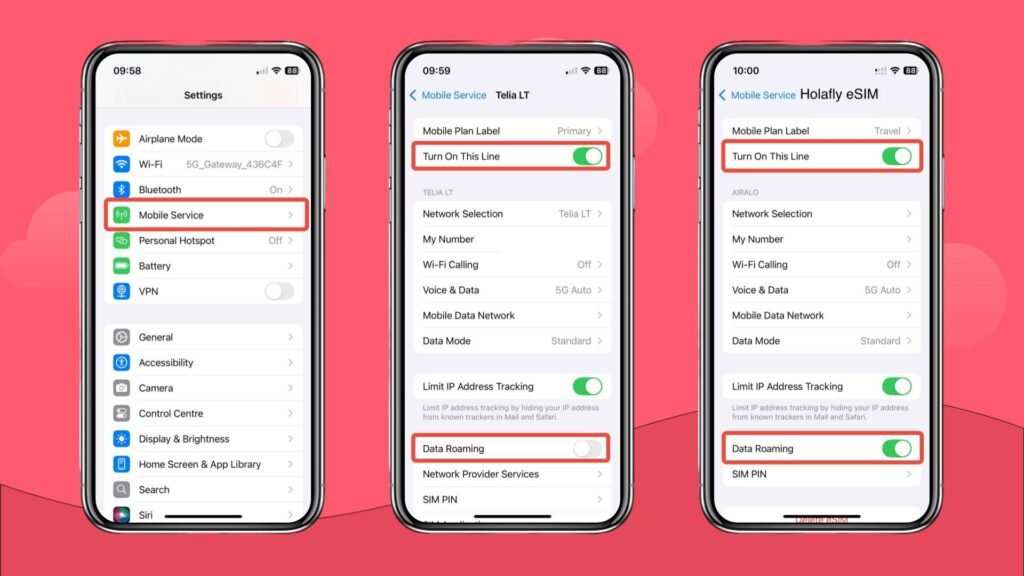
– Go to **Settings > Cellular**. – Toggle **Cellular Data** to off if you want to prevent any data use. – To use data only on Wi-Fi, turn off **Data Roaming**. – Enable **Data Roaming** only if you need mobile internet outside of Wi-Fi zones, but use it with caution due to potential charges.Set Up Data Usage Alerts and Limits
– Use **Settings > Cellular > Usage** to monitor how much data you’ve used. – Consider installing apps that alert you when you reach your data limit. – Many carriers allow setting data caps or alerts directly through their apps.Maximizing Connectivity with Hotspots and Wi-Fi
Using Wi-Fi effectively keeps your costs down and your phone connected.Connecting to Wi-Fi Networks
– Always ask for passwords at hotels, cafes, and airports. – Use trusted and secure Wi-Fi networks to protect your data. – For public Wi-Fi, consider using a VPN (Virtual Private Network) to keep your connection safe.Using Your Phone as a Hotspot
– If your plan allows, turn on **Personal Hotspot** in **Settings > Personal Hotspot**. – Connect your other devices to your iPhone’s Wi-Fi network. – Be mindful that using your phone as a hotspot can consume data quickly and drain your battery.Adjusting Language and Regional Settings for Ease of Use
Switching your iPhone to the local language and regional settings makes it easier to navigate menus and understand local content.- Go to **Settings > General > Language & Region**.
- Select the preferred language used in your destination country.
- Change **Region** to match your current location for correct date, time, and local formats.
Managing Notifications and App Settings for Travel
– Disable unnecessary notifications to save battery life. – Update your apps before traveling to ensure smooth operation. – Consider turning off automatic app updates if you’re concerned about data usage.Battery Optimization Tips for International Travel
Battery life becomes more critical when you’re abroad and away from charging options.- Enable Low Power Mode in **Settings > Battery**.
- Reduce screen brightness manually or set auto-brightness to off.
- Turn off Bluetooth and location services when not in use.
- Use airplane mode when cellular service is weak to save power.
Security Tips for International Use
Staying safe on your trip involves securing your device and data.- Enable **Find My iPhone** to locate or lock your device if lost.
- Use strong, unique passwords for your Apple ID and other apps.
- Install a trusted VPN app to protect your browsing on public Wi-Fi.
- Keep your software updated to patch security vulnerabilities.
Additional Tips for a Smooth International iPhone Experience
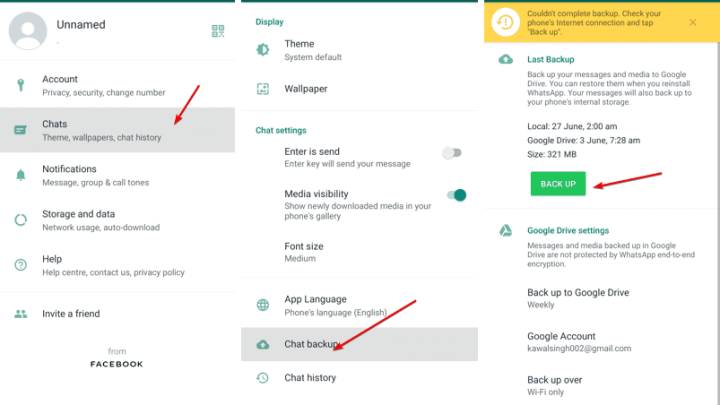
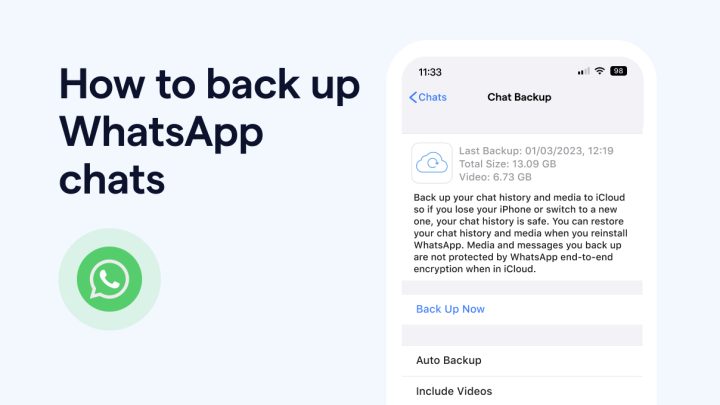
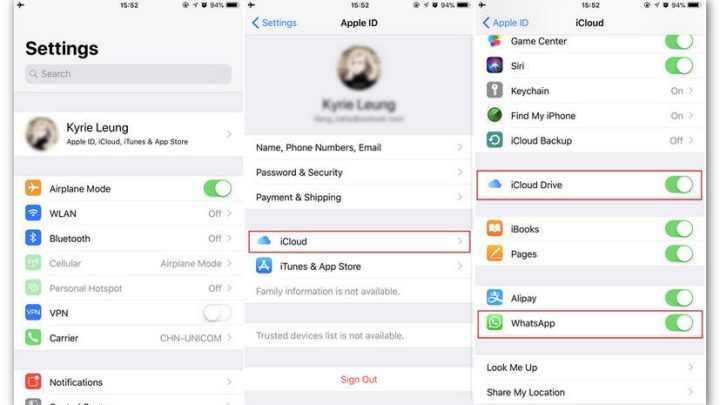
– Always back up your iPhone before traveling; use iCloud or iTunes. – Carry a portable power bank to keep your device charged. – Download offline maps and important documents in advance. – Know the emergency contact numbers for your destination country. By taking these steps and adjusting your iPhone settings before hitting the road, you prepare yourself for a smooth, connected, and safe international trip. Proper planning ensures you focus on enjoying your travels rather than worrying about tech issues.Frequently Asked Questions
How can I manage my roaming settings before traveling internationally with my iPhone?
Before traveling abroad, check your cellular settings to ensure that data roaming is enabled or disabled according to your preferences. Go to Settings > Cellular > Cellular Data Options, and toggle the Data Roaming switch on if you need internet access outside your home network. Contact your carrier to confirm international roaming rates and packages to avoid unexpected charges. It’s also helpful to review your plan to understand how charges apply when using your iPhone internationally.
What is the best way to set up a local SIM card on my iPhone for international travel?
To use a local SIM card, ensure your iPhone supports its size and network bands. Power off your device, remove the current SIM card, and insert the local one. Turn on your iPhone and go to Settings > Cellular to check if the new SIM is recognized. You might need to update your carrier settings through a prompt or manually input specific APN details provided by the local carrier. Remember to keep your original SIM safe if you wish to switch back upon returning home.
How can I customize my notifications and data usage during international trips?
Adjust notification settings by navigating to Settings > Notifications and choosing which apps can send alerts. To control data consumption, go to Settings > Cellular and review which apps have permission to use cellular data. Disable or restrict background app refresh for apps you don’t need during travel to conserve data. Monitoring your data usage regularly helps prevent overages, and enabling Low Data Mode under Settings > Cellular > Cellular Data Options can further reduce data consumption.
What steps should I take to ensure my iPhone’s language and region settings are correct for my travel destination?
Update your language and regional settings to match your destination for a smoother experience. Visit Settings > General > Language & Region, and select the appropriate language and region. Changing these settings can improve local app compatibility, date and time formats, and keyboard options. If you plan to use local services, adjusting these preferences simplifies navigation and communication during your trip.
How can I prepare my iPhone to avoid security issues while using public Wi-Fi abroad?
To protect your device on public networks, enable a VPN to encrypt your internet traffic. Turn off sharing options like AirDrop, Bluetooth, and Personal Hotspot unless needed. Keep your device’s software updated to ensure security patches are in place. Use strong, unique passwords for accounts, and avoid accessing sensitive information over unsecured Wi-Fi. Additionally, enable two-factor authentication for important accounts for added protection during your travels.
Final Thoughts
Optimizing your iPhone for international travel ensures seamless communication. Adjust your settings beforehand to avoid connectivity issues and extra charges. Enable airplane mode, then turn on Wi-Fi for local networks and go to cellular options to select a suitable plan. Remember to set your region and language preferences to match your destination. Updating your carrier settings can prevent service interruptions. In conclusion, the iPhone setting for international travel helps you stay connected effortlessly. Properly configuring these settings allows you to enjoy your trip without tech worries.
Similar Posts