How To Update Iphone Software Without Errors: A Simple Guide

How to update iPhone software without errors
Understanding the importance of updating your iPhone
Keeping your iPhone software current is essential for security, performance, and new features. Outdated software can make your device vulnerable to security threats and cause app compatibility issues. Regular updates help your iPhone run smoothly and efficiently.Common errors encountered during iPhone updates
Many users face errors like failed updates, stuck progress bars, or error messages such as “Unable to verify update.” These issues can stem from network problems, insufficient storage, or software glitches. Understanding these common errors helps you know how to fix them effectively.Preparation steps before updating your iPhone
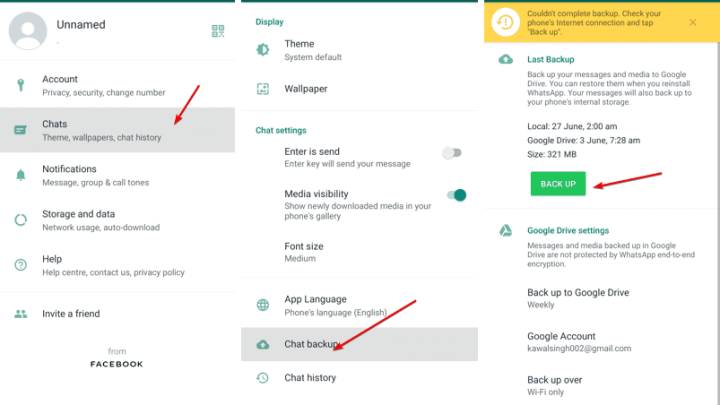
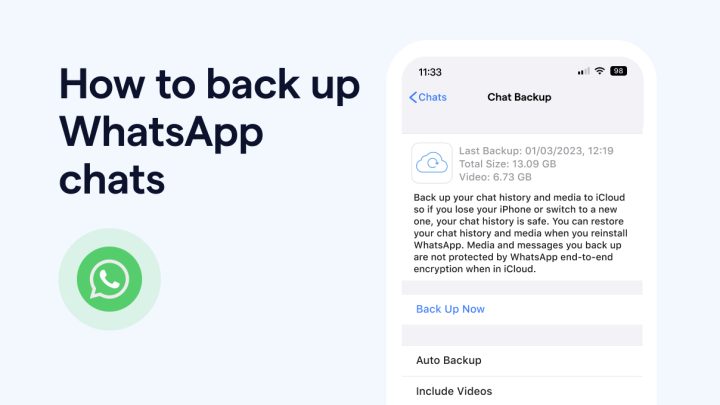
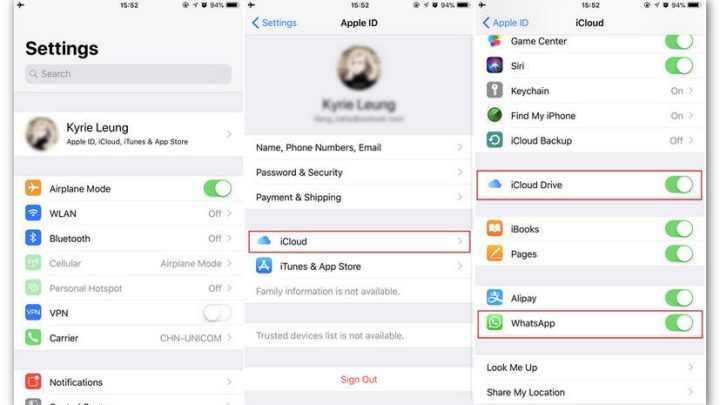
Before starting an update, ensure your iPhone is ready. Back up your data to avoid loss if something goes wrong. Charge your device to at least 50 percent to prevent power interruption during the process. Connect to a reliable Wi-Fi network for a faster, more stable update.Check your device’s compatibility
Not all iPhones support every iOS update. Verify your device model supports the latest version by visiting Apple’s official compatibility list. Updating an unsupported device could lead to errors or performance issues.Ensure sufficient storage space
Updates require extra storage space. Check your iPhone’s storage by going to Settings > General > iPhone Storage. Free up space by deleting unnecessary apps, photos, or files to prevent update failures caused by lack of space.Stable internet connection
A strong Wi-Fi connection is vital for updating your iPhone effectively. Avoid using mobile data, which can be slower or unstable during large downloads. Restart your Wi-Fi router if you experience connectivity issues.Update through Settings or iTunes
You can update your iPhone using two main methods. The first is over-the-air (OTA) via Settings > General > Software Update. The second is via iTunes or Finder on a computer, which is useful if OTA updates fail.Using OTA (Over-the-Air) Update
Open Settings and tap General, then select Software Update. If an update is available, tap Download and Install. Follow the prompts to complete the process. Make sure your device stays connected to Wi-Fi and power during the update.Updating via iTunes or Finder
Connect your iPhone to a computer using a lightning cable. Open iTunes or Finder and select your device. Click Check for Update, then choose Download and Update. This method can fix errors encountered during OTA updates.Troubleshooting common update errors
If errors occur, try restarting your device and Wi-Fi router. Ensure your device has enough storage and power. Update your iPhone using different network settings if necessary.Fixing stuck updates or errors
Force restart your iPhone by pressing specific buttons for your model. If the update stalls, delete the downloaded update file and restart the process. You can also reset network settings to resolve connectivity problems.Resolving errors related to insufficient storage
Go to Settings > General > iPhone Storage. Delete unwanted apps, photos, or files. Offload unused apps to free space without losing data. Consider backing up and restoring your device if storage issues persist.Updating your iPhone in recovery mode
If your device is unresponsive or displays errors, updating in recovery mode may help. Connect the iPhone to a computer, open iTunes or Finder, then force restart your device while connected. Choose Update when prompted.Utilizing third-party tools for error-free updates
Some software tools can help manage updates without errors. These tools offer features like clean-up options, error fixing, and backup management. Always use trusted software recommended by Apple to avoid security risks.Best practices for a smooth update process
Always back up your data before updating. Keep your device connected to power and Wi-Fi. Avoid multitasking during the update to prevent interruptions. Regularly check for updates to stay current with the latest features and security patches.Advanced tips for avoiding update errors
Disable VPNs or firewalls that might interfere with the update process. Temporarily turn off security software on your computer if using iTunes. Ensure your operating system is current for compatibility with the latest iOS versions.Monitoring the update process
Stay nearby during the update to handle any prompts or errors quickly. Do not disconnect your device or turn it off unless instructed. Once the update completes, verify your device is functioning properly.Post-update steps after a successful update
Check that all apps function correctly and that your data is intact. Update any apps that require latest versions for compatibility. Review new settings or features introduced in the update.Keeping your iPhone updated regularly
Set automatic updates in Settings > General > Software Update. Regular updates help prevent errors and security issues, ensuring your device performs optimally. Check for updates periodically even if not prompted.Related topics to consider
Explore topics such as managing iPhone storage effectively, restoring from backups, and troubleshooting specific iOS errors. These practices complement smooth software updates and device maintenance. By following these detailed steps, you can update your iPhone software without encountering errors. Staying proactive and prepared helps you enjoy new features and enhance your device’s security and performance.Frequently Asked Questions
What steps should I follow to prevent errors during an iPhone software update?
To avoid errors, ensure your iPhone has sufficient storage space before updating. Connect your device to a reliable Wi-Fi network and keep it connected to power throughout the process. Also, check for any existing iOS issues by resetting network settings or restarting your device. Updating via iTunes or Finder on a computer can sometimes help resolve persistent errors, so consider these options if you encounter problems.
How can I troubleshoot update errors caused by insufficient battery charge?
Make sure your iPhone is charged to at least 50% or connect it to a power source before initiating the update. Avoid updating when your battery is critically low, as insufficient power can interrupt the process and cause errors. If your device isn’t charging properly, check your charging cable and adapter or try restarting your iPhone before attempting the update again.
What should I do if the update gets stuck or fails midway?
If the update stalls or fails during installation, force restart your iPhone to clear temporary glitches. Verify your internet connection and try updating again when the connection stabilizes. If issues persist, update via iTunes or Finder on a computer, ensuring you are using the latest version of iTunes or macOS. This method often helps bypass errors that occur during OTA updates.
Are there any precautions to take before performing a software update to avoid data loss?
Yes, back up your iPhone to iCloud or your computer before starting the update. This ensures you can restore your data if something goes wrong during the process. Also, verify your backup is complete and up-to-date. Avoid interrupting the update once it begins, and ensure your device has enough storage space to accommodate the new software.
How can I identify and fix compatibility issues that might cause update errors?
Check Apple’s official release notes to confirm your device model supports the latest iOS version. Remove incompatible apps or data that might interfere with the update. Updating your device’s software in a clean environment—preferably via iTunes or Finder—can also help prevent compatibility problems and ensure a smooth installation.
Final Thoughts
Updating your iPhone software without errors is simple if you follow a few key steps. First, ensure your device has enough storage space and is charged sufficiently. Use a stable Wi-Fi connection to prevent interruptions during the update process. If you encounter issues, restart your iPhone or update through iTunes for better control. In conclusion, to update iPhone software without errors, keep your device ready, stay connected to a reliable network, and perform updates carefully. By following these tips, you minimize potential problems and keep your iPhone running smoothly.
Similar Posts