Steps To Reset Iphone Without Losing Data: Easy Guide
If your iPhone isn’t working quite right, a reset can often do the trick—but the thought of losing precious data makes you hesitate. The good news is, you can reset your iPhone without losing any important information if you follow the right steps. A soft or hard reset can fix glitches, free up space, or troubleshoot issues without erasing your apps, photos, or messages. In this article, I’ll guide you through simple and safe methods to reset your iPhone while keeping all your data intact. Whether you want to restart your device or perform a more thorough reset, these tips will help you do it hassle-free and keep your data secure. So, let’s get your iPhone back in shape without any data loss!

Steps to Reset iPhone Without Losing Data
Understanding Why You Might Need to Reset Your iPhone
Resetting your iPhone can fix many issues like frozen screens, slow performance, or app crashes. Sometimes, you want to reset it to troubleshoot problems without deleting your data. Knowing the right way to reset ensures your important files stay safe while fixing your device.
Types of iPhone Resets and Their Differences
There are different ways to reset an iPhone, each suited for specific needs. A soft reset simply restarts the device and doesn’t delete any data. A hard reset or force restart is used when your device isn’t responding. Factory reset erases everything and reverts to original settings, but can be done carefully to keep your data safe.
Preparing Your iPhone Before Resetting
Before resetting your device, always back up your data. This creates a copy of your photos, messages, and apps. You should also make sure your device has enough battery life or connect it to a charger. Updating your iOS to the latest version can also prevent issues during resetting.
How to Back Up Your iPhone Data
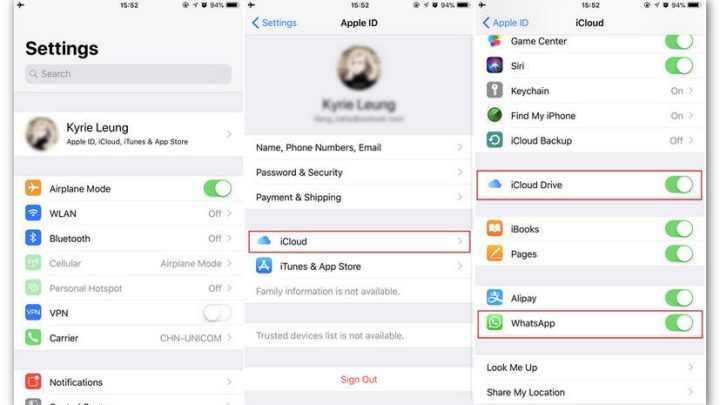
Backing up is essential to avoid data loss. You can back up via iCloud or iTunes/Finder on a computer. For iCloud backup, go to Settings, tap your name, then select iCloud, and choose “Backup.” Ensure your device is connected to Wi-Fi and has sufficient space. For iTunes or Finder, connect your iPhone to your computer, open the app, and select your device to back up.
Soft Reset: Quick Restart Without Data Loss
A soft reset can be performed easily and quickly. For iPhones with Face ID, press and hold the volume up button and the side button simultaneously until the Apple logo appears. For models with a Home button, press and hold the Home and power buttons together. This method will restart your device without deleting any data.
Force Restart for Troubleshooting
Sometimes, an iPhone becomes unresponsive, and a force restart is necessary. For iPhone 8 and later, quickly press and release volume up, then volume down, and hold the side button until the Apple logo appears. For iPhone 7 and 7 Plus, press and hold both volume down and sleep/wake buttons. On older models, hold the Home and power buttons. This process doesn’t erase data but can fix freezing or crashes.
Reset Settings Without Data Loss
If your device is working but you want to reset settings, go to Settings, tap General, then Reset, and choose “Reset All Settings.” This resets Wi-Fi passwords, wallpaper, and preferences but keeps your photos, messages, and apps intact.
What Gets Reset When You Reset Settings
– Wi-Fi and Bluetooth networks
– Keyboard dictionary
– Home screen layout
– Location settings
– Privacy settings
Performing a Factory Reset Without Data Loss
A full factory reset erases everything but can be done carefully to keep your data safe. First, back up your device to iCloud or your computer. Then, go to Settings, select General, tap Reset, and choose “Erase All Content and Settings.” Confirm your choice, and your device will reset. After resetting, restore your backup to recover your files.
Restoring Your Data After Factory Reset
To restore data, follow the setup prompts after reset. If you used iCloud backup, select “Restore from iCloud Backup” and sign in. For a computer backup, connect your iPhone to the computer, open iTunes or Finder, and choose “Restore Backup.” Wait for the process to complete before using your device again.
Using iTunes or Finder for Reset and Backup
Using a computer gives you more control over your data. Connect your iPhone to a Mac or PC with a Lightning cable. Open iTunes (Windows or macOS Mojave and earlier) or Finder (macOS Catalina and later). Select your device, then click “Back Up Now” to save your data. To reset, choose “Restore iPhone” and follow on-screen instructions. After the reset, restore your backup.
Tips to Ensure Data Safety During Reset
Always back up your device before resetting. Keep your iOS updated to avoid bugs. Use trusted methods like iCloud or iTunes for backups. Avoid unplugging during the reset process. After resetting, verify if all your data is present before deleting backups.
Advanced Options: Using Third-Party Tools
There are third-party tools designed to reset iPhones without data loss. These apps can be user-friendly and help manage backups and resets. However, choose reputable tools to ensure your data remains safe, and always read reviews before use.
Common Mistakes to Avoid During Reset
Never attempt a factory reset without backing up. Avoid interrupting the reset process by disconnecting your device. Be cautious with third-party tools that promise to reset without data loss — always verify their credibility. Also, don’t forget to update your device after resetting for optimal performance.
Final Tips for a Smooth Reset Process
Plan your reset during a time when you can fully complete it without interruptions. Keep your device charged or plugged in. Follow step-by-step instructions carefully. After the reset, check if all your data and settings are restored correctly.
By following these detailed steps, you can reset your iPhone effectively without risking your data. Whether you need a quick restart or a full reset, these methods help keep your information safe while fixing common device issues.
Frequently Asked Questions
What is the best way to reset an iPhone without deleting personal data?
The most effective way to reset your iPhone without losing your personal information is by performing a soft reset. Simply press and hold the power button and either volume button until the slider appears, then slide to power off. After a few seconds, turn your device back on. This process clears temporary files and refreshes your system without affecting your data.
Can I reset specific settings on my iPhone without erasing data?
Yes, you can reset certain settings such as network settings, privacy settings, or keyboard dictionary without erasing your personal data. To do this, go to Settings > General > Reset, then select the specific reset option. This process only affects the selected settings and keeps your apps, media, and other data intact.
How do I perform a hard reset on my iPhone to troubleshoot issues without losing data?
A hard reset can help resolve software glitches without deleting your data. For iPhone 8 and later models, quickly press and release the volume up button, then quickly press and release the volume down button, and finally hold the side button until the Apple logo appears. For earlier models, hold both the Home and Power buttons until the Apple logo shows. This process forces rebooting your device without affecting stored information.
Is it possible to reset my iPhone using iTunes without data loss?
Yes, using iTunes (or Finder on macOS Catalina and later), you can reset your iPhone while preserving your data. Connect your device to your computer, open iTunes, select your device, and choose the ‘Restore’ option. Before proceeding, select ‘Back Up Now’ to save your data. After the restore process completes, you can restore your backup, ensuring that your personal data remains on the device.
What precautions should I take before resetting my iPhone to prevent data loss?
Before resetting your iPhone, back up all important data to iCloud or your computer. Verify that your backup includes photos, contacts, messages, and app data. Ensure your device is charged or connected to power to avoid interruptions during the process. By taking these steps, you prevent accidental data loss during the reset procedure.
Final Thoughts
Steps to reset iPhone without losing data ensure your device stays intact while resolving issues. First, back up your data through iCloud or iTunes to prevent any loss. Next, go to Settings > General > Reset, then select ‘Erase All Content and Settings.’ After the reset, restore your backup to recover your data smoothly. Following these steps makes resetting your iPhone simple and safe, protecting your important information throughout the process.

Similar Posts