How Often Do Airpods Need To Be Replaced For Optimal Use

How Often Do AirPods Need to Be Replaced
Understanding the Lifespan of AirPods
AirPods are popular wireless earbuds known for their convenience and quality sound. However, like any electronic device, they don’t last forever. Most users wonder how often they should replace their AirPods to enjoy optimum performance. Typically, the average lifespan of AirPods ranges from two to three years depending on usage and care. Regularly assessing their condition helps determine when a replacement might be necessary.Factors Affecting AirPods’ Longevity
Several elements influence how long AirPods stay functional. These include usage frequency, handling habits, environmental conditions, and maintenance routines. Understanding these factors can help extend their lifespan and ensure you get the most out of your investment.Usage Frequency and Patterns
Frequent use tends to wear down components faster. If you use your AirPods daily for several hours, expect the battery and other parts to degrade sooner. Conversely, occasional users who handle their AirPods carefully may enjoy a longer service life.Handling and Care
Proper handling reduces damage risks. Avoid dropping or exposing them to extreme temperatures. Keeping your AirPods clean and stored properly also prevents internal and external damage.Environmental Conditions
Exposure to moisture, dust, or dirt can impact performance. Sweat during workouts or humid environments might accelerate corrosion or affect battery health. Using protective cases or storing them in dry places helps maintain their condition.Maintenance and Upkeep
Regular cleaning and following manufacturer guidelines extend the lifespan. Firmware updates from Apple can improve performance and fix bugs, contributing to better longevity.Average Replacement Timeline for AirPods
Most users replace their AirPods every two to three years. This timeframe aligns with typical battery degradation and wear on other components. Recognizing signs of decline early can prevent inconvenience and poor audio quality.Battery Life Deterioration
The most significant factor prompting replacement is reduced battery performance. AirPods are designed with rechargeable batteries that lose capacity over time. After about 18 to 24 months of regular use, you may notice shorter listening sessions before needing to recharge.Performance Decline and Hardware Wear
Other issues include speaker problems, connectivity issues, or physical damage. Sound quality may diminish if internal components wear out or become dirty.How to Tell When Your AirPods Need Replacing
Monitoring performance is key. Look for these signs indicating it’s time for new AirPods:- Battery no longer holds a charge for a reasonable duration
- Sound quality is muffled or inconsistent
- Connectivity issues persist despite troubleshooting
- Physical damage such as cracks or broken stems
- One or both earbuds stop working entirely
Methods to Extend the Life of Your AirPods
While replacement is sometimes inevitable, there are steps to prolong their usability. Proper care and regular maintenance can make a big difference.Battery Preservation Tips
Avoid fully draining the battery frequently. Store AirPods with a partial charge when not in use for extended periods. Keep firmware updated for optimal performance.Cleaning and Maintenance
Regularly clean the earbuds with a soft, lint-free cloth. Use a small brush or a dry cotton swab to remove debris from the speaker meshes. Never attempt to disassemble your AirPods.Proper Storage and Handling
Store AirPods in their charging case when not in use to protect them from damage. Avoid exposing them to moisture, extreme temperatures, or direct sunlight.Cost Considerations for Replacement
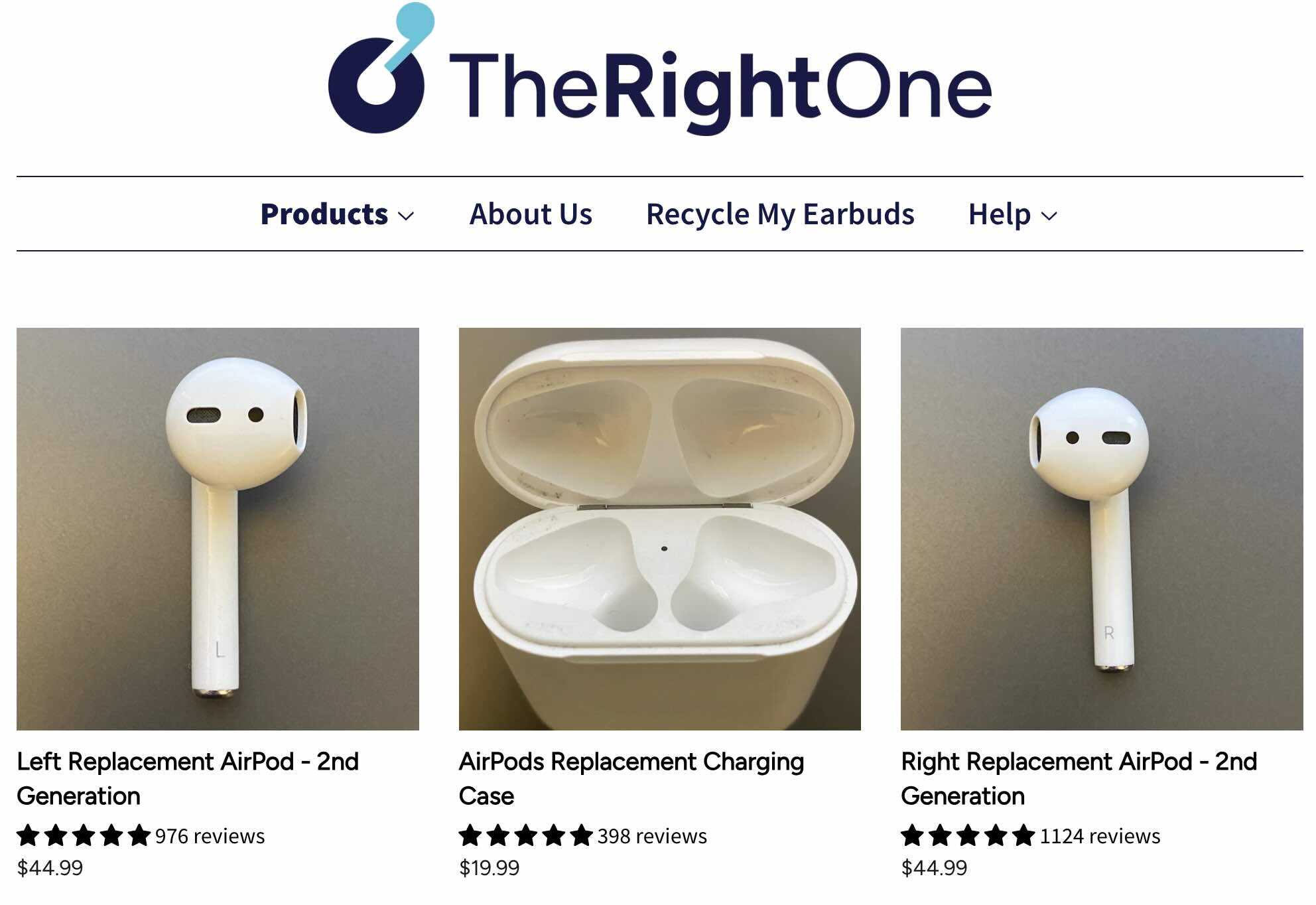
Replacing AirPods can be costly, especially for newer models. The price for a new pair varies depending on the model and whether you opt for genuine or third-party accessories. Always compare costs and consider repair options before replacing entirely.Repair vs. Replacement
In some cases, battery replacements or repairs are possible, especially from authorized service providers. This can be a more affordable option than buying new.Buying New AirPods
If your AirPods are outdated or damaged beyond repair, purchasing a new pair might be the best choice. Consider models with latest features and better battery life.Related Topics for Better AirPods Management
To maximize your AirPods experience, explore related topics including:- Best ways to clean and maintain wireless earbuds
- How to improve Bluetooth connection stability
- Battery replacement options for AirPods
- Differences between AirPods models and upgrade tips
- Accessories to protect and extend the life of your AirPods
Summary of Key Points
In summary, AirPods generally need replacing every two to three years due to battery degradation and wear. Proper handling, regular cleaning, and storing them correctly can extend their life. Pay attention to signs of performance decline to decide whether repair or replacement makes sense. Ultimately, caring for your AirPods ensures they deliver high-quality sound and reliable performance longer. By understanding these factors, you can make informed decisions about maintaining or replacing your AirPods, ensuring you get the best value and experience from your wireless earbuds.Secret AirPods Replacement! 💰 #airpods #airpodspro #applestore
Frequently Asked Questions
What is the typical lifespan of AirPods before replacement is needed?
On average, AirPods last about 2 to 3 years with regular use. Factors like charging habits, environmental conditions, and how often you use them can influence their longevity. Proper maintenance, such as cleaning the charging case and avoiding exposure to moisture, can help extend their lifespan.
How can I tell if my AirPods need to be replaced due to decreased battery life?
If you notice a significant reduction in battery life, such as your AirPods not lasting as long as they used to on a single charge, it may indicate worn-out batteries. In such cases, replacing the batteries or upgrading to a new pair can restore performance and ensure you enjoy longer usage sessions.
Are there signs beyond battery life that suggest I should replace my AirPods?
Yes, external damage like cracks, broken charging cases, or malfunctioning sensors can diminish the user experience. Additionally, persistent connectivity issues or audio problems that do not resolve through resetting may require replacement to ensure reliable performance.
How often should I replace accessories like ear tips or tips for AirPods Pro?
Accessories such as ear tips should be replaced whenever they become worn out, torn, or uncomfortable. Regular replacement ensures a good fit and optimal sound quality. This usually means swapping tips every 6 to 12 months depending on usage and hygiene practices.
What factors can accelerate the need for AirPods replacement?
Exposure to moisture, physical damage, and frequent drops can speed up wear and tear. Additionally, neglecting proper cleaning and prolonged heavy usage can reduce the overall lifespan. Regular maintenance helps prevent premature replacement and keeps your AirPods functioning well.
Final Thoughts
The lifespan of AirPods varies based on usage and maintenance. Typically, they last around two to three years with proper care. Battery performance tends to decline after this period, leading to reduced sound quality and shorter listening times. How often do AirPods need to be replaced depends on individual use, but regularly checking battery health helps determine when it’s time. In conclusion, knowing the right time for replacement ensures optimal performance; generally, they should be replaced every two to three years.
Similar Posts