How Are Airpods Made Step By Step Guide

How Are AirPods Made Step by Step
Introduction to AirPods Manufacturing
AirPods are popular wireless earbuds known for their sleek design and smart features. Making AirPods involves many detailed steps, from raw materials to the final product. This process combines advanced technology with precision craftsmanship.Design and Planning Stage
Before manufacturing begins, engineers and designers create detailed plans for AirPods. They focus on size, shape, functionality, and durability. Using computer-aided design (CAD) software helps visualize every component.Selection of Raw Materials
The main materials used in AirPods include plastics, metals, and electronic components. The plastic shells are typically made from lightweight, durable polymers. Inside, tiny electronic parts like chips, batteries, and speakers are selected for quality and performance.Manufacturing the Plastic Shells
The plastic parts are produced through injection molding. Molten plastic is injected into molds shaped like AirPods shells. After cooling, the shells are carefully removed, cleaned, and inspected for defects.Injection Molding Process Details
In this process, the plastic is heated to a high temperature until it melts. The molten plastic is then injected into precision molds under high pressure. Once cooled, the plastic solidifies into the desired shape. The shells are then trimmed and polished to ensure smooth edges.Assembly of Internal Components
The tiny electronic parts are assembled onto circuit boards. These include the Bluetooth chips, microphones, and sensors. Soldering and precise placement are essential to ensure the components work correctly.Manufacturing the Circuit Boards
Specialized machines apply solder paste onto the circuit boards. Automated pick-and-place machines then position the electronic components accurately. The boards are then passed through reflow ovens to solder everything securely.Inserting Components into the Shells
Once assembled, the circuit boards are inserted into the plastic shells. Miniature screws or clips hold them in place. Microphones, sensors, and antennas are connected for optimal performance.Battery Installation
A key component of AirPods is the rechargeable battery. The battery is carefully integrated into the shell with precise placement. Lightweight lithium-ion batteries are used to ensure long-lasting power without adding weight.Battery Testing and Secure Placement
Each battery undergoes testing for capacity and safety. It is then securely glued or clipped into the shell to prevent movement during use. Proper insulation and sealing protect the battery from damage and moisture.Final Assembly and Testing
After all internal parts are installed, the AirPods go through rigorous quality control. This includes checks for sound quality, connectivity, battery life, and durability.Sound and Connectivity Checks
Manufacturers test each AirPod for clear audio output and reliable Bluetooth connection. They simulate real-world usage to ensure consistent performance.Sealing and Protective Coating
To make the AirPods water and sweat resistant, a coating is applied. The shells are sealed tightly to prevent dust or moisture from entering.Charging Case Production
The charging case is also produced through plastic molding. Inside, electronic components like the battery and charging circuits are assembled. The case is tested for proper charging and connectivity with the AirPods.Packaging and Distribution
Once all components pass quality control, the AirPods and their cases are packed. Packaging includes user manuals, charging cables, and other accessories. Finally, the products are sent to warehouses for distribution worldwide.Additional Processes and Quality Checks
Throughout the manufacturing process, constant inspections ensure each AirPod meets Apple’s high standards. Any defective units are rejected, and quality control reports are kept for reference.Understanding the Manufacturing Timeline
From raw materials to finished products, manufacturing AirPods takes several days. Each stage is carefully scheduled to maintain productivity while ensuring top-notch quality.Innovations and Sustainability in Manufacturing
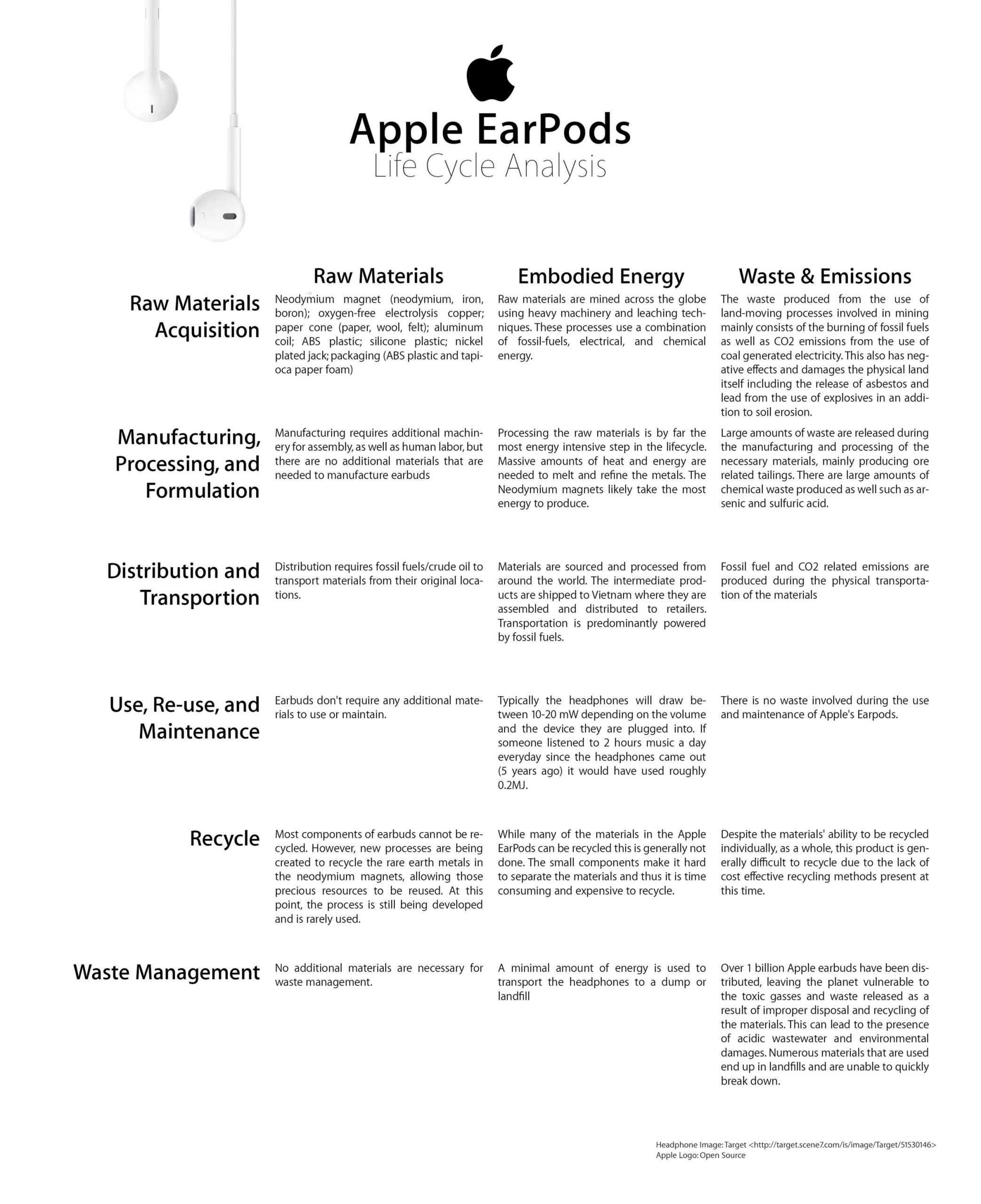
Apple continues to improve its manufacturing processes, focusing on sustainability. They aim to use recycled materials and reduce waste during production. Making AirPods is a complex process that combines advanced technology, precise craftsmanship, and strict quality control. Every step, from designing to final testing, ensures that consumers receive a reliable, well-made product. The combination of materials, assembly techniques, and innovation results in the earbuds that many people love today.Frequently Asked Questions
What are the initial components involved in assembling AirPods?
The manufacturing process begins with producing essential components such as the earbud housing, internal circuit boards, batteries, speakers, and microphones. These parts are carefully fabricated and tested to ensure they meet quality standards before assembly. Precision is crucial during this stage to ensure the components fit perfectly and function properly within the compact design of AirPods.
How are the electronic parts integrated into the AirPods during assembly?
Workers or robotic systems precisely place and solder tiny electronic components onto the internal circuit boards, assembling the key electronic elements. The speakers, microphones, and sensors are then installed into the housing, and wiring connects these parts to the circuit boards. This step requires meticulous attention to detail to guarantee the connections work seamlessly for optimal audio performance.
What steps are involved in sealing and finishing the AirPods?
Once the internal components are secured, the housing pieces are sealed together using ultrasonic welding or adhesive to protect the electronics from dust and moisture. The exterior surfaces are then polished or treated to achieve a smooth finish. Lastly, the AirPods undergo rigorous testing, including sound quality and durability assessments, before they move on to packaging and distribution.
Final Thoughts
AirPods begin with designing and assembling tiny components like microphones, speakers, and sensors. Engineers then create intricate circuitry that enables seamless wireless connectivity. During manufacturing, the parts are precisely assembled into the sleek casing. Battery cells are installed to power the device, followed by quality testing to ensure functionality. Final assembly involves sealing the components and adding finishing touches for durability. In conclusion, understanding how are airpods made step by step reveals a meticulous process that combines advanced technology with precise craftsmanship.
Similar Posts