Do I Need an iPad Pro Screen Protector?
Your iPad Pro combines a stunning display with powerful computing, making it one of the most expensive mobile screens you own. Whether you sketch with an Apple Pencil, edit 4K video, or simply browse the web, that glass surface takes daily abuse. The question “do I need an iPad Pro screen protector” isn’t just about preventing cracks—it’s about keeping your display clear, responsive, and resale-ready. This guide breaks down the real risks, the protector options that matter, and exactly when a screen protector becomes a necessity.
Understanding the iPad Pro Display
Apple equips the iPad Pro with a Liquid Retina XDR display on the 12.9‑inch model and a Liquid Retina display on the 11‑inch. Both panels feature ProMotion technology, which dynamically adjusts the refresh rate up to 120Hz—a smoothness comparable to today’s high‑refresh‑rate panels found in dedicated gaming monitors. That fluid motion, combined with P3 wide colour and ultra‑low reflectivity, creates a screen that feels premium and immersive.
Yet this glass is just as vulnerable as any other high‑resolution touchscreen. The oleophobic coating that repels fingerprints wears down over time, micro‑scratches accumulate from pocket lint and cleaning cloths, and a single drop can turn a $1,000+ device into a costly repair. Since the display is a bonded lamination, any damage often requires a full screen replacement—an out‑of‑warranty repair that Apple currently prices at $499 for the 11‑inch iPad Pro and $699 for the 12.9‑inch version.
Because the iPad Pro’s display is an integral part of the device’s identity and value, preserving its integrity is about far more than cosmetics.
Why a Screen Protector Is a Smart Investment
A high‑quality screen protector isn’t a replacement for careful handling, but it adds a low‑cost layer of defense that pays for itself many times over.
Scratches and Daily Wear
Even in a padded sleeve, the screen can rub against dust particles, leaving micro‑abrasions that dull clarity over time. A tempered glass protector with a 9H hardness rating resists keys, coins, and other common hazards. Independent research, such as the SquareTrade study on accidental damage, shows that scratches are one of the most frequent issues tablet owners report within the first two years. Spending $15–$40 on a protector effectively safeguards your screen against that gradual degradation.
Drop Protection and Impact Resistance
While a thin piece of glass can’t stop a catastrophic fall, it acts as a sacrificial layer. In edge impacts, the protector absorbs the shock and shatters first, often leaving the iPad’s original glass intact. That’s especially valuable if you use the tablet on location, around the house without a case, or in a busy workspace where accidents are inevitable.
Smudge and Fingermark Control
The iPad Pro’s screen is a fingerprint magnet. A protector with an upgraded oleophobic coating resists oil, making smudges far less noticeable and easier to wipe away. This is critical if you use the device as a viewfinder for video shoots, which is why content creators—once they’ve finished choosing the right microphone and lighting—appreciate a screen that stays readable without constant cleaning.
Maintaining Resale Value
When it’s time to upgrade, a flawless screen commands a higher resale price. A protector ensures the original glass looks untouched, which can increase the second‑hand value by $100 or more. In contrast, even minor scratches knock the device into a lower price tier.
Cost Comparison at a Glance
| Expense | Typical Cost |
|---|---|
| Premium tempered glass screen protector | $15–$40 |
| Apple out‑of‑warranty screen repair (11″) | $499 |
| Apple out‑of‑warranty screen repair (12.9″) | $699 |
| Estimated resale value drop with scratches | $80–$150 |
The math makes a compelling case: a one‑time protector purchase saves you from a repair bill that’s over ten times higher.
Types of iPad Pro Screen Protectors
Not all protectors are created equal, and the right one depends entirely on how you use your iPad Pro.
Tempered Glass
This is the most common choice. It offers high clarity, scratch resistance, and a smooth feel nearly identical to the original screen. Most are 0.3 mm thin and support Face ID without interference. Some premium versions include an anti‑microbial coating or blue light filtering.
Plastic Film (PET/TPU)
These are thinner and more flexible, providing basic scratch protection at a lower price. However, they won’t absorb much impact and can feel slightly tacky under the finger. They’re best for users who simply want to avoid surface marks and don’t need drop protection.
Paper‑Like (Matte) Screen Protectors
Designed for artists and note‑takers, these have a textured surface that mimics paper. They add resistance that makes Apple Pencil drawing more natural. The trade‑off is a slight graininess in the display and faster tip wear on the Apple Pencil—pencil tips may need replacement every few months.
Privacy Screen Protectors
These use a micro‑louvre filter to narrow the viewing angle, so only the person directly in front sees the screen clearly. Perfect for open offices or flights, but they reduce overall brightness and can make colours look slightly washed out.
Quick Comparison Table
| Type | Protection Level | Impact on Clarity | Pencil Feel | Price Range |
|---|---|---|---|---|
| Tempered Glass | High | Minimal | Smooth | $15–$40 |
| Plastic Film | Low | Minimal (slight haze) | Smooth | $5–$15 |
| Paper‑Like | Medium | Noticeable grain | Textured, matte | $15–$40 |
| Privacy | High | Moderate, reduced brightness | Smooth to slightly textured | $25–$60 |
How to Choose the Right Protector for Your Needs
Start by asking how you use your iPad Pro. If drawing or note‑taking makes up a significant portion of your day, a paper‑like protector can genuinely improve precision, but you’ll need to accept the slight reduction in visual sharpness. For everyone else—especially those who watch movies, edit photos, or play games—tempered glass offers the best balance of protection and display fidelity.
Check for Apple Pencil compatibility. Almost every protector works with the second‑generation Apple Pencil, but some thicker tempered glass can cause a slight parallax shift. Also consider the edge design: case‑friendly protectors leave a small gap around the bezel so they don’t lift when a case is fitted.
If you frequently work in public spaces, a privacy filter is invaluable. Just remember to turn up brightness to compensate. For those who pair their iPad Pro alongside desktops, a clean screen also means fewer distractions during tasks like setting up a high‑refresh external display—because a pristine Tablet surface keeps the entire workspace looking professional.
Installation: Getting a Bubble‑Free Finish
Modern protectors often include hinged alignment trays, dust removal stickers, and squeegees. Follow these steps for the cleanest result:
- Steam up the room. High humidity settles dust, so install in a bathroom after a hot shower.
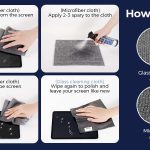
- Clean thoroughly. Use the provided alcohol wipe and microfiber cloth. Check under bright light for lint.
- Use the dust absorber. Press the sticky film over the screen to lift any remaining particles.
- Align carefully. With the alignment frame in place, peel the backing slowly and lower the glass from one edge.
- Squeegee out bubbles. Push towards the edges. Small bubbles usually disappear within 24 hours.
If a protector causes touch sensitivity issues, it’s usually a sign of infrequent contact—re‑seating may help.
Common Concerns Answered
Will a screen protector ruin the iPad Pro’s display quality?
High‑quality tempered glass maintains 99% transparency and does not affect True Tone or ProMotion. Bargain plastic films can introduce a slight haze, but modern 0.3 mm glass is nearly invisible.
Does it interfere with the Apple Pencil?
No, but texture changes the feel. Tempered glass keeps the glass‑on‑pencil glide. Paper‑like protectors increase friction, which feels more like real drawing, yet they can wear down the Pencil’s tip faster. Keep a few spare tips on hand.
Is there any impact on Face ID?
Face ID uses the TrueDepth camera near the top bezel, not the screen itself. A screen protector that covers only the display area will not block Face ID. Some poorly designed edge‑to‑edge protectors might interfere if they lack a camera cutout.
What about the oleophobic coating?
The iPad Pro’s factory oleophobic layer wears off over 12–18 months of heavy use. A screen protector essentially refreshes that coating, keeping the surface slick and easier to wipe clean.
How long does a screen protector last?
A good tempered glass protector can last a year or more if it remains crack‑free. Replace it as soon as you see a chip or deep scratch that compromises visibility. Plastic films may need replacement every six months.
When You Might Skip the Screen Protector
There are valid scenarios where a protector is optional. If you primarily use your iPad at a stationary desk with a keyboard case that covers the screen when not in use, the risk of scratches drops dramatically. Likewise, an AppleCare+ plan covers two incidents of accidental damage for a service fee—$49 for screen repair or $99 for other damage—so a protector may feel redundant.
Yet even with AppleCare+, the time, inconvenience, and potential data loss of a repair can be more disruptive than a one‑time investment in protection. And while a case with a cover helps, tiny particles trapped between the cover and screen can still cause micro‑scratches over time.
FAQs
Q: Will a screen protector affect the touch sensitivity of my iPad Pro?
A: No. Quality protectors are under 0.33 mm thick and preserve the touch response perfectly. If you experience sluggish taps, check for a poor installation or low‑grade material.
Q: Can I use a screen protector with any iPad Pro case?
A: Yes, most cases are compatible. Choose a “case‑friendly” protector that leaves a 1–2 mm gap around the edges to prevent peeling when the case snaps on.
Q: How often should I replace my screen protector?
A: Replace it whenever you see damage that affects clarity or touch, or roughly every year for peace of mind. A shattered protector is a sign it did its job.
Q: Does a paper‑like protector wear down the Apple Pencil tip?
A: Yes, the textured surface increases friction, which can erode the soft tip faster than a smooth glass surface. Keep a pack of replacement tips (Apple sells a 4‑pack for $19).
Q: Can a screen protector prevent the screen from shattering on a hard drop?
A: It cannot guarantee prevention, but it significantly reduces the likelihood by absorbing the first point of impact. In many real‑world drops, the protector breaks while the iPad glass survives.
Q: Will a privacy screen protector reduce the display’s usefulness outdoors?
A: It can. Because privacy filters block light from wide angles, brightness appears lower overall. You may need to max out the brightness setting, which can drain the battery faster.
Final Verdict: Do You Need an iPad Pro Screen Protector?
For the vast majority of iPad Pro owners, a screen protector is a low‑cost, high‑value safeguard that keeps the display looking fresh and functional. The 12.9‑inch model’s stunning XDR panel is especially costly to repair, making protection a no‑brainer. Even if you have AppleCare+, the everyday annoyance of micro‑scratches, fingerprint smears, and clarity loss justifies a $20 tempered glass sheet.
Consider your own habits. If you frequently toss the tablet into a bag, use it outside, or rely on the Apple Pencil for hours each day, a protector cuts maintenance and worry. In a workspace where you might pair your iPad with a dual‑monitor high‑refresh setup, a flawless screen keeps the whole arrangement polished. And when you’re ready to sell, that pristine display yields a higher return.
Ultimately, the question isn’t whether the iPad Pro screen can survive without a shield—it’s whether you want to risk a $500+ repair for a screen you could protect for the price of a lunch. Slip on a quality protector, and enjoy your iPad Pro with clarity, confidence, and fewer trips to the Apple Store.

Similar Posts