Do I Need a Keyboard for My iPad Pro?
The iPad Pro is a marvel of modern engineering — a touch-first device that can edit 4K video, render complex 3D models, and run desktop-class apps. But the moment you sit down to write a long email, craft a report, or code a new project, the on‑screen glass keyboard can feel like a bottleneck. The question “Do I need a keyboard for my iPad Pro?” isn’t just about hardware; it’s about whether you want to treat your tablet as a consumption device or a true productivity machine. This guide will walk you through every consideration, from real‑world use cases and quantifiable benefits to the array of keyboard options available in 2025, so you can make a confident decision.
Who Really Benefits from an iPad Pro Keyboard
Not every iPad Pro user needs a physical keyboard. The line is drawn by how you spend the majority of your time. If you rarely type more than a short message or use the tablet almost exclusively for drawing with the Apple Pencil, the on‑screen keyboard may be perfectly adequate. However, if your daily routine includes any of the following, a keyboard transforms the iPad Pro from a convenient companion into a genuine workhorse.
- Writers and content creators: Drafting articles, blog posts, or scripts demands sustained typing. A physical keyboard can increase your words‑per‑minute by 30–50% and dramatically reduce errors.
- Students: Taking lecture notes, writing research papers, or participating in online discussions is far more efficient when you’re not pecking at glass. Keyboard shortcuts for copy, paste, and app switching let you keep up with fast‑paced classes.
- Business professionals: Responding to a flood of emails, editing spreadsheets, and reviewing documents in Split View are all smoother with a keyboard. You can also use the iPad Pro as a thin client, connecting to remote desktops or cloud workspaces, where a keyboard is essential.
- Developers: With tools like coding assistants and remote development environments, the iPad Pro is becoming a capable coding station. Writing code with a touch keyboard is simply painful; a keyboard is non‑negotiable.
- Multitaskers: If you frequently work in two or three apps side by side, keyboard shortcuts for Stage Manager, Slide Over, and quick app switching drastically reduce the friction of moving between tasks.
Even for casual users, a keyboard can make the iPad Pro a more comfortable device for writing longer social media posts, managing a personal budget, or keeping a journal. The key is to assess your daily typing volume. If you find yourself typing more than 200 words a day, the investment makes sense.
The Tangible Advantages of a Physical Keyboard
Understanding the benefits in concrete terms helps you weigh the cost against the productivity gains. Let’s break down the most impactful improvements.
1. Typing Speed and Accuracy
Touchscreen typing on a flat surface forces your fingers into an unnatural position, and without tactile feedback, you’re constantly glancing down to confirm key presses. A study by the University of Cambridge found that participants using a physical keyboard reached an average of 60–70 words per minute (WPM), while those on a tablet screen averaged only 35–45 WPM with a higher error rate. If you write 1,000 words a day, that difference saves you nearly 10 minutes of typing time, which adds up to over 60 hours per year. For professionals, that’s real money.
2. Ergonomic Comfort and Health
The flat typing posture imposed by an on‑screen keyboard can lead to “tablet neck” and wrist strain. A physical keyboard allows you to position the iPad Pro at a height and angle that align with your natural line of sight, while your hands rest at a relaxed angle. Many keyboards, such as the Magic Keyboard, include a floating cantilever design that lets you adjust the viewing angle precisely. This reduces the risk of repetitive strain injuries, which are increasingly common among tablet‑heavy users. If you’ve ever felt a dull ache in your wrists after a long typing session on the iPad, a keyboard is the ergonomic answer.
3. Expanded Shortcut Power
iPadOS has matured into a desktop‑class operating system with a rich set of keyboard shortcuts. With a physical keyboard, you can:
Cmd + Space– open Spotlight search instantlyCmd + Tab– switch between recent appsCmd + H– go to the Home ScreenCmd + Shift + 3– take a screenshotCmd + N– create a new document in most appsCtrl + Cmd + Space– bring up the emoji and symbol picker
These shortcuts eliminate the need to lift your hands from the keyboard, keeping your flow intact. Third‑party apps like Notion, Ulysses, and Procreate also support custom shortcuts, so you can tailor your workflow.
4. Seamless Multitasking
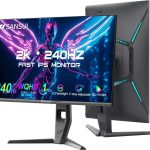
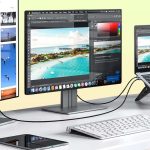
The iPad Pro’s Stage Manager allows you to run up to four apps simultaneously on the internal display and up to eight on an external monitor. Navigating this environment with a finger is clunky, but keyboard shortcuts make it fluid. You can activate Split View with a key combination, move windows between displays, and resize apps without touching the screen. If you’re using an external display, setting up a high‑refresh‑rate screen can further enhance the desktop experience, and a keyboard becomes the central control hub.
5. A Desktop‑Class Workspace Anywhere
When you pair your iPad Pro with a keyboard and a trackpad (or a mouse), you effectively have a laptop replacement. The Magic Keyboard and many third‑party cases include a built‑in trackpad that supports multi‑touch gestures, making navigation feel identical to a MacBook. This is particularly valuable for creators who also need good audio quality and proper lighting when recording video or podcasts directly from the iPad. The keyboard becomes the bridge that turns the tablet into a self‑contained production studio.
Keyboard Types for iPad Pro: A Detailed Comparison
Choosing the right keyboard means understanding the strengths and trade‑offs of each category. Here’s a breakdown of the most popular options.
| Type | Key Features | Best For | Price Range (USD) |
|---|---|---|---|
| Apple Magic Keyboard | Floating design, built‑in trackpad, backlit keys, USB‑C pass‑through charging, Smart Connector | Professionals who want a laptop‑like experience with zero‑lag connection | $299–$349 |
| Apple Smart Keyboard Folio | Lightweight, no trackpad, fabric‑covered keys, Smart Connector attachment | Users who prioritize portability and need a slim, always‑on keyboard | $179–$199 |
| Bluetooth Keyboards | Wide variety of sizes and layouts, multi‑device pairing, often cheaper | Casual users who want flexibility and the ability to use one keyboard across multiple devices | $30–$150 |
| Keyboard Cases | Protective case with integrated keyboard, often detachable, various key mechanisms | People who want an all‑in‑one solution and don’t mind a bit of bulk | $60–$150 |
| Mechanical Keyboards | Individual switches for tactile feedback, customizable RGB lighting, highly durable | Heavy typists, coders, and gamers who demand the best typing feel and are working at a desk | $80–$250 |
- Magic Keyboard: The premium choice. Its scissor‑switch mechanism delivers a satisfying 1mm key travel, and the backlight adjusts automatically. The cantilever design holds the iPad Pro magnetically, allowing you to adjust the viewing angle without a floppy hinge. The integrated trackpad is a game‑changer for precise text selection and spreadsheet work.
- Smart Keyboard Folio: Feather‑light and water‑resistant, it’s perfect for those who carry the iPad everywhere. The fabric‑covered keys feel unusual at first but are surprisingly durable. However, it lacks a trackpad and backlight, so it’s less suited for low‑light environments.
- Bluetooth alternatives: These give you the freedom to choose a full‑size layout with a number pad or a compact foldable design. Battery life often exceeds 3 months on a single charge. Just remember that you’ll need to charge it separately and manage the Bluetooth connection.
- Mechanical options: If you’re a writer who misses the clack of a traditional keyboard, a Bluetooth mechanical keyboard with linear or tactile switches can be a revelation. Many connect to the iPad Pro via USB‑C or Bluetooth and offer a desktop‑like typing experience at home.
How to Choose the Right Keyboard for Your Workflow
Selecting the best keyboard for your iPad Pro isn’t just about the brand; it’s about matching the hardware to your daily habits. Consider these factors carefully.
1. Connectivity Method
Keyboards either connect via Apple’s Smart Connector (on the back of the iPad Pro) or Bluetooth. The Smart Connector provides a lag‑free, instant‑on connection and powers the keyboard directly from the iPad, so you never need to charge it. Apple’s Magic Keyboard and Smart Keyboard Folio use this method. Bluetooth keyboards offer more variety but introduce a tiny bit of latency (imperceptible for most) and require separate charging. If you’re often on the move, the Smart Connector’s convenience is hard to beat.
2. Size and Portability
The 11‑inch and 12.9‑inch iPad Pro models have different footprints, and keyboards are designed accordingly. Measure your bag or workspace. If you commute daily, a slim keyboard case that adds minimal weight (under 1 lb) is ideal. For a desk‑bound setup, a full‑size mechanical keyboard with a stand for the iPad is perfectly fine. Keep in mind that a keyboard case will increase the total weight by 0.6–1.5 lbs.
3. Battery Life and Charging
Bluetooth keyboards typically last 3–12 months on a single charge, depending on usage and backlighting. Some models recharge via USB‑C, while others use replaceable AAA batteries. If you opt for a backlit keyboard, expect to recharge more frequently. The Smart Connector keyboards never need charging, which is a significant advantage for forgetful users.
4. Backlighting and Typing Environment
If you work in dimly lit rooms, airplanes, or coffee shops, a backlit keyboard is essential. The Magic Keyboard’s backlight adjusts to ambient light automatically, and many third‑party keyboards offer adjustable brightness. Backlighting can drain battery faster, so balance that need with your usage patterns.
5. Trackpad Integration
A trackpad is no longer a luxury; it’s a productivity multiplier. iPadOS supports full gesture control, including three‑finger swipes to switch apps, pinch to zoom, and two‑finger secondary click. If you plan to use the iPad Pro as your primary computing device, a keyboard with a built‑in trackpad (like the Magic Keyboard or Logitech Combo Touch) gives you a true laptop experience.
6. Typing Feel and Switch Type
Pay attention to key travel and switch mechanism. Scissor‑switch (Apple, Logitech) offers a crisp, quiet feel. Mechanical switches (Cherry, Gateron) provide a more pronounced tactile bump or click, which can reduce typing fatigue during long sessions but may be too noisy for shared spaces. If you’re a heavy typist, consider the long‑term comfort of the switch type.
Common Misconceptions and FAQs
Can I use any Bluetooth keyboard with my iPad Pro?
Yes, virtually any Bluetooth keyboard that supports the HID profile will work with iPadOS. Some keyboards even offer special iPad‑specific function keys for brightness, volume, and media controls. However, basic models without these keys may require you to use Fn combinations, which can be awkward.
Do I need to remove my iPad Pro case to use a keyboard case?
It depends on the design. Most keyboard cases like the Zagg Pro Keys or Logitech Folio are designed to encase the iPad itself, so you must remove any existing back cover. The Magic Keyboard attaches magnetically and works with thin skins, but a thick protective case will interfere with the magnetic connection. Always check the manufacturer’s compatibility notes.
Does using a keyboard drain the iPad Pro battery faster?
Smart Connector keyboards draw negligible power (less than 1% per hour). Bluetooth keyboards use their own battery, so they have no direct impact on iPad battery life. However, having the screen on for longer typing sessions will naturally consume battery, but that’s independent of the keyboard.
Can I game on the iPad Pro with a keyboard?
Many popular games, including “Call of Duty: Mobile,” “Minecraft,” and “Genshin Impact,” support keyboard input. A keyboard can give you a significant advantage in precision and reaction time, but not all titles are optimized for it. If you’re a serious mobile gamer, check the game’s control settings. For a desktop‑style gaming experience, you might also want to verify your display’s capabilities before connecting an external monitor.
Is a keyboard worth it if I only use my iPad Pro for casual browsing?
Probably not. The on‑screen keyboard is sufficient for short URLs, quick searches, and occasional messaging. The investment only pays off when you’re frequently typing more than a few sentences at a time.
Conclusion: Should You Buy a Keyboard for Your iPad Pro?
The answer hinges on how you use the device. For anyone who writes, codes, or manages heavy email traffic, a keyboard is not a luxury — it’s a necessity that transforms the iPad Pro into a legitimate laptop alternative. The speed, comfort, and shortcut‑driven productivity gains are measurable and immediate. Casual users who primarily consume content, draw, or use the tablet as a secondary screen can comfortably skip the purchase.
If you’re still on the fence, consider starting with an affordable Bluetooth keyboard to test the waters. The Logitech K380 or a compact mechanical keyboard can give you a taste of the enhanced workflow without a hefty investment. For those ready to commit, the Apple Magic Keyboard remains the gold standard for seamless integration, while the Logitech Combo Touch offers a compelling alternative with a detachable design and function row.
Ultimately, the iPad Pro is a canvas waiting for the right tools. A keyboard is the brush that lets you paint with words, code, and ideas — turning a brilliant tablet into something far more capable.

Similar Posts