Which Iphone Replacement Screen Is Best For Your Model
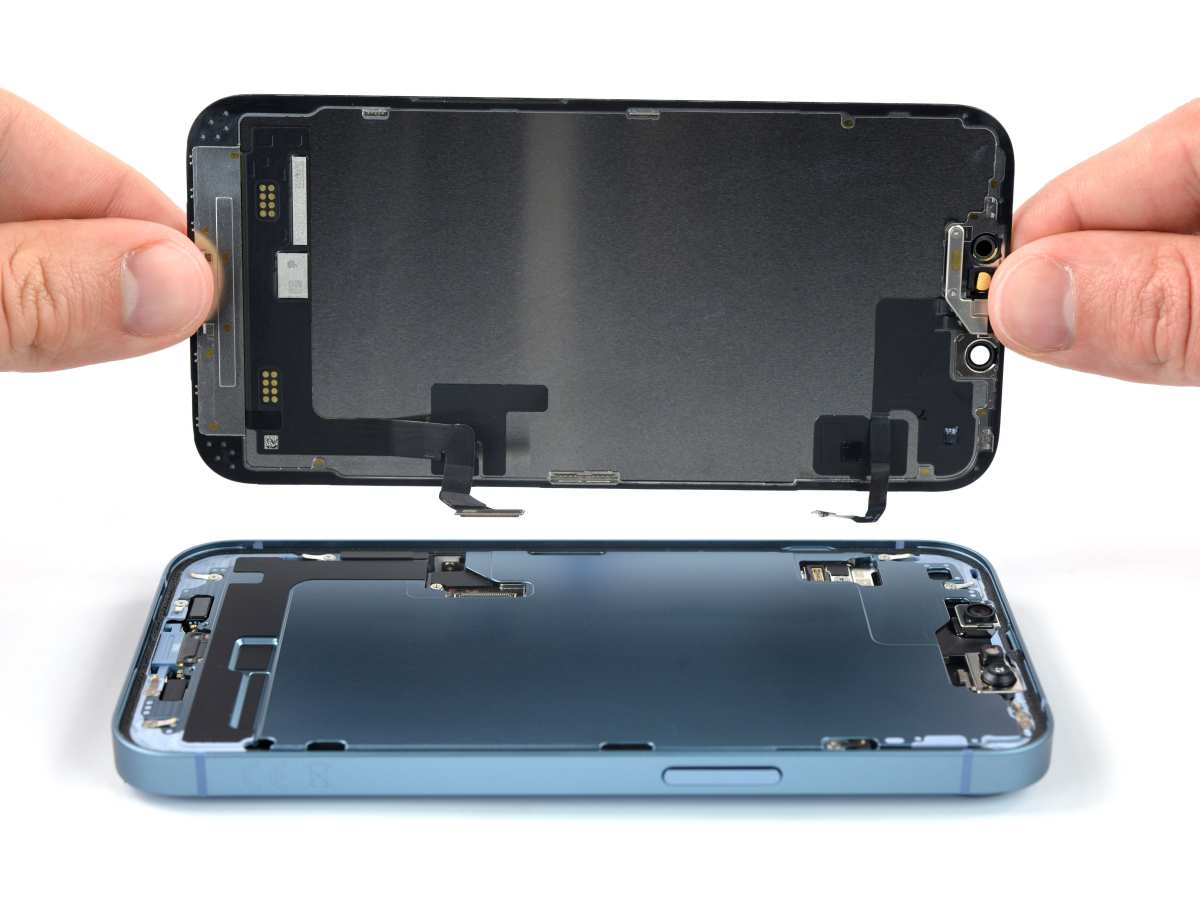

Which iPhone Replacement Screen Should You Choose?
Choosing the right replacement screen for your iPhone can feel overwhelming, especially with so many options available. Whether your screen is shattered, flickering, or not responding properly, finding the best replacement can restore your device’s quality and usability. In this section, we will explore what makes a good iPhone replacement screen, the types available, and how to select the right one for your needs.Understanding Different Types of iPhone Replacement Screens
When searching for an iPhone replacement screen, it’s essential to understand the various options on the market. Not all screens are created equal, and the material quality directly impacts the durability and display clarity.- OEM (Original Equipment Manufacturer) Screens
- Aftermarket Screens
- Refurbished Screens
OEM Screens
OEM screens are identical to the original screens used in your iPhone during manufacturing. They are sourced directly from Apple or with Apple’s specifications in mind. These screens usually provide the best display quality, color accuracy, and touch sensitivity. However, they tend to be more expensive and slightly harder to find, especially outside authorized repair centers.Aftermarket Screens
These screens are made by third-party manufacturers. They are typically cheaper than OEM options but can vary significantly in quality. Some aftermarket screens can match OEM standards, while others might have issues like poor color reproduction or decreased touch sensitivity. Always look for reputable brands or suppliers when opting for aftermarket screens.Refurbished Screens
Refurbished screens have been previously used but are tested and repaired to function properly. They are a cost-effective solution but might not match the longevity or performance of new screens. If you choose a refurbished screen, ensure that it comes with a warranty and has been tested thoroughly.Factors to Consider When Choosing a Replacement Screen
Selecting the right screen involves considering several factors to ensure you get a durable, high-quality product that fits your needs.Display Quality and Resolution
The display quality is the most visible feature. Look for screens that offer:- Bright and vivid colors
- High resolution and clarity
- Accurate color reproduction
- Good contrast levels
Touch Sensitivity and Responsiveness
A good replacement screen should feel just like the original, responding accurately to every tap and swipe. Check reviews about touch sensitivity, especially for third-party options.Durability and Scratch Resistance
Choose screens with protective features such as oleophobic coatings, which help resist fingerprints and minor scratches. For added durability, consider screens with strengthened glass, such as Gorilla Glass.Compatibility with Your iPhone Model
Every iPhone model has specific screen specifications. Ensure the replacement screen is compatible with your particular iPhone model to avoid issues like display misalignment or touch malfunction.Brand Reputation and Warranty
Opt for brands known for quality and reliability. Good warranty policies indicate confidence from the manufacturer and provide peace of mind in case of defects.How to Differentiate Genuine from Fake Replacement Screens
Fake or low-quality screens can damage your device or lead to poor performance. To avoid this, watch out for:- Suspiciously low prices that seem too good to be true
- Unrecognizable brand names or no brand at all
- Poor packaging and labeling
- Absence of warranty or return policies
Where to Purchase Your iPhone Replacement Screen
Deciding where to buy your replacement screen influences both cost and quality. Here are common options:Official Apple Stores and Authorized Service Providers
These sources guarantee genuine OEM screens and professional installation. The primary advantage is quality assurance and warranty coverage but expect to pay a premium.Third-Party Repair Shops
Many certified repair centers offer quality aftermarket or OEM replacement screens at a more affordable price. Ensure the technicians are experienced and use high-quality parts.Online Marketplaces
Platforms like Amazon, eBay, or specialized electronics stores often have a range of options. Always verify seller ratings and reviews before making a purchase.DIY Kits
For those comfortable with repairing their own devices, DIY kits include all necessary tools and parts. Be cautious, as improper installation can cause further damage.Cost Comparison of Different Replacement Screens
Here’s a simple overview to help you understand the typical costs:| Type of Screen | Price Range | Pros | Cons |
|---|---|---|---|
| OEM Original Screen | $150 – $300+ | Best quality, perfect color and response | More expensive, limited availability outside authorized centers |
| High-Quality Aftermarket | $70 – $150 | Affordable, good performance if from reputable brands | Variable quality, potential for lower durability |
| Refurbished Screen | $50 – $100 | Cost-effective, environmentally friendly | Possible wear and tear, shorter lifespan |
Additional Tips for Your Replacement Screen Purchase
To make the best choice:- Always ask for a warranty or guarantee on the part
- Read customer reviews regarding durability and display quality
- Choose a seller or repair shop with strong reputation and good after-sales support
- Double-check your iPhone model to ensure compatibility
Installation Considerations and Professional Help
While some tech-savvy individuals might opt to replace the screen themselves, most benefit from professional installation. Proper installation ensures:- Preventing further damage to internal components
- Ensuring the screen functions properly with touch and display
- Maintaining water and dust resistance features
Summing Up
Choosing which iPhone replacement screen fits your needs involves understanding the different types, qualities, and sources on the market. Prioritize quality over price when it comes to your device’s display, as a good screen is crucial for a seamless user experience. Remember to select a compatible, durable, and reliable replacement to ensure your iPhone continues to serve you well for years to come. Whether you opt for OEM, aftermarket, or refurbished screens, doing thorough research and purchasing from reputable sources guarantees a better repair outcome. If you’re unsure about installing the replacement yourself, trust professionals to do the job correctly. Proper care and cautious selection ensure your iPhone remains a functional and enjoyable device long after the screen replacement.Frequently Asked Questions
What are the main types of replacement screens available for iPhones?
Replacement screens for iPhones primarily come in two types: original OEM screens and third-party aftermarket screens. OEM screens are manufactured by Apple or its authorized suppliers and offer the highest quality, matching the original display’s clarity, color accuracy, and touch responsiveness. Aftermarket screens are produced by other companies and can vary in quality; some provide good visual performance but may lack the durability or exact specifications of OEM parts. When choosing a replacement, consider the balance between cost, quality, and compatibility to ensure you get a screen that meets your needs.
How do I know which iPhone replacement screen is the best fit for my device?
To find the right replacement screen, first identify your iPhone model precisely, including the generation and any specific variants. Check the specifications of the available screens to match size, resolution, and features like True Tone or 3D Touch if applicable. Review product details from trusted suppliers and read customer feedback to gauge compatibility and quality. Selecting screens from reputable brands or authorized service providers can help ensure a perfect fit and reliable performance for your device.
What factors should I consider regarding durability when choosing an iPhone replacement screen?
Durability depends on the quality of the materials used in the replacement screen. Look for screens that feature strengthened glass, such as Gorilla Glass, which resists scratches and impacts better than standard glass. Additionally, consider whether the replacement includes protective coatings or anti-glare features to enhance longevity and usability. Verifying warranty terms and return policies can also provide peace of mind regarding the screen’s durability over time.
Are there any differences in installation difficulty between various iPhone replacement screens?
Yes, the installation process can vary significantly based on the type and quality of the replacement screen. OEM screens often come with precise fittings but may require advanced tools and skills to install properly. Third-party or generic screens might be easier for DIY repairs due to simplified assembly or pre-installed components. However, improper installation can lead to issues like touch sensitivity problems or display failures. If unsure, it is wise to seek professional help to ensure the screen fits correctly and functions as intended.
Can I replace my iPhone screen by myself, or should I seek professional service?
Replacing an iPhone screen can be complex, especially for newer models with integrated components like Face ID modules. If you have experience with delicate electronic repairs and the right tools, performing the replacement yourself is possible. However, for most users, seeking professional service ensures proper handling, minimizes the risk of additional damage, and guarantees that the replacement works correctly. Professionals also can provide warranties on their work, offering added reassurance about the repair quality.
Final Thoughts
Choosing the right replacement screen for your iPhone depends on durability, quality, and budget. Opt for genuine Apple screens for the best fit and performance. Third-party options can offer affordability but may vary in quality and longevity. which iPhone replacement screen suits your needs best will depend on balancing quality with cost, ensuring a reliable display that restores your device’s full functionality.
Similar Posts