What To Charge Macbook Pro With For Optimal Performance
To keep your MacBook Pro running smoothly, always use the original charger or a high-quality compatible charger that provides the right wattage — ideally 61W for a 13-inch and 96W for a 16-inch model. Using the correct charger ensures efficient charging and helps preserve your battery’s health over time.
In short, the best way to charge your MacBook Pro is with the original Apple USB-C charger or a certified third-party charger that matches the MacBook’s wattage requirements. Avoid charging with low-quality or incompatible chargers, as they can slow down charging, damage your battery, or reduce overall performance.
When it comes to charging your MacBook Pro, choosing the right charger is key to maintaining its performance and longevity. Apple recommends using its original USB-C power adapters, specifically designed for your model’s power needs. These chargers deliver the optimal wattage for fast and safe charging, whether you’re at home or on the go. While some third-party chargers are compatible, always look for certified options to avoid potential risks. Using the correct charger not only ensures your MacBook Pro charges efficiently but also helps in preserving its battery health over time.

What to Charge MacBook Pro With: A Complete Guide
Understanding Your MacBook Pro’s Power Requirements
Knowing what to charge your MacBook Pro with starts with understanding its power needs. MacBook Pro models come with specific charging specifications that ensure safe and efficient power transfer. Using the wrong charger can lead to slow charging, battery damage, or even safety hazards.
Most MacBook Pro models from 2016 onward use USB-C charging ports, which are versatile but require attention to wattage. The standard charger wattage varies based on the model and size, such as the 13-inch or 16-inch variant. To keep your device healthy, always match or exceed the manufacturer’s recommended wattage.
Apple-Recommended Chargers for MacBook Pro
Apple provides specific chargers designed for each MacBook Pro model. For the 13-inch MacBook Pro, Apple recommends a 61-watt USB-C Power Adapter, while the 16-inch version calls for a 96-watt USB-C Power Adapter. Using the original charger guarantees compatibility and fast charging times.
If you want to use a different charger, ensure it matches these wattage specifications. Chargers with too low wattage will charge slowly, while those with higher wattage are usually safe thanks to the MacBook’s built-in power management system. However, always choose certified or Apple-approved chargers to avoid potential damage.
Types of Chargers You Can Use
Various chargers can power your MacBook Pro, but not all are equally safe or effective. Here are the main types:
- Original Apple Chargers: The safest and most reliable choice. They are engineered specifically for your MacBook Pro’s power needs.
- Certified Third-Party Chargers: These are made by reputable brands and meet safety standards such as USB-IF certification. They are often less expensive but should still be Apple-certified.
- Generic or Uncertified Chargers: These pose risks including insufficient power delivery and safety hazards. Avoid these unless they are certified by a recognized authority.
Using certified third-party chargers can be a good alternative when original chargers are unavailable, but always check for proper certification.
Wattage and Charging Speed
The wattage of your charger directly affects how quickly your MacBook Pro charges. Higher wattage chargers deliver more power, reducing charging time, especially for larger models like the 16-inch.
For example, a 96-watt charger can charge your 16-inch MacBook Pro faster than a 61-watt one. Keep in mind that your MacBook’s internal system controls the charging speed to prevent damage, so using a higher wattage charger is safe and often beneficial.
Compatibility and Cable Quality
Not all USB-C cables are suitable for charging MacBook Pro. Use cables that support Power Delivery (PD) standards to ensure safe and optimal charging.
Look for cables that are:
- Certified by Apple or reputable third-party authorities
- Capable of supporting at least 60 watts for 13-inch MacBook Pro models
- Long enough to meet your needs without strain
Poor quality or incompatible cables can cause slow charging or damage your device over time.
Risks of Using Incorrect Chargers
Using unapproved or incompatible chargers can lead to several issues, including:
- Battery overheating or swelling
- Reduced battery lifespan
- Unexpected shutdowns or power loss
- Potential safety hazards like electrical fires
Always prioritize chargers that meet Apple’s safety standards.
Wireless Charging Options for MacBook Pro
Currently, most MacBook Pro models do not support wireless charging, but Apple has introduced MagSafe technology in newer MacBook models. MagSafe offers a magnetic connection that simplifies charging and reduces the risk of damage if the cable is pulled.
While MagSafe is convenient, it still requires a compatible MagSafe charger and cable, which should be Apple-certified for safety and efficiency.
Comparison Table: Charger Wattage and Use Cases
| Model | Recommended Charger Wattage | Use Case |
|---|---|---|
| MacBook Pro 13-inch (latest) | 61 Watts | Standard charging, portable use |
| MacBook Pro 16-inch (latest) | 96 Watts | Fast charging, heavy usage |
| Older Models (Pre-2016) | 60-87 Watts | Original chargers specific to model |
How to Maintain Your MacBook Pro’s Battery Health
Proper charging habits extend your battery’s lifespan. Always use the charger recommended by Apple when possible. Avoid leaving your MacBook plugged in constantly, as this can degrade the battery over time.
It’s a good idea to unplug the device once it reaches full charge and avoid letting the battery drain completely regularly. Keeping the device updated and following Apple’s advice on battery maintenance helps maintain optimal health.
Summary of Best Charging Practices
- Use original or certified chargers matching your MacBook Pro model’s wattage.
- Choose high-quality USB-C cables supporting Power Delivery.
- Avoid cheap, uncertified chargers and cables.
- Follow best practices for battery health: don’t overcharge or fully drain the battery often.
- Stay updated with the latest macOS and firmware updates for optimal power management.
Additional Accessories for Charging Your MacBook Pro
Apart from chargers, consider accessories that enhance your charging experience:
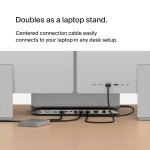
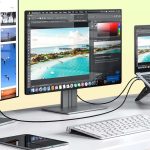
- Docking stations: Allow multiple device charging through a single connection.
- Power strips with USB-C ports: Offer convenient multi-device charging solutions.
- Portable power banks: High-capacity banks with PD support can charge your MacBook on the go.
Ensure any accessory you buy is compatible with your MacBook Pro’s power requirements for safe and efficient use.
In summary, choosing the right charger for your MacBook Pro involves considering wattage, safety standards, cable quality, and your specific usage needs. By selecting certified and appropriate equipment, you can keep your MacBook charged efficiently while maintaining battery health and safety.
Frequently Asked Questions
What types of chargers are compatible with the MacBook Pro?
The MacBook Pro is compatible with USB-C chargers that meet specific power output requirements. Apple recommends using the official USB-C power adapters that come with the device or certified third-party chargers that provide the appropriate wattage, such as 61W, 87W, or 96W, depending on your MacBook Pro model. Using chargers with different connectors or insufficient power can lead to slow charging or potential damage.
Can I use a lower wattage charger to charge my MacBook Pro?
While you can connect a lower wattage charger to your MacBook Pro, it may result in slower charging times or your device not charging at all when in heavy use. For optimal performance, choose a charger that matches or exceeds the wattage recommended for your specific model. Using a higher wattage charger is safe, as the MacBook Pro will only draw the power it needs.
Is it safe to charge a MacBook Pro with a third-party charger?
Using third-party chargers can be safe if they meet Apple’s specifications and are certified by reputable organizations like UL or USB-IF. Always verify that the third-party charger is compatible with your MacBook Pro model and provides the correct voltage and current. Avoid cheap or uncertified chargers, as they can damage your device or pose safety risks.
What should I look for when choosing a charger for my MacBook Pro?
Consider chargers that provide the correct wattage recommended for your MacBook Pro model. Ensure the charger has USB-C Power Delivery (PD) capability for fast and efficient charging. Check for certifications and reviews to confirm quality and safety. A reliable charger with good build quality reduces the risk of overheating or electrical issues.
Can I use a portable power bank to charge my MacBook Pro?
Yes, you can use a portable power bank that supports USB-C Power Delivery and offers enough wattage (typically 30W or higher) to charge your MacBook Pro. Before purchasing, verify that the power bank has sufficient capacity and output specifications compatible with your device. Using a power bank provides convenient charging on the go without sacrificing safety or performance.
Final Thoughts
When it comes to charging your MacBook Pro, using the right power source is essential. Always opt for the charger that matches the wattage recommended by Apple, typically 67W, 87W, or 96W depending on your model. Using the correct charger ensures efficient charging and maintains battery health.
A reliable USB-C charger from Apple or reputable third-party brands is ideal. Avoid cheap or incompatible chargers that could harm your device. Proper charging habits extend your MacBook Pro’s lifespan and optimize its performance.
In conclusion, knowing what to charge MacBook Pro with helps safeguard your investment. Stick to recommended chargers and wattages to ensure safety and efficiency.

Similar Posts