What Is Using My Battery Android And How To Save Power
If you’re wondering what is using my battery android, a quick check with your device’s battery usage settings reveals which apps and services drain power most. **This simple step helps you identify and manage battery-hungry apps efficiently.** Often, background processes or apps running unnecessarily can cause rapid battery drain.
Knowing what is using my battery android empowers you to take control and extend your device’s battery life easily. Adjusting settings or closing unnecessary apps can make a noticeable difference each day.

What Is Using My Battery Android?
Understanding what drains your Android phone’s battery can feel like solving a mystery. If your phone’s battery life drops faster than expected, it’s natural to wonder, “What is using my battery Android?” The good news is, Android devices come with built-in tools that help you see exactly which apps and processes are consuming your battery power. By exploring these, you can take control and make smarter choices to extend your phone’s battery life.
In this section, we will walk through what causes battery drain on Android phones, how to identify the main battery consumers, and practical tips to optimize your device’s power usage. We’ll also discuss common myths about battery drain and how to avoid them, so you can keep your phone running longer every day.
Why Does My Android Phone’s Battery Drain Fast?
Before diving into how to see what’s using your battery, it’s helpful to understand why batteries drain quickly in the first place. Several factors influence battery life on an Android device:
- Background Apps: Many apps keep running behind the scenes, performing tasks even when you’re not actively using them. These can include social media updates, email syncing, or location services.
- Screen Usage: The display consumes the most power on most smartphones. Brightness levels and screen timeout settings directly impact battery life.
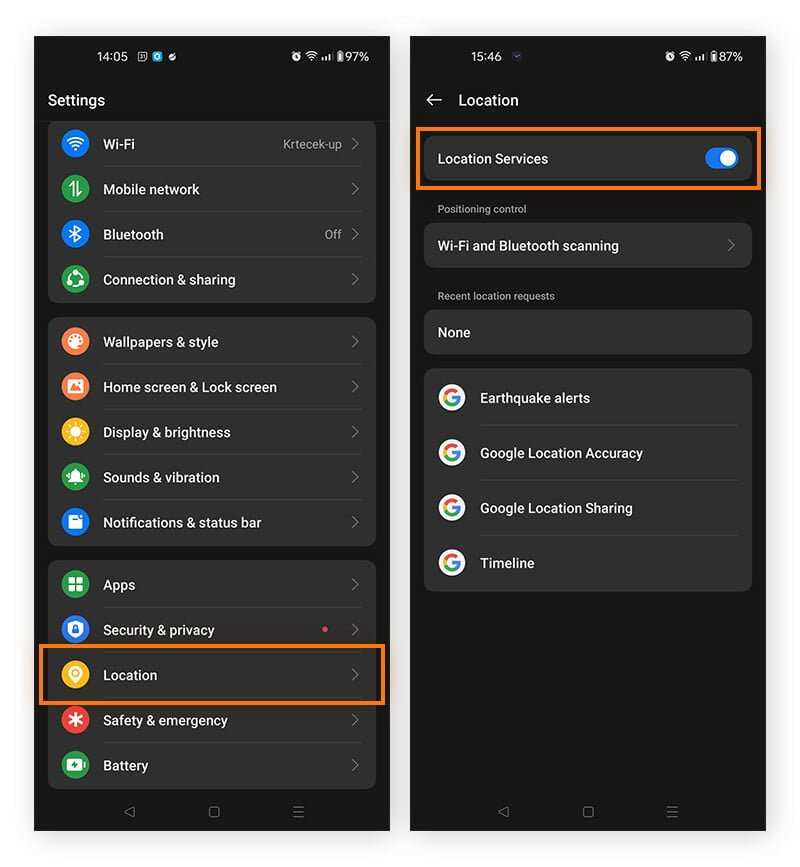
- Location Services: GPS tracking is a significant drain, especially if apps frequently request your location for navigation or local recommendations.
- Networking Activities: Continuous data or Wi-Fi connections, especially when searching for signals or syncing large files, can sap your battery quickly.
- Battery Age and Health: Over time, batteries lose their capacity. An older battery won’t hold charge as well, leading to faster drain.
- System Updates and Software: Outdated software might cause inefficiencies, while bugs or glitches can lead to higher power consumption.
Knowing these factors sets the stage for better management of your device’s power consumption. But the key is pinpointing which apps and processes are currently eating up your battery.
How to Check What Uses My Battery Android
If you’re wondering “what is using my battery Android,” start by examining your device’s built-in battery usage feature. Android provides detailed insights into which apps and services are draining your battery, making it easier to take action. Follow these steps:
- Open the Settings app on your Android device.
- Scroll to find and tap Battery & device care or simply Battery (depending on your Android version).
- Tap on Battery usage.
Here, you’ll see a list of apps and system processes with corresponding percentages showing how much battery they’ve used since your last charge. The list is often ordered from highest to lowest usage, so you can spot the main culprits quickly.
Interpreting Battery Usage Data
Understanding the information presented is crucial. The battery usage screen typically displays:
- Apps: These are user-installed or pre-installed apps. High usage indicates the app is active and consuming power.
- System Processes: These are essential Android functions, like system UI or OS services.
- Screen: Represents how much your display contributes to overall battery usage.
You might see some surprises—apps you rarely use might be at the top of the list, indicating they’re running in the background more than they should.
Identifying the Main Power Hogs
Spotting which apps or services use the most battery helps you decide what to do next:
- High-usage apps: Apps with the largest percentage are prime candidates for restriction or deletion if you don’t need them.
- Background activity: Apps running in the background can drain power without your awareness.
- System features: Features like Bluetooth, Wi-Fi, or location services may be consuming more power than necessary.
Let’s explore how each of these contributes to battery drain and what you can do to minimize their impact.
Managing Apps That Consume Excess Battery
Once you identify the big battery consumers, take targeted actions:
Force Stop or Uninstall Unnecessary Apps
– If an app uses a lot of power but you rarely use it, consider force stopping it through the app info screen.
– Uninstall apps that you no longer need or use. This not only saves battery but also frees up storage space.
Restrict Background Data and Activity
– For apps you keep, turn off background data to prevent them from updating or syncing when not in use.
– Disable auto-start options in app settings to limit unnecessary background activity.
Adjust App Permissions
– Limit location access to “While Using” or disable it for apps that don’t need it constantly.
– Review other permissions that may be enabling background activity unnecessarily.
Optimizing System Settings to Save Battery
Beyond managing apps, adjusting system settings also makes a significant difference:
Lower Screen Brightness
– Use the brightness slider or enable adaptive brightness.
– Reduce screen timeout duration so your display turns off quicker when not in use.
Enable Power Saving Mode
– Most Android devices have a built-in power saver mode that limits background activity, reduces performance, and optimizes device functions to conserve power.
Turn Off Unused Wireless Features
– Disable Bluetooth, Wi-Fi, or mobile data when not needed.
– Use airplane mode in areas with poor signal to prevent your device from constantly searching for network coverage.
Keep Your Software Up to Date
– Regular updates fix bugs and improve battery efficiency.
– Check for updates in the system settings and install them as they become available.
Additional Tips for Better Battery Life
Here’s a quick list of extra tips to help your Android last longer:
- Close apps completely instead of just minimizing them.
- Use dark mode if your device has an OLED screen—black pixels consume less power.
- Limit notifications that wake your device unnecessarily.
- Use static wallpapers instead of live or animated ones, which can drain power.
- Monitor your battery usage periodically to spot new power-consuming apps or features.
Common Myths About Battery Drain
Many myths surround battery management, often leading to ineffective or unnecessary actions. Let’s clear some of these misconceptions:
Myth: Fully Discharging Your Battery Is Good
– In reality, deep discharges can harm new batteries. Keep your battery between 20% and 80% for optimal longevity.
– These features only drain power when actively in use. Turning them off when not needed is beneficial, but leaving them on standby consumes very little power.
Myth: Closing Apps Saves Battery
– Most Android devices effectively manage background apps. Force closing apps does not significantly improve battery life and may even use more power to reopen them later.
Understanding what is using your battery Android gives you the power to make smarter choices. By regularly checking your battery usage and adjusting app behavior and system settings, you can extend your device’s battery life significantly. Remember, small changes like lowering screen brightness, restricting background activity, and keeping your phone updated can add up to longer-lasting power. Keep an eye on battery stats, experiment with settings, and you’ll find your Android device can serve you well for longer periods between charges.
Frequently Asked Questions
How can I identify which apps are draining my Android battery?
You can check your device’s settings to see a breakdown of battery usage. Navigate to Settings > Battery > Battery Usage. Here, you’ll find a list of apps and services that consume the most power. This information helps you determine which apps may be responsible for rapid battery drain and decide whether to limit or uninstall them.
Why does my battery drain quickly even when I’m not using my device?
Your battery may drain faster due to background processes or apps running without your knowledge. Some apps continue to refresh data, send notifications, or perform tasks in the background, consuming power. Turning off unused apps, disabling background activity for select applications, or activating battery saver mode can help reduce unnecessary battery consumption.
What role do system processes play in battery usage on my Android?
System processes manage core functions of your device and can sometimes use significant power, especially during updates or when managing hardware components like the screen or network connections. Monitoring system activity in your battery usage settings allows you to see if any system process is unusually active, which might point to software issues or the need for updates.
Can screen brightness or display settings affect my battery life?
Yes, the display often consumes the most power on an Android device. Higher brightness levels or extended screen-on time drain the battery faster. Lowering the screen brightness, reducing screen timeout duration, or using dark mode can significantly extend your battery life by minimizing display power consumption.
How do background app refreshes impact my battery, and how can I manage them?
Background app refreshes enable apps to update content even when you’re not actively using them, which can use a lot of battery. You can restrict background activity by navigating to Settings > Apps & notifications > App info, selecting specific apps, and disabling background activity. Limiting these refreshes helps conserve battery and improves overall device performance.
Final Thoughts
Using my battery android can drain your device quickly, especially if certain apps or settings consume excessive power. Performing a battery usage check reveals which apps use the most energy.
Closing background apps and disabling unnecessary services can extend your battery life. Monitoring these factors helps you manage your device more efficiently.
In conclusion, knowing what is using my battery android allows you to make smarter choices to conserve power and improve performance.

Similar Posts