What Is The Difference Between Airpods And Earbuds: Key?
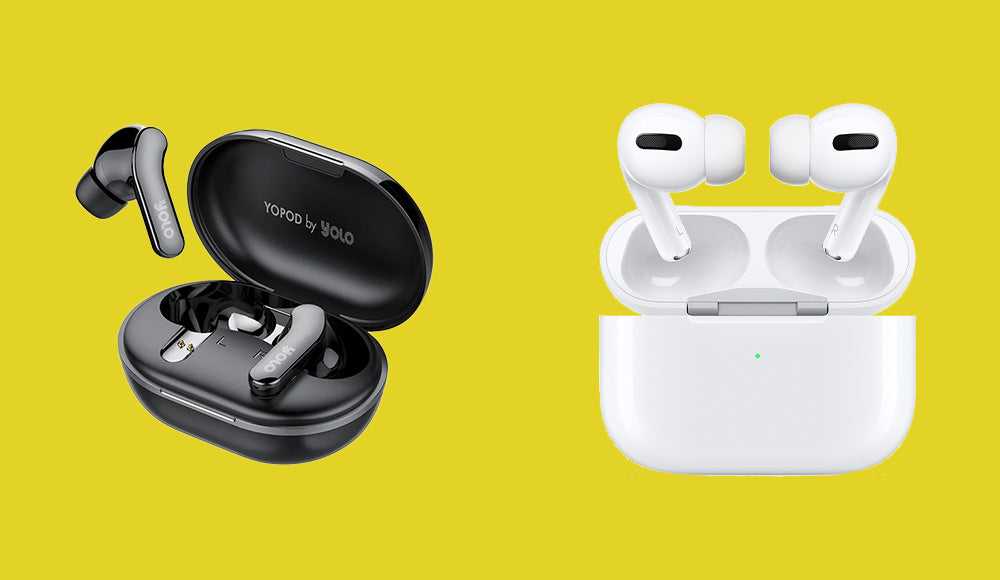
The main difference lies in design, features, and brand ecosystem. AirPods are Apple’s premium wireless earbuds with seamless integration into Apple devices, while earbuds are a broad category that includes various brands with different features and price ranges.
AirPods are sleek, wireless, and designed specifically for Apple users, often offering features like automatic pairing and active noise cancellation. Earbuds, on the other hand, can be wired or wireless, come in many styles, and cater to a wider audience with diverse needs and budgets.
If you’re trying to decide between the two, understanding their distinctions can help you choose the right fit for your lifestyle. Whether it’s the convenience of AirPods or the variety of earbuds, knowing their differences ensures you find the perfect audio companion.

What Is the Difference Between AirPods and Earbuds?
Design and Fit
AirPods are wireless earbuds designed by Apple, featuring a sleek, minimalist look. They usually come with a stem that extends downward, which houses touch controls and microphones. Earbuds, on the other hand, can be wired or wireless and often come in various shapes and sizes to fit different ear types. Many earbuds are designed to sit snugly inside the ear canal for a secure fit.
In-Ear Fit and Comfort
AirPods are generally considered semi-in-ear, meaning they sit outside the ear canal. This design makes them comfortable for long wear but may not provide as much noise isolation. Earbuds that fit inside the ear canal often block out more background noise and can be more secure during physical activities. Some earbuds come with adjustable ear tips to enhance comfort and fit.
Variety of Shapes and Sizes
Earbuds come in many styles, including those with silicone tips, foam tips, or hard plastic shells. This variety allows users to choose a fit that best suits their ear shape and activity level. AirPods have a uniform design, which may not fit all ears equally well but is praised for its lightweight nature.
Sound Quality and Noise Isolation
Sound quality is a crucial factor when comparing AirPods and earbuds. While both aim to deliver clear audio, their design impacts sound performance.
AirPods Sound Profile
AirPods offer balanced sound with decent bass, mids, and treble. They are optimized for clarity and are suitable for casual listening, calls, and media consumption. Due to their open design, they do not provide significant noise isolation but allow some ambient sound.
Earbuds Sound Profile
In-ear earbuds with silicone or foam tips often deliver better sound isolation. This setup enhances bass response and reduces external noise, making them a better choice for noisy environments or active use. High-end earbuds can also include customizable equalizers for a personalized listening experience.
Connectivity and Compatibility
Wireless connectivity is a common feature for both AirPods and many earbuds, but there are differences worth noting.
AirPods Connectivity
AirPods connect seamlessly with Apple devices via Bluetooth and automatically sync across all Apple products linked to the same iCloud account. They support features like automatic ear detection, quick pairing, and device switching.
Earbuds Compatibility
Earbuds may connect via Bluetooth or wired connections. Wireless earbuds from various brands offer compatibility across different operating systems. Some models include additional features such as multipoint pairing and customizable controls, but they may not integrate as smoothly with Apple devices.
Battery Life and Charging
Battery life varies widely between AirPods and other earbuds, especially wired models.
AirPods Battery Life
AirPods typically provide around 4 to 6 hours of listening time on a single charge. The charging case holds multiple additional charges, extending total listening time to over 24 hours. Fast charging can give about 3 hours of use after just 15 minutes of charging.
Other Earbuds Battery Options
Wireless earbuds from different brands may have shorter or longer battery lives, ranging from 3 to 8 hours per charge. Wired earbuds rely on the device’s power and do not require charging. Some advanced wireless earbuds include quick charge features and larger batteries for longer sessions.
Pricing and Value
Price points can help distinguish between AirPods and general earbuds, but value depends on usage needs.
Cost of AirPods
Apple’s AirPods range from affordable to premium, with standard models starting around 150 USD. The higher-end AirPods Pro, with active noise cancellation and customizable fit, can cost upwards of 250 USD.
Pricing for Earbuds
Earbuds are available at various price ranges, from budget options under 50 USD to high-end models exceeding 300 USD. High-quality earbuds from brands like Sony, Bose, or Samsung often come with advanced features similar to AirPods Pro.
Features and Technology
Features like active noise cancellation, spatial audio, and touch controls add to the appeal of earbuds and AirPods.
AirPods Features
AirPods Pro include active noise cancellation and transparency modes for situational awareness. Spatial audio provides a surround sound experience. They also feature touch controls, voice-activated Siri, and automatic device switching.
Additional Earbud Features
Many earbuds offer noise-canceling options, customizable sound profiles, and touch controls. Some brands include features like water resistance, fitness tracking, or customizable ear tips for better fit.
Water Resistance and Durability
Durability depends on the build quality and design.
AirPods Durability
Standard AirPods are somewhat resistant to sweat and water, but not fully waterproof. The AirPods Pro feature an IPX4 rating, making them suitable for workouts and light rain.
Earbuds Durability
Water-resistant earbuds vary by model and brand. Look for models with IPX4 or higher ratings for outdoor activities or workouts. Wired earbuds are generally less susceptible to water damage but are more prone to wear and tear.
Use Cases and Activity Compatibility
Different designs suit different uses, from casual listening to sports and workouts.
AirPods for Everyday Use
AirPods are perfect for commuting, working, and casual listening. Their lightweight design and easy pairing make them convenient for daily errands.
Earbuds for Active Use
High-quality earbuds with secure fit and water resistance are ideal for running, working out, or outdoor adventures. Earbuds with noise cancellation are also beneficial in noisy environments like gyms or busy streets.
Additional Related Topics
- Choosing the right earbuds for gym and sports
- How to improve comfort and fit with different ear tips
- Understanding Bluetooth protocols and connectivity issues
- How to care for and clean your wireless earbuds and AirPods
This comprehensive comparison sheds light on the key differences and similarities between AirPods and other earbuds. Recognizing their unique features helps in selecting the right device for your needs, whether you prioritize design, sound quality, durability, or price.
AirPods 4 (ANC) vs. AirPods Pro 2 – Which Should You Buy?
Frequently Asked Questions
How do the design differences impact user comfort between AirPods and traditional earbuds?
AirPods feature a sleek, ergonomic design that fits comfortably in the ear without causing pressure points, making them suitable for extended use. Traditional earbuds come in various shapes and sizes, which may require adjustments for a secure fit; some users find them less comfortable during long periods, especially if they don’t match their ear shape perfectly.
In what ways do battery life and charging methods vary between AirPods and other earbuds?
AirPods generally offer longer battery life on a single charge, often lasting up to five hours of listening time, with additional charges provided by a charging case. Many earbuds require frequent charging due to shorter battery spans, and charging options vary—some use USB-C or proprietary cases. The convenience of wireless charging cases is common in AirPods, providing quick and easy recharging.
What differences exist in sound quality and noise cancellation features?
AirPods, especially the Pro models, incorporate active noise cancellation, providing a more immersive listening experience. They also deliver well-balanced sound tailored by Apple’s tuning. Traditional earbuds’ sound quality varies widely based on brand and price, and while some high-end models offer noise cancellation, many budget options lack this feature, leading to a different listening experience.
How do connectivity options differ between AirPods and standard earbuds?
< p>AirPods connect seamlessly via Bluetooth with Apple devices, offering quick pairing and stable connections. They support features like automatic device switching and audio sharing. Standard earbuds may require manual pairing and might not offer the same level of integration or ease of use, especially if they lack advanced Bluetooth versions or device-specific features.
What considerations should users have regarding durability and water resistance?
AirPods are built with a certain level of water and sweat resistance, especially in Pro models, making them suitable for workouts. Not all earbuds offer water resistance, so users need to check specifications based on their activity needs. Durability varies across brands and price ranges, with premium models generally providing better build quality and protection against elements.
Final Thoughts
The difference between airpods and earbuds lies mainly in design, functionality, and compatibility. Airpods are wireless and integrate seamlessly with Apple devices, offering features like active noise cancellation and easy pairing. Earbuds, on the other hand, vary widely in style and are often compatible with multiple devices.
While airpods emphasize effortless user experience and advanced features, earbuds tend to be more versatile and budget-friendly. Understanding these distinctions helps you choose the best fit for your needs. What is the difference between airpods and earbuds? It boils down to convenience, technology, and personal preference, making each suitable for different lifestyles.

Similar Posts