What Is Iphone Screen Repair: A Complete Guide

What Is iPhone Screen Repair?
When your iPhone’s screen gets damaged, whether through a sudden drop or other accidents, it can be frustrating and inconvenient. Many people wonder what exactly is involved in iPhone screen repair, how it works, and why it’s important. In this section, we’ll explore everything you need to know about iPhone screen repair in a simple, clear way. First, let’s understand what an iPhone screen really is. The screen is not just the display that shows you images, videos, and apps. It’s also a delicate piece of technology made up of multiple layers. These layers include the glass, touch sensors, LCD or OLED display, and sometimes even protective coatings. If any of these layers get damaged, the entire screen can stop functioning properly. So, what does iPhone screen repair involve? Basically, it means fixing or replacing damaged parts of the screen so your device looks new and works perfectly again. The goal is to restore the display’s clarity, touch sensitivity, and overall performance. Depending on the damage, repair can involve fixing minor scratches, cracks, or complete replacement of the entire screen assembly. Now, let’s talk about why iPhone screen repair is so important. The screen is the main way you interact with your phone. If it’s cracked or doesn’t respond to touch, it becomes difficult and frustrating to use. Plus, a damaged screen can sometimes lead to further problems, like internal damage or even safety hazards such as glass shards. Repairing the screen promptly can prevent these issues and help extend your device’s lifespan. In the next parts of this article, we’ll dive deeper into different types of screen damages, the repair process, costs involved, and tips on choosing the right repair service. Whether you want to do it yourself or seek professional help, understanding what’s involved in iPhone screen repair helps you make smart decisions and avoid scams or unnecessary expenses.Types of Damage That Require Screen Repair
Not all damages are the same. Some problems are minor, like scratches, while others are more severe, like shattered screens. Let’s look at common types of damage:Cracked Screens
Many iPhone owners experience cracks after dropping their device. The cracks can be small lines or large, spider-web patterns spreading across the screen. These cracks can weaken the glass and make it more prone to shattering later.Shattered Screens
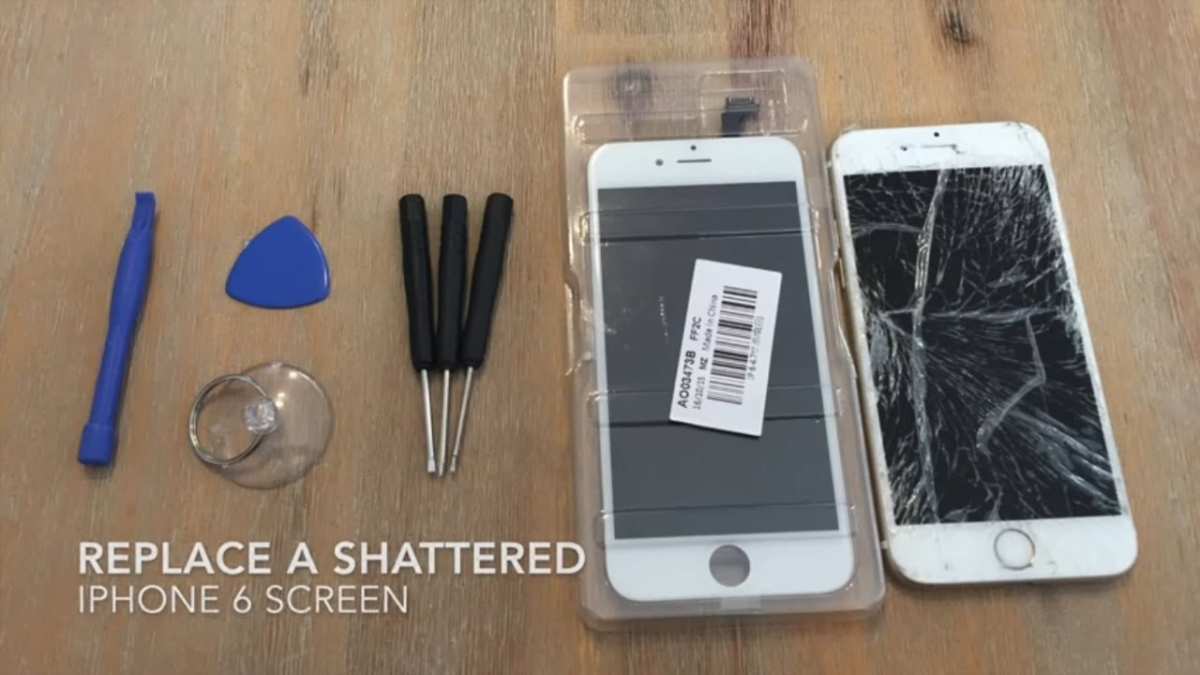
When the glass breaks into pieces, the screen is considered shattered. This damage is usually caused by a hard impact and often needs immediate replacement. A shattered screen can obstruct your view and make touch response unreliable.Touch Sensitivity Issues
Sometimes the glass looks fine, but the touch function doesn’t work properly. This can happen due to internal damage, water exposure, or hardware faults, affecting how you interact with your device.Discoloration and Dead Pixels
Another problem involves parts of the screen turning black, discolored, or showing dead pixels. These issues can make viewing difficult and may require a screen replacement to fix.Understanding the Repair Process
The process of repairing an iPhone screen varies depending on the damage type and the model. Typically, professional repair involves these key steps:Assessment
A technician will examine your device carefully to understand the extent of the damage. They will check if only the glass is broken or if internal components like the LCD or touch sensors are affected.Choosing Repair Options
After evaluation, you’ll discuss available repair options. Sometimes, a simple glass replacement suffices. In more severe cases, replacing the entire display assembly is necessary to ensure full functionality.Disassembly
Technicians carefully open the device using specialized tools, removing the rear cover and other components. This step requires precision to avoid further damage.Replacement of Damaged Parts
Once the broken parts are exposed, they either replace just the glass or swap out the entire display assembly, which includes the LCD or OLED panel and other internal components.Reassembly and Testing
After replacing the damaged parts, technicians reassemble the device and perform thorough testing. They ensure the screen displays correctly, touch functions work accurately, and there are no residual issues.Final Quality Check
Finally, the device undergoes a quality check to verify the repair’s success. If everything is satisfactory, you can pick up your iPhone and start using it again.Do-It-Yourself vs. Professional Repair
Many people wonder whether they can repair their iPhone screen by themselves. While DIY repair kits are available, they come with risks. Here’s a comparison:- DIY Repair
- Usually cheaper upfront
- Requires technical skills and special tools
- Higher risk of making mistakes or causing further damage
- May void your warranty if not done properly
- Professional Repair
- Offers expert care and guaranteed results
- Usually comes with warranty on parts and service
- Faster turnaround time
- More reliable, especially for complex damages
Cost of iPhone Screen Repair
The price of repairing an iPhone screen depends on several factors:- iPhone Model — newer models like iPhone 14 cost more to repair than older versions.
- Type of Damage — minor cracks might be cheaper to fix than full replacement of the display assembly.
- Repair Provider — authorized Apple service providers may charge more but guarantee original parts and quality.
| iPhone Model | Screen Repair Cost (Estimated) | Replacement Cost (if needed) |
|---|---|---|
| iPhone 13 Mini | $150 – $250 | $300 – $400 |
| iPhone 12 | $130 – $230 | $280 – $380 |
| iPhone SE (2022) | $80 – $150 | $150 – $250 |
| Older Models (iPhone 8 or earlier) | $80 – $180 | $150 – $250 |
Tips for Maintaining Your iPhone Screen
Proper care can prolong the life of your screen and reduce the chances of damage:- Use a protective case that absorbs shocks during falls.
- Apply a screen protector to guard against scratches and cracks.
- Avoid placing your phone near keys, coins, or other hard objects.
- Keep your device away from water and extreme temperatures.
- Handle your iPhone with care, especially when using it in busy or cluttered areas.
Frequently Asked Questions
How can I tell if my iPhone screen needs repair?
You can identify the need for a screen repair if you notice cracks, shattered glass, or dead pixels on your display. Additionally, if the screen responds poorly to touch or if colors appear distorted, these signs indicate possible damage requiring professional attention.
What are the common causes of iPhone screen damage?
Most iPhone screens get damaged due to accidental drops, impacts with hard surfaces, or applying excessive pressure on the device. Exposure to harsh environments like water or extreme temperatures can also weaken the screen’s integrity over time.
What does the process of repairing an iPhone screen involve?
Repairing an iPhone screen involves carefully removing the broken display, inspecting internal components for damage, and replacing the damaged parts with original or compatible screens. Technicians often calibrate and test the device afterward to ensure proper functionality.
Is it better to get my iPhone screen repaired or replaced entirely?
If your screen has minor cracks or internal issues, repairing it usually suffices and is more cost-effective. However, if the damage is extensive, such as multiple cracks or internal display problems, replacing the screen might be the better option to ensure device longevity and performance.
How long does an iPhone screen repair typically take?
The duration of a screen repair varies depending on the damage severity and the repair service’s efficiency. Most repairs can be completed within an hour or two if parts are readily available, but some cases may require more time.
Final Thoughts
La réparation de l’écran de l’iPhone consiste à restaurer l’écran endommagé ou cassé. Elle implique le remplacement de l’écran ou de ses composants défectueux pour garantir un bon fonctionnement. Cela améliore non seulement l’apparence de votre appareil, mais aussi sa performance. En résumé, ce qu’est la réparation de l’écran d’iPhone, c’est une solution rapide pour retrouver un téléphone comme neuf.
Similar Posts