What Can Charge Macbook Pro: Best Charging Options

What Can Charge MacBook Pro?
Many people wonder what devices can charge a MacBook Pro. Knowing this helps you stay prepared, especially when you’re traveling or working remotely. Let’s explore all the options available for charging your MacBook Pro safely and efficiently.
Understanding the Power Requirements of MacBook Pro
The MacBook Pro requires a specific amount of power to charge properly. Most models need between 61W and 96W, depending on the size and year of release. Using a charger with the right wattage ensures fast charging without damaging the battery.
High wattage chargers provide quicker charging times, but it’s essential to match or exceed the original wattage for optimal performance. Using a charger with too low wattage can lead to slow charging or no charging at all.
The Original Charger: Apple’s MagSafe and USB-C
Apple supplies the MacBook Pro with a dedicated charger. Older models use MagSafe connectors, while newer models use USB-C. These chargers are designed specifically for your device.
Using the original charger guarantees compatibility and safety. It also helps maintain your MacBook’s battery health over time.
Charging Your MacBook Pro with USB-C Power Adapters
Most newer MacBook Pro models use USB-C ports for charging. This opens up options beyond Apple’s original chargers.
Many third-party USB-C power adapters can effectively charge a MacBook Pro. However, it’s important to select a reputable brand that provides the correct wattage and safety features.
Can You Use Other USB-C Devices to Charge a MacBook Pro?
Usb-C Power Banks
Portable power banks with USB-C Power Delivery (PD) are a practical way to charge your MacBook Pro on the go. Choose a power bank with at least 30W to 100W output for effective charging.
Note that charging speeds depend on the power bank’s wattage and the MacBook Pro model. High-capacity power banks with higher wattage are preferable for faster charging.
Universal USB-C Chargers
Many universal USB-C chargers can charge multiple devices including your MacBook Pro. Make sure they support Power Delivery and have enough wattage. These chargers are convenient for travelers who carry multiple gadgets.
Charging with Charging Hubs and Docking Stations
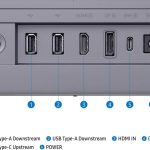
Some docking stations feature built-in USB-C PD ports capable of charging a MacBook Pro. This setup is ideal for workstations and offers multiple ports for accessories.
Always check the wattage output of these hubs to ensure they meet your MacBook’s charging needs. Using a dock with insufficient power can lead to slow charging or no charge when connected.
Using Non-Apple Accessories Safely
What to Look for in Third-Party Chargers
Always choose chargers that support Power Delivery (PD) and have safety certifications like UL or FCC. Avoid cheap, low-quality chargers to prevent damage to your MacBook and battery.
Read reviews and verify the wattage before purchasing. A reliable third-party charger can be a cost-effective and portable alternative to the original charger.
Electrical Compatibility and Safety Tips
- Check that the charger’s voltage and current match your region’s electrical standards.
- Avoid chargers with incompatible power ratings, which can cause overheating or damage.
- Use a surge protector when plugging into wall outlets for added safety.
Impact of Using Different Chargers
Using chargers with mismatched wattage can affect charging speed and battery health over time. High-quality chargers support fast charging without risking damage.
Always prioritize safety and compatibility, even if it means sticking with the original or certified third-party options.
Compatibility with Older or Different Devices
Charging MacBook Pro with iPad Chargers
Some iPad chargers with USB-C PD can charge MacBook Pros, especially the larger models. Usually, they deliver around 18W to 30W, which is enough for slow charging or topping up.
Using a higher wattage iPad charger may not necessarily increase charging speed. For optimal results, use a charger that meets or exceeds your MacBook Pro’s requirements.
Charging Other Laptops or Smartphones
While smartphones and smaller laptops can be charged with USB-C chargers, they typically don’t supply enough power for MacBook Pros. Be cautious and verify wattage before attempting these options.
Charging your MacBook Pro with a device that supplies less than 30W may result in very slow charging or no charge at all.
Battery Maintenance During Charging
Using the correct charger helps maintain the battery’s health. Avoid frequently using low-wattage or incompatible chargers to prevent battery degradation.
High-quality chargers also help prevent overheating and overcharging, prolonging your MacBook’s lifespan.
Summary: What Can Charge MacBook Pro?
In summary, a MacBook Pro can be charged using:
- Apple’s original MagSafe or USB-C chargers specific to your model
- Third-party USB-C PD chargers from reputable brands
- Portable power banks supporting USB-C Power Delivery with adequate wattage
- Charging hubs or docking stations with enough power output
- Compatible iPad chargers with sufficient wattage for slow charging
Always prioritize safety, compatibility, and wattage to ensure your MacBook Pro charges properly and remains in good condition. Knowing what can charge your MacBook helps you stay ready in all your working and traveling situations.
Frequently Asked Questions
Can a standard USB-C charger power a MacBook Pro?
While some USB-C chargers can provide enough power to charge a MacBook Pro, it’s essential to use a charger that delivers sufficient wattage. Apple recommends using a charger with at least 61W for 13-inch models and up to 96W for 16-inch models to ensure optimal charging speed and safety. Using a lower wattage charger may result in slower charging or insufficient power during intensive tasks.
Is it possible to charge a MacBook Pro with a phone charger?
Charging a MacBook Pro with a phone charger is generally not recommended unless the phone charger provides the appropriate wattage and USB-C Power Delivery (PD) support. Most phone chargers lack the power output needed for MacBook Pros, which can lead to very slow charging or no charging at all. Always check the wattage and compatibility before attempting to use a phone charger for your MacBook Pro.
Can a portable power bank charge a MacBook Pro?
Yes, certain high-capacity portable power banks can charge a MacBook Pro, provided they offer enough power output with USB-C PD support. Look for power banks that deliver at least 30W, ideally 60W or higher, to ensure proper charging. Make sure the power bank has a compatible USB-C port and supports fast charging to keep your MacBook Pro charged efficiently during travel or outdoor work.
Are there specific charging cables needed for MacBook Pro?
Yes, using the right charging cable is crucial for safe and effective charging. Apple recommends using the official USB-C charging cable that comes with your MacBook Pro or certified third-party cables that meet safety standards. These cables are designed to handle the required power levels and prevent issues like overheating or damage to your device.
Can I use a regular wall outlet to charge my MacBook Pro?
Absolutely. A regular wall outlet provides the standard electrical power needed to charge your MacBook Pro. Simply connect your compatible charger and cable to the outlet. Just ensure that the charger you use is rated appropriately for your MacBook model and that you follow safety standards to avoid electrical issues.
Final Thoughts
What can charge MacBook Pro? Various options exist, including the official Apple charger, USB-C power adapters, and compatible third-party chargers. Ensure the charger supplies the correct wattage—usually 61W or 96W for newer models—for safe and efficient charging. Using the right charger prevents damage and maintains battery health. Picking the proper charger is essential for reliable performance and convenience.
Similar Posts