Is Windows 11 Still Free In 2023

Is Windows 11 still free?
Introduction to Windows 11 and Its Pricing History
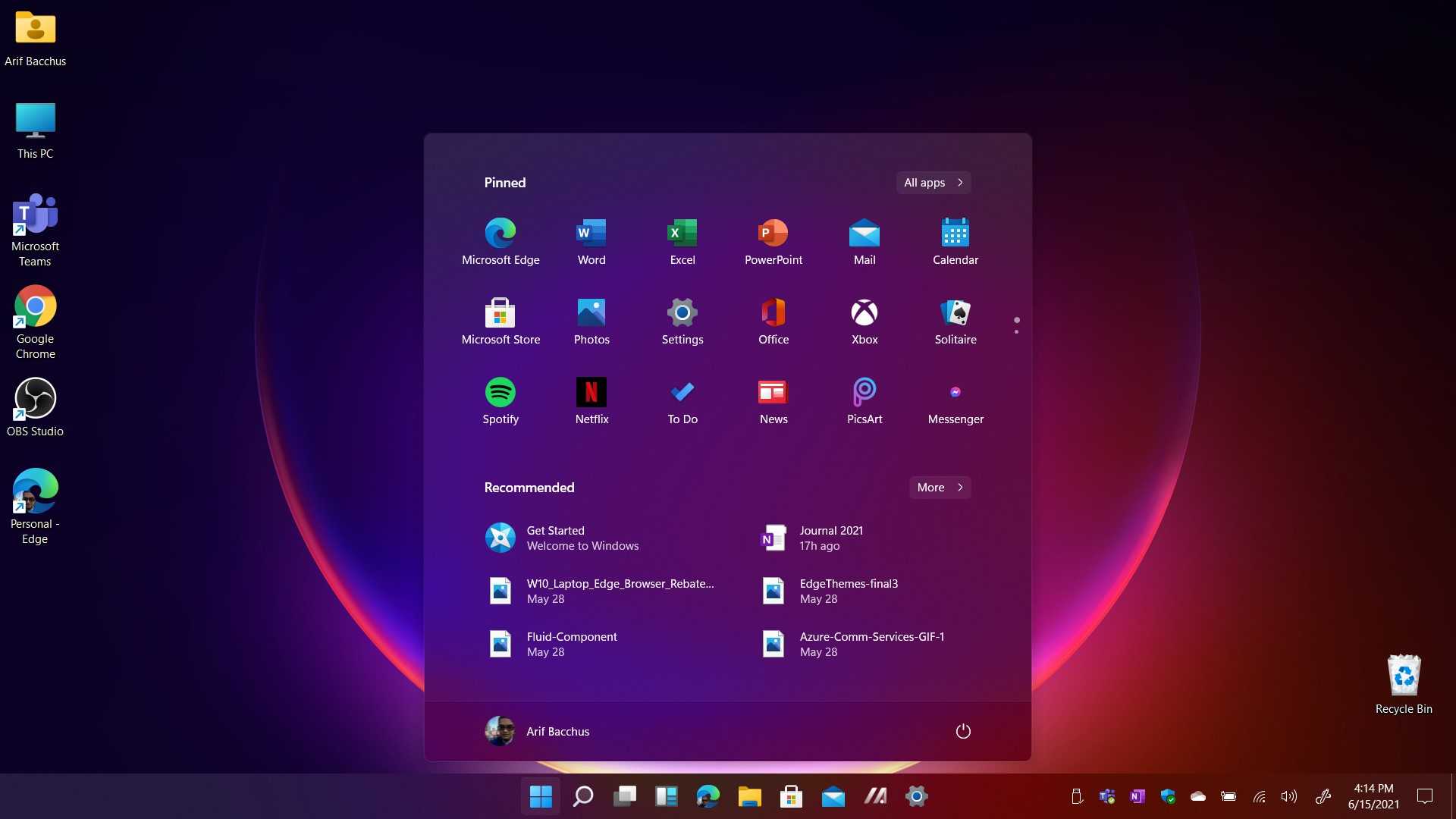
Windows 11, the latest operating system from Microsoft, was officially announced in June 2021. Many users wondered whether upgrading to Windows 11 would come with a cost. Initially, Microsoft offered Windows 11 as a free upgrade for eligible Windows 10 users. This move surprised some, given Microsoft’s previous paid upgrades for major Windows versions.Microsoft’s Official Stance on the Free Upgrade
Microsoft clearly stated that eligible Windows 10 devices could upgrade to Windows 11 at no extra charge. This free upgrade policy was designed to encourage users to adopt the new OS without financial barriers. However, this offer was limited to specific hardware conditions and phased over time.Who Qualifies for the Free Upgrade?
Eligibility depends on several factors, including hardware specifications and existing Windows 10 versions. Eligible devices typically include those running Windows 10 Home or Pro editions with supported hardware components. Microsoft also prioritized newer devices for the upgrade to ensure a smooth transition.Minimum Hardware Requirements for Windows 11
To upgrade, devices must meet certain minimum specifications. These include:- 64-bit compatible processor
- 4GB RAM
- 64GB storage
- UEFI firmware with Secure Boot capability
- Trusted Platform Module (TPM) version 2.0
- DirectX 12 compatible graphics card
Is Windows 11 Still Free for New and Existing Users?
As of October 2023, **Windows 11 continues to be offered as a free upgrade** for eligible Windows 10 users. Microsoft maintains this policy to promote widespread adoption. However, for new devices, especially those not eligible for the upgrade, the OS now comes pre-installed and must be purchased.What about New Devices? Are They Free?
Pre-installed Windows 11 on brand-new computers is **not free**. Buyers must pay for the device itself, which includes the Windows license in the total price. This is similar to previous Windows versions, where the OS cost is embedded into the device price.Upgrading Older Devices to Windows 11
For users with older devices not initially eligible, Microsoft provides the **PC Health Check Tool**. This tool helps determine if their hardware can run Windows 11 and guides users through the upgrade process if compatible.Cost of Upgrades for Ineligible Devices
Devices that do not meet the hardware requirements cannot upgrade for free. If users wish to upgrade, they may need to purchase new hardware or upgrade components. Alternatively, they can continue using Windows 10, which will have support until 2025.Will Microsoft Charge for Major Updates in the Future?
Microsoft has indicated that **future major Windows updates will remain free** for supported versions. However, they reserve the right to introduce new licensing policies for hardware or software services over time.What About Windows 11 in Enterprise and Education Editions?
Organizations and educational institutions often use Windows 11 Enterprise and Education editions. These versions typically require volume licensing agreements, which involve costs. However, updates and upgrades within these editions are managed centrally, often at no additional individual cost.Cost Considerations for Businesses and Schools
Businesses and schools might pay for licensing or support services but generally receive operating system updates at no extra charge. Microsoft’s aim is to facilitate a smooth transition for organizational deployments.Summary: Is Windows 11 Still Free? Key Takeaways
- The upgrade from Windows 10 to Windows 11 is **free for eligible devices**.
- New devices pre-installed with Windows 11 **are not free** but included in the device cost.
- Older devices that do not meet hardware requirements **cannot upgrade for free**.
- Microsoft **intends to keep Windows 11 updates free** for supported editions.
Additional Topics Related to Windows 11 Pricing
How Windows 11 Pricing Compares to Previous Versions
Historically, Microsoft charged for major Windows releases, such as Windows XP, Vista, and Windows 7. With Windows 10, the company shifted to a free upgrade model, a policy that continues with Windows 11.Options for Users Who Want Windows 11 but Are Not Eligible
Users with incompatible hardware can consider:- Purchasing newer hardware that meets Windows 11 specifications
- Sticking with Windows 10 until support ends in 2025
- Exploring alternative operating systems like Linux
Are There Any Hidden Costs When Upgrading?
While the upgrade itself is free, users might face costs related to:- Hardware upgrades to meet Windows 11 requirements
- Software compatibility issues
- Technical support if needed during the upgrade process
BEFORE you update to Windows 11 – do these 5 things!
Frequently Asked Questions
Are there any costs involved in upgrading to Windows 11 now?
Upgrading to Windows 11 remains free for eligible Windows 10 devices. Microsoft offers the update at no additional charge for users who meet the system requirements. However, if you want a fresh installation or are switching from an unsupported device, you might need to purchase a new license.
Will my current Windows 10 license work with Windows 11 after the upgrade?
Yes, your existing Windows 10 license generally transfers seamlessly when upgrading to Windows 11. As long as your device qualifies for the upgrade, you won’t need to buy a new license, and the activation remains valid after the upgrade.
Are there restrictions on who can upgrade for free to Windows 11?
Yes, only devices that meet specific hardware requirements can upgrade for free. Microsoft set minimum standards, such as TPM 2.0 and secure boot capabilities. Devices that do not meet these criteria may not receive the upgrade unless you modify hardware components or purchase a new device.
Does the free upgrade include all editions of Windows 10?
No, the free upgrade primarily targets Windows 10 Home and Pro editions. Other editions, such as Enterprise or Education, may have different upgrade policies or licensing arrangements. You should verify your edition before planning the upgrade.
Are there any costs for Windows 11 features after the upgrade?
Most features in Windows 11 are included in the free upgrade. However, some premium services or applications, such as Microsoft Office or additional security tools, might require separate purchases or subscriptions. The core OS and most built-in features are free with the upgrade.
Final Thoughts
Windows 11 was initially offered as a free upgrade for eligible Windows 10 users. However, Microsoft now emphasizes purchasing new devices with Windows 11 pre-installed. Existing users can still upgrade without charge, provided their hardware meets the requirements. In conclusion, Windows 11 is no longer universally free for all users. Is Windows 11 still free? It depends on your device and upgrade eligibility. Check your system specs and stay informed about current policies to determine your options.
Similar Posts