Is It Safe To Use Airpods After Water Damage
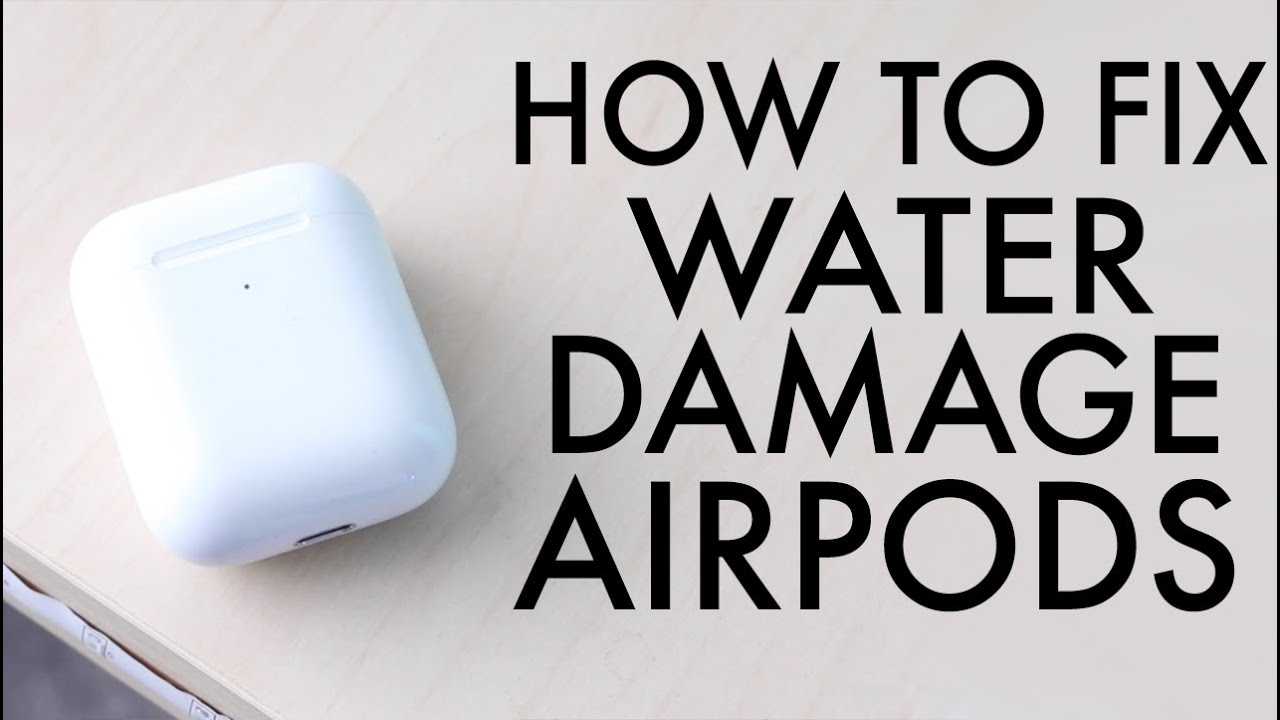

Is It Safe to Use AirPods After Water Damage?
Understanding How Water Affects AirPods
Water can cause serious issues for electronic devices like AirPods. When water gets inside, it can damage internal components such as circuit boards, batteries, and microphones. Even if the device seems dry on the outside, moisture might still be lurking inside. The design of AirPods offers some water resistance, especially newer models, but they are not completely waterproof. Water resistance mainly protects against sweat and light splashes, not full water immersion. Therefore, it’s essential to know whether your AirPods have been submerged or just exposed to moisture.Signs Your AirPods Have Water Damage
Identifying water damage early can help determine the next steps. Watch out for these signs:- Audio issues like crackling sounds or muffled sound
- Connection problems or difficulty pairing with your device
- Battery draining faster than usual
- Physical corrosion or rust on the AirPods or charging case
- LED indicator showing unusual colors or not lighting up
Should You Use Water-Damaged AirPods?
Using AirPods with water damage can be risky. Water inside can cause short circuits or corrosion over time, leading to a complete failure of the device. Continuing to use them can worsen the damage or even pose safety risks like overheating. The safest approach is to stop using your AirPods immediately after water exposure. Allow them to dry thoroughly before considering any further use or repairs.Immediate Steps to Take After Water Exposure
Time is critical after water damage occurs. Follow these quick steps:- Remove the AirPods from your ears to prevent further damage.
- Turn off the AirPods if possible to prevent electrical shorts.
- Gently wipe off any water on the surface with a soft, dry cloth.
- Do not try to turn them on or charge them immediately.
- Place your AirPods in a dry, ventilated area to dry naturally.
Best Methods to Dry Water-Exposed AirPods
Proper drying is crucial in preventing long-term damage. Here are proven drying techniques:Using Silica Gel Packs
Silica gel packs are highly effective at absorbing moisture. Place your AirPods in a small container with several packs. Seal and leave them for at least 24 to 48 hours.Using Uncooked Rice
While common, rice can help absorb moisture but is less efficient than silica gel. Ensure the rice does not get inside the AirPods. Keep them in a sealed container for 48 hours.Air Drying
Simply leaving them in a dry, well-ventilated space can work. Avoid humidity-heavy areas or direct sunlight, which can damage the plastic and internal parts.Can You Repair Water-Damaged AirPods?
Repair options depend on the extent of damage. Minor moisture exposure sometimes can be fixed with proper drying and cleaning. However, if internal components are corroded or damaged, professional repair or replacement may be necessary. Apple’s warranty does **not** usually cover water damage, so costs for repairs can vary widely.Preventing Water Damage in the Future
Protection is better than repair. Here are some tips:- Use water-resistant or waterproof cases for your AirPods if you frequently work out or are outdoors.
- Avoid using your AirPods near pools, beaches, or in heavy rain.
- Remove your AirPods before sweating excessively or during high humidity conditions.
- Consider investing in models with higher water resistance ratings, like AirPods Pro or newer iterations.
Are Newer AirPods Models More Water-Resistant?
Yes, recent models, including AirPods Pro and AirPods Pro 2nd generation, offer better water and sweat resistance. They have an IPX4 rating, which can withstand splashes and sweat, but they are **not** fully waterproof. Even with higher water resistance, it’s crucial to avoid full immersion or submerging your AirPods in water.When to Consider Professional Repair or Replacement
If your AirPods show persistent issues after drying, it might be time to seek professional help. Apple authorized service providers can diagnose internal problems and advise on repairs. In some cases, especially with significant water exposure, replacing your AirPods is more cost-effective than repairing them. Using AirPods after water damage is generally not recommended without proper drying and assessment. Water can cause ongoing internal damage, which may not be immediately visible. Always dry your AirPods thoroughly and monitor their performance. When in doubt, consult a professional or opt for a replacement to ensure safety and optimal functionality. Taking preventive measures and acting quickly can significantly extend the life of your AirPods after water exposure. Remember, water resistance is not the same as waterproofing, so caution is always advised.Dropped Your AirPods in Water? DO THIS IMMEDIATELY #shorts | iGeeksBlog
Frequently Asked Questions
Can water-damaged AirPods still be used safely before attempting repairs?
If your AirPods have water exposure, it’s best to avoid using them until you verify they are completely dry and functioning properly. Using water-damaged AirPods can cause further damage or electrical hazards. Let them dry completely in a well-ventilated area for at least 24-48 hours before testing them. If they do not turn on or exhibit unusual behavior after drying, consider consulting professional repair services instead of using them directly.
What signs indicate that water damage has compromised my AirPods’ safety?
Look for indicators such as distortion in audio quality, unresponsive controls, or irregular charging behaviors. If the AirPods or their charging case feel excessively hot or emit a strange odor, these signs suggest internal damage that could pose safety risks. Avoid using them further and seek expert assessment to prevent potential hazards or additional damage.
Would attempting to dry or clean water-damaged AirPods help restore safety and functionality?
Drying your AirPods thoroughly can prevent further internal damage, but cleaning alone might not restore safety if water has caused internal corrosion or short circuits. In some cases, cleaning could worsen the situation if not done properly. It’s safer to allow professional technicians to assess and repair your AirPods rather than attempting DIY cleaning, especially if they show signs of water intrusion.
Are there potential health risks associated with using water-damaged AirPods?
Using water-damaged AirPods could expose you to electrical faults or corrosion that may lead to malfunctions, such as overheating or short circuits. These issues could cause minor injuries like burns or shocks. To ensure your safety, avoid using devices that have suffered water damage until professionals confirm they are safe to operate.
How long should I wait before considering my AirPods safe to use again after water exposure?
It’s advisable to wait at least 48 hours after the water exposure, ensuring they are fully dried. Even then, test the AirPods carefully for any irregularities before regular use. If you notice persistent issues or suspect internal damage, consult a professional to evaluate the device’s safety and functionality before resuming use.
Final Thoughts
Using AirPods after water damage can be risky. Water may cause internal corrosion or short circuits, which could lead to malfunction or complete failure. If your AirPods get wet, dry them thoroughly and avoid charging or using them immediately. Is it safe to use AirPods after water damage? Generally, it is not recommended until you are sure they are completely dry and functioning properly. Prioritize safety to prevent further damage.
Similar Posts