How To Make The Apps Smaller On Android For Better?
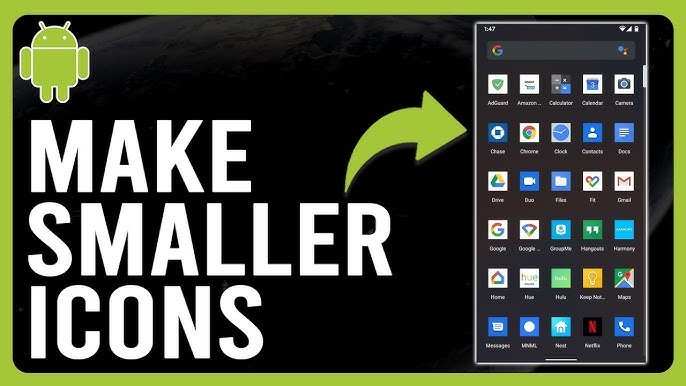

How to Make the Apps Smaller on Android
Managing the size of apps on your Android device can significantly improve your phone’s performance and give you more space for important files, photos, and other apps. Over time, apps tend to grow in size due to updates, cached data, and added content. If your device is running out of storage or if you just want to keep things neat and tidy, learning how to make apps smaller can be very helpful. Let’s explore multiple ways to achieve this, from simple adjustments to more advanced tips.Understanding Why Apps Take Up Space
Before diving into how to make apps smaller, it’s good to understand what makes apps large in size. Several factors contribute to app size:- App Data and Content: This includes images, videos, or other media files stored within the app.
- Updates and Patches: New features and bug fixes often bump up the app size over time.
- Cached Data: Temporary files stored by apps to make them run faster but can accumulate and consume storage.
- App Features: More features often mean more files, which increase app size.
Uninstall Unused Apps to Clear Space
One of the easiest ways to free up space is by removing apps you no longer use or need. Sometimes, we download apps but forget about them or stop using them after a while. Removing these helps free storage and can sometimes reduce background data usage.- Long press on the app icon on your home screen or app drawer.
- Select the Uninstall option from the menu.
- Confirm by tapping OK.
Clear Cache and App Data Regularly
Caches are temporary files that apps store to load faster and perform better. While caches improve performance, they can become quite large over time, occupying valuable space.How to clear cache for specific apps
Step-by-step instructions:
- Open the Settings app on your device.
- Scroll down and tap Apps & notifications.
- Select See all apps to view your installed apps.
- Tap on the app you want to clear cache for.
- Choose Storage & cache.
- Tap Clear Cache.
Reinstall Apps to Delete Unnecessary Files
Sometimes, simply uninstalling and reinstalling an app can reduce its size. This method removes residual files, caches, and unnecessary data that accumulated over time.- Uninstall the app by long-pressing its icon and selecting Uninstall.
- Go to the Google Play Store and search for the app.
- Tap Install to reinstall a fresh version of the app.
Use Lite Versions of Popular Apps
Many developers offer lightweight versions of their apps designed specifically to use less space and run smoothly on devices with limited storage.- Look for apps named with “Lite” in the Google Play Store, like Facebook Lite or Messenger Lite.
- These versions typically have fewer features but consume significantly less space.
- They also use less data and require less RAM, making them ideal for older or low-spec devices.
Disable or Force Stop Apps You Don’t Use
Some pre-installed or system apps run in the background and consume resources even if you don’t use them actively. Disabling or force stopping these apps can free up both storage space and system resources.Disabling apps
Note: Not all apps can be disabled, especially system-critical ones.
- Go to Settings.
- Tap on Apps & notifications.
- Select the app you want to disable.
- Tap Disable. Confirm if prompted.
Force stopping apps
- Open Settings.
- Navigate to Apps & notifications.
- Select the app.
- Tap Force Stop.
Compress Apps and Files with Third-Party Tools
There are third-party apps available that can help reduce the size of your apps and files, mainly through compressing files and clearing junk data.- APK Extractors: Can create smaller APK files for backup or transfer purposes.
- File Compressors: Apps like ZArchiver or RAR can compress files and folders, freeing storage space.
- Storage Cleaner Apps: Tools like Files by Google can identify and delete unnecessary files, cache, and duplicates.
Update Apps to Their Smaller, More Efficient Versions
Developers update apps regularly, and these updates sometimes include optimizations that reduce app size while improving efficiency.- Open the Google Play Store.
- Tap on your profile icon and go to Manage apps & devices.
- Check for updates under Updates available.
- Update your apps regularly to benefit from size optimizations.
Use Android’s Built-in Storage Management Features
Android phones come with tools that help you manage your device’s storage effectively.Smart Storage
This feature automatically deletes backed-up photos and videos after a certain period.
- Go to Settings.
- Tap on Storage.
- Enable Smart Storage.
Review and Delete Large Files
Use the Files app or storage settings to see which files consume the most space and delete unnecessary ones.- Open Files by Google or your device’s native file manager.
- Navigate to Large Files.
- Select files you no longer need and delete them.
Adjust App Settings to Minimize Storage Usage
Some apps allow you to tweak settings to reduce the amount of space they use.- Limit Media Download: For apps like WhatsApp, set the app to download media only when connected to Wi-Fi or disable auto-download altogether.
- Reduce Media Quality: Choose lower resolution for images or videos within app settings to save space.
- Disable Auto-Update for Less Used Apps: Prevent apps from updating automatically, which can sometimes increase their size.
Stay Updated on New Tools and Tips
The digital world evolves rapidly. Regularly check for new tools or Android updates that can help you manage app sizes better. Keep an eye on Android forums, tech blogs, and device-specific advice to stay current.Summary of Effective Strategies to Make Apps Smaller on Android
| Method | What It Does | Best For |
|---|---|---|
| Uninstall Unused Apps | Clears space by removing apps you don’t need | Freeing storage quickly |
| Clear Cache and Data | Removes temporary files that grow over time | Maintaining app efficiency and saving space |
| Reinstall Apps | Resets app to a smaller, cleaner version | Large apps that accumulate unnecessary files |
| Use Lite Versions | Apps with fewer features that take less space | Low storage devices or older phones |
| Disable or Force Stop | Stops background activity of unused apps | Reducing unnecessary background storage use |
| Third-Party Compression Tools | Compresses files for space saving | Advanced users needing extra space |
| Update Apps Regularly | Enjoy optimized, often smaller app versions | Maintaining app efficiency over time |
| Use Android Management Tools | Automatic cleanup and storage optimization | Effortless space management |
Frequently Asked Questions
How can I reduce the size of apps during installation on Android?
To decrease app size during installation, you can choose the options to install only necessary components or select a lite version of the app if available. Android sometimes offers a lightweight variant that consumes less storage and uses fewer resources, which helps keep the app size manageable from the start.
What steps can I take to free up space from existing apps on Android?
You can clear app cache and data through the device settings to free up space without uninstalling the app. Additionally, removing unnecessary files, disabling unused apps, or moving app data to an SD card can help reduce the overall app footprint on your device.
Is it possible to compress apps to make them smaller on Android?
Android does not provide built-in tools specifically for compressing app sizes, but you can use third-party apps or tools if you are developing your own application. For end users, managing app data and deleting cache is the easiest way to effectively decrease app size on your device.
Can uninstalling updates help make apps take up less space?
Yes, uninstalling updates from an app reverts it to its original size, often reducing storage consumption. You can do this by navigating to the app settings, selecting the app, and choosing ‘Uninstall updates.’ This option can help free up space until you decide to update the app again.
Final Thoughts
To make the apps smaller on Android, start by clearing unnecessary app cache and data. Uninstall apps you no longer use or need, and consider using lighter versions of popular apps. You can also move apps to your SD card if your device supports it. Regular maintenance helps keep your device running smoothly and frees up storage space. By following these steps, you can effectively make the apps smaller on Android and optimize your device’s performance.
Similar Posts