How To Make Games For Android Phones: A Step-By-Step Guide
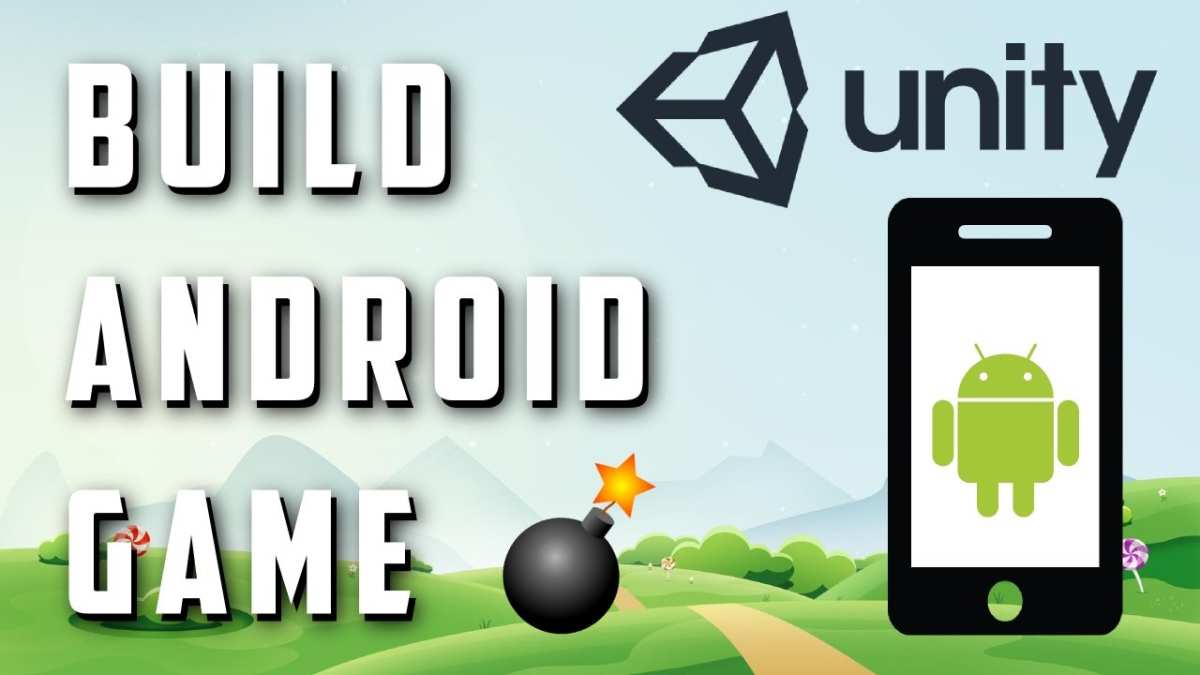
How to Make Games for Android Phones
Creating games for Android phones might seem like a big task at first, but if you break it down into steps, it becomes much easier and more fun. Whether you’re a beginner or someone with some experience in coding or design, this guide will walk you through the entire process of making a game for Android. Let’s explore the different parts involved in making your very own Android game, from planning to publishing.Understanding the Basics of Android Game Development
Before jumping into building your game, it’s important to understand what Android game development entails. This process involves designing, coding, and testing a game that runs smoothly on Android devices. You need to learn about the tools and programming languages used, as well as the different types of games you can create. Key elements to know include:- Game design principles
- Programming languages such as Java or Kotlin
- Game engines like Unity or Unreal Engine
- Graphics and sound assets
Choosing the Right Game Development Tools
One of the first major decisions when making a game for Android is selecting the tools you’ll use. The most popular choices include:Game Engines
Game engines provide ready-made features like physics, graphics rendering, and scripting, making game development easier. Some popular engines for Android include:- Unity: Widely used, supports 2D and 3D games, offers a lot of tutorials and community support
- Unreal Engine: Known for high-quality graphics, suitable for complex games
- Godot: Open-source, lightweight, great for 2D games
Programming Languages
Your choice of programming language depends on the game engine. For example:- Java or Kotlin: Used in Android Studio and to build simple 2D games
- C#: The primary language for Unity
- C++: Used in Unreal Engine for high-performance games
Development Platforms
Other tools can help with graphics, sound, and game design:- Adobe Photoshop or GIMP for creating graphics
- Audacity for editing sound effects and music
Planning Your Game
Good planning is the foundation of an enjoyable game. Think about what kind of game you want to make:- Is it a puzzle, adventure, shooting, or platformer game?
- What’s the main goal for players?
- What unique features or mechanics will make your game stand out?
Designing Game Mechanics and User Experience
Make sure the game is easy to understand but fun to play. Think about:- Controls: Are they touch-based, tilt, or swipe?
- Difficulty levels: How do players progress?
- User interface: Where do buttons and menus go?
Creating Graphics and Sound Assets
Visual and audio elements catch players’ attention and keep them engaged. Depending on your skills, you can make your own assets or use free resources online.Designing Game Graphics
For graphics:- Use software like Photoshop, GIMP, or Paint.NET
- Create sprites, backgrounds, and icons
- Keep graphics simple and consistent
Adding Sound and Music
Sounds make gameplay more lively:- Use free sound effects from websites like freesound.org
- Create simple background music
- Make sure sounds match actions in the game
Developing the Game
Now it’s time to bring all your plans together and start coding your game. Follow these key steps:Setting Up Your Development Environment
Depending on your chosen tools:- Download Android Studio if using Java/Kotlin
- Install Unity and set up your project if working with Unity
- Configure necessary SDKs and emulators for testing
Writing the Game Code
Start simple:- Create main game loop and initialize your assets
- Implement basic player controls
- Add game mechanics like scoring, levels, and enemies
Testing and Debugging
Regular testing ensures your game runs properly:- Play your game frequently during development
- Fix bugs as they appear
- Get feedback from friends or testers
Optimizing and Preparing for Release
Once your game works well, it’s time to prepare it for players.Optimization Tips
Improve performance by:- Reducing asset sizes for faster loading
- Ensuring smooth animations and game flow
- Testing on different devices to check compatibility
Creating the App Package and Publishing
Follow these steps:- Generate a signed APK or app bundle in Android Studio or your game engine
- Write a compelling app description with relevant keywords for search engines
- Design eye-catching app icons and screenshots
- Publish your game on the Google Play Store following their submission guidelines
Marketing Your Android Game
Getting players to find your game requires some effort:- Share your game on social media platforms
- Ask friends and family to play and review it
- Engage with players through comments and updates
Learning and Improving
Game development is a continuous process. Keep learning new skills, try out different game ideas, and update your game regularly. Explore forums, tutorials, and communities online to stay inspired and gather support. Making games for Android phones is a rewarding experience that combines creativity with technical skills. Start small, learn step by step, and gradually build more complex games. With patience and practice, you will create games that provide fun and entertainment for Android users everywhere.Frequently Asked Questions
What programming languages are best suited for developing Android games?
Java and Kotlin are the primary languages used for Android game development. Java has a long-standing presence in Android development, offering extensive libraries and community support. Kotlin, officially supported by Google, provides concise syntax and modern features, making it easier to write and maintain code. Depending on your project needs, you might also consider C++ for performance-critical components, especially when using the Android NDK.
Which game engines can I use to create Android games without extensive coding?
There are several user-friendly game engines that enable you to develop Android games with minimal coding. Unity offers a visual scripting system called Bolt, allowing you to design game logic without deep programming knowledge. Unreal Engine provides Blueprints, a powerful node-based scripting system suitable for beginners. Additionally, platforms like GameMaker Studio and Construct offer drag-and-drop interfaces, making game creation accessible to non-programmers.
How can I optimize my game to run smoothly on different Android devices?
To ensure smooth performance across various Android devices, optimize your game’s graphics and assets by reducing polygon counts and using compressed textures. Implement efficient code practices, such as avoiding unnecessary calculations and memory leaks. Test your game on multiple devices to identify performance bottlenecks and adjust settings like resolution and frame rate accordingly. Utilizing profiling tools within your development environment can help pinpoint and resolve issues that affect gameplay fluidity.
Final Thoughts
To make games for android phones, start by choosing the right development tools like Unity or Android Studio. Focus on designing engaging gameplay and intuitive controls to attract players. Test your game on various devices to ensure smooth performance. Understanding your target audience helps tailor your game’s features and aesthetics effectively. Keep refining your game based on user feedback to boost its appeal. In conclusion, making games for android phones involves selecting suitable platforms, creating engaging content, and testing thoroughly. Follow these steps to develop a successful android game.
Similar Posts