How To Get Iphone Screen Fixed Quickly And Easily


How to Get iPhone Screen Fixed
Getting your iPhone screen repaired can seem intimidating at first, especially if you’re worried about the cost, time, or potential damage to your device. But don’t worry—there are many ways to fix your iPhone screen efficiently and affordably. Whether your screen has cracked, shattered, or simply isn’t responding properly, understanding your options and the steps involved can help you make the best choice for your situation. In this guide, we’ll explore the different methods to repair an iPhone screen, what each option involves, and tips to ensure your phone gets the proper care it needs. We will also look at common reasons for screen damage, how to tell if your screen needs repair, and important factors to consider before choosing a repair method.Recognizing When Your iPhone Screen Needs Repair
Before jumping into repair options, it’s important to identify signs that your iPhone screen needs fixing. Some typical indicators include:- Visible cracks or shattering on the glass surface
- Unresponsive touch areas or ghost touches
- Discolored or dead pixels on the screen
- Blackouts or flickering displays
- Cracks that compromise the screen’s durability or safety
Common Causes of iPhone Screen Damage
Understanding how screens typically get damaged helps you prevent future issues and handle repairs better. Common causes include:- Accidental drops onto hard surfaces
- Impact from objects in bags or pockets
- Applying excessive pressure on the device
- Extreme temperature fluctuations
- Using incompatible or low-quality accessories
Choosing the Right Repair Method
Now that you know when your screen needs fixing, consider the available repair options. Each method has its advantages and disadvantages, so choose based on your budget, time constraints, and personal preferences.Apple Authorized Service Providers
If you prefer professional repairs directly from Apple, visiting an Apple Store or an authorized service provider is your safest bet. These technicians use genuine parts, and repairs typically come with warranties. However, this option can sometimes be more expensive and may take longer, especially if you need to book an appointment. **Advantages of Apple authorized repairs:**- Use of genuine Apple parts
- Expert technicians trained specifically by Apple
- Warranty coverage on repairs and parts
- Potentially higher costs than third-party services
- Longer wait times depending on appointment availability
Third-Party Repair Shops
Many local repair shops offer quick and often less costly screen repairs. These shops may use genuine or third-party parts, so it’s essential to verify the quality of the components used. **Pros include:**- Lower prices compared to Apple Stores
- Faster turnaround times, often same-day service
- Convenient locations nearby
- Variable quality of parts and workmanship
- No official warranty from Apple
- Potential impacts on your device’s warranty if not authorized
DIY Screen Repairs
For those comfortable with technology and small repairs, fixing your iPhone screen at home might seem appealing. DIY kits are available with tools and replacement screens. **Benefits include:**- Very low cost if you already own the tools
- Complete control over the repair process
- Learning experience and sense of achievement
- Potential for further damage if not done carefully
- Voiding your warranty in some cases
- Using low-quality parts that can affect device performance
Steps to Get Your iPhone Screen Fixed Safely
Once you’ve chosen your repair method, follow these steps to ensure your iPhone gets fixed properly:Prepare Your Device and Data
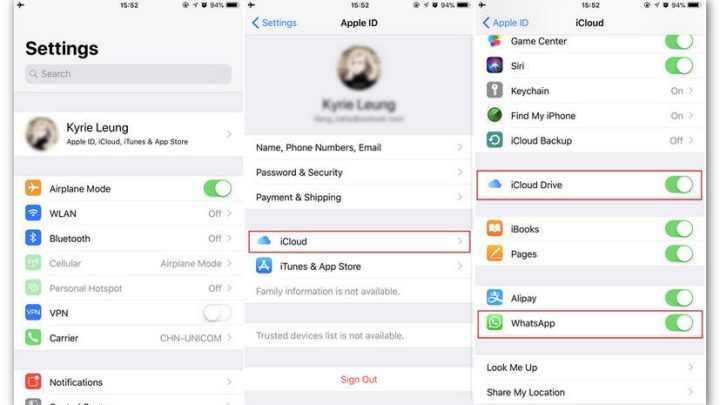
– Back up your data via iCloud or iTunes to prevent data loss. – Turn off your iPhone to avoid electrical issues during repair. – Remove any cases or screen protectors.Gather the Right Tools and Parts
– If DIY, invest in a quality repair kit with a precision screwdriver, opening tools, and replacement screen. – For professional repairs, verify the repair shop uses genuine or high-quality parts.Follow a Step-by-Step Repair Guide
– Use trusted tutorials from reputable sources if repairing yourself. – Take your time and handle components carefully. – Follow safety precautions to avoid damaging internal parts.Test Your Device Post-Repair
– Power on your iPhone after repair. – Test the touchscreen responsiveness and display clarity. – Check for any overheat issues or unusual behavior.Cost Considerations for iPhone Screen Repairs
The cost of fixing your iPhone screen varies depending on the model, repair method, and the parts used. Here’s a general overview:| Repair Method | Estimated Cost Range |
|---|---|
| Apple Store (authorized repair) | $129 – $329 or more |
| Third-party repair shop | $80 – $250 |
| DIY repair kit | $30 – $80 for parts and tools |
How to Protect Your iPhone Screen After Repair
Once your screen is fixed, take steps to keep it safe:- Use a high-quality screen protector to prevent future cracks.
- Place your iPhone in a sturdy case with shock absorption.
- Avoid placing your device in the same pocket or bag as keys or other sharp objects.
- Be mindful when handling your phone—avoid drops and impacts.
Additional Tips for Maintaining Your iPhone’s Screen
Regular care can extend your screen’s lifespan:- Clean your screen gently with a microfiber cloth and screen cleaner.
- Avoid exposing your phone to extreme temperatures or moisture.
- Handle the device with clean, dry hands to avoid smudges and damage.
- Schedule periodic checks for screen or internal issues if your device shows signs of trouble.
Frequently Asked Questions
What should I do if my iPhone screen is cracked but still functions?
If your iPhone screen is cracked but the device still responds to touch and functions normally, you should schedule a repair appointment with an authorized service provider. Avoid using the phone excessively to prevent further damage. Consider backing up your data before the repair to ensure your information stays safe. A professional technician can assess the extent of the damage and replace the screen efficiently.
How can I find a reliable place to fix my iPhone screen?
Look for authorized Apple service centers or certified repair shops with good customer reviews. You can check online reviews or ask friends for recommendations. Verify if the technician uses genuine Apple parts and offers warranties on their repairs. Visiting an official store ensures high-quality service and reduces the risk of further damage or counterfeit parts.
Is it better to repair my iPhone screen myself or visit a professional?
While DIY repair kits are available, they can be challenging and risky, especially if you lack experience. Professional technicians have the tools and expertise to replace your screen safely and accurately. Opting for professional repair reduces the chances of damaging other components and ensures your device remains fully functional after the fix.
What costs are involved in fixing an iPhone screen?
The cost of fixing an iPhone screen varies depending on the model and extent of damage. Authorized Apple stores typically charge higher fees but guarantee quality parts and service. Third-party repair shops may offer more affordable options, but it’s essential to verify the quality of their parts and warranties. Always compare prices and reviews before making a decision.
How long does it usually take to repair an iPhone screen?
Screen repairs at authorized service centers or reputable repair shops usually take between one to three hours. Some places offer same-day service, especially if they have the necessary parts in stock. For more complex damages or if parts need to be ordered, the repair might take longer. Always check with the service provider for an estimated timeframe before scheduling the appointment.
Final Thoughts
To get your iPhone screen fixed, start by identifying the damage. Check if the issue is covered by warranty or insurance. Next, choose a reputable repair shop or visit an official Apple Store for the best service. Book an appointment in advance to save time. In conclusion, knowing how to get iphone screen fixed ensures your device stays functional and looks new. Follow these steps for quick, reliable repairs and keep your iPhone in top condition.
Similar Posts