How To Clear Storage When Iphone Is Full For Better?


How to clear storage when iPhone is full
Understanding Why Your iPhone Gets Full
Your iPhone can fill up quickly, especially if you save a lot of photos, videos, or apps. Sometimes, the storage reaches its limit without you realizing it. Knowing what takes up space helps in choosing the right way to free up storage effectively. Common culprits include app data, downloaded files, and cached content.Check Your Current Storage Usage
Before deleting anything, see what’s using the most space. Go to Settings >General >iPhone Storage. Here, you’ll find a colorful storage bar showing how much space is used and what categories consume most. This overview guides your cleaning process.Delete Unnecessary Apps and Data
Removing apps you no longer use is a quick way to free space. Tap on each app in the storage menu to see its size and delete if needed. Remember, some apps store a lot of data; clearing that data can make a difference. To delete an app, tap Delete App and confirm.Identify Large Apps and Files
Look for apps with big storage footprints. Consider deleting ones you rarely open. Also, check for large files stored locally, such as movies or podcasts, and remove or transfer them elsewhere. These steps can give you immediate space improvements.Manage Photos and Videos Efficiently
Photos and videos often take up the largest part of your iPhone storage. Use the Photos app to review your media. Delete duplicates or blurry shots and consider offloading them to other storage solutions.Use iCloud Photos
Enable iCloud Photos to store full-resolution images in the cloud. Set your iPhone to keep smaller versions locally, saving space. This way, you access your entire collection without cluttering your device.Optimize Photo Storage
Go to Settings >Photos >Optimize iPhone Storage. This feature reduces photo file sizes stored on your device while keeping the originals safe in iCloud. It’s a handy method to save space.Clear App Cache and Data
Apps often generate cache files that can accumulate and eat up storage. To free space, clear cache within the app settings if options are available. Some apps, like social media or streaming platforms, allow cache clearing directly.Delete App Data Manually
For apps that store lots of data, such as messaging or games, consider deleting and reinstalling them. This process removes accumulated cache and resets app data, freeing up significant space.Manage Messages and Attachments
Text messages, especially with images and videos, can take up a surprising amount of space. Regularly review conversations, deleting those with large media files.Set Messages to Delete Automatically
Navigate to Settings >Messages >Keep Messages. Choose 30 Days or 1 Year to automatically remove old messages, saving space over time.Remove Downloaded Music and Podcasts
Music and podcasts stored locally can occupy large storage chunks. Open the Music app to see downloaded songs and delete those you no longer listen to. Streaming apps can also be set to only download selected playlists.Use Streaming Services
Switch to streaming platforms like Apple Music, Spotify, or others to listen without downloading. This approach saves space and gives you access to a vast library.Utilize Cloud Storage Solutions
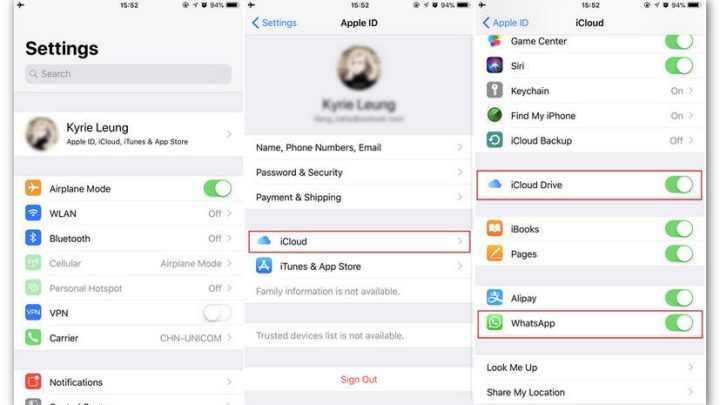
Storing files in cloud services is one of the easiest ways to free up device space. Besides iCloud, options like Google Drive, Dropbox, or OneDrive work well. Upload files and delete local copies to keep your storage free.Regularly Back Up and Delete Files
Create regular backups of important files in the cloud or computer. After backing up, delete local copies to free up space and keep your device running smoothly.Manage and Delete Old Backups and iOS Updates
Old device backups and iOS update files can take up space without you knowing. Check for backups in Settings >iCloud >Manage Storage to delete old or unnecessary ones.Remove iOS Update Files
Sometimes, leftover update files stay in storage after upgrading. Delete them by going to Settings >General >iPhone Storage and selecting to delete iOS update files if available.Use External Storage Devices
Consider using external drives or SD card adapters compatible with your iPhone. Transfer large files like videos or photos to these devices for extra space.Benefits of External Storage
External storage can carry large media libraries, freeing your device from heavy files. It’s a secure way to keep backups while maintaining free space on your iPhone.Reset Settings or Factory Reset as a Last Resort
If storage issues persist, resetting your settings can help. Go to Settings >General >Reset >Reset All Settings. For deeper cleaning, a factory reset erases all data and resets your device to new. Always back up first!Warnings Before Reset
A factory reset deletes all photos, apps, and data. Only proceed if you’ve backed up everything important. This step ensures a fresh start and maximum storage space.Maintain Your Storage Regularly
Prevention is better than cure. Regularly review storage usage and delete unnecessary files. Keeping an eye on your device’s storage prevents sudden full capacity issues.Set Up Automated Backups and Cleanups
Schedule regular backups to iCloud or your computer. Periodically delete unused apps and media. Small, consistent efforts keep your iPhone running smoothly with ample free space. — Keeping your iPhone’s storage clean improves its performance and prolongs its lifespan. Use a combination of these methods to manage your space effectively. Regular maintenance and thoughtful storage habits ensure your device stays fast, responsive, and ready for whatever you need it to do.Frequently Asked Questions
What practical steps can I take to free up space on my iPhone quickly?
Start by reviewing your storage in Settings to identify large files and apps. Delete unused apps, remove old photos and videos, and clear cache data from apps like Safari. Using the iPhone’s built-in storage optimization features, such as offloading unused apps, also helps free up space efficiently.
How do I manage my photo and video storage to prevent my iPhone from filling up?
Backup your photos and videos to iCloud or another cloud service, then delete them from your device to free space. Enable the ‘Optimize iPhone Storage’ option in Photos settings to keep smaller versions on your device while original files stay in the cloud. Regularly review your media library for unwanted or duplicate files.
Are there specific apps or tools that can assist in clearing storage on my iPhone?
Yes, many third-party cleaning apps can identify large files, duplicates, and unnecessary data to help you clear storage. However, use reliable apps from trusted developers. Additionally, using the native ‘Offload Unused Apps’ feature in Settings can help automatically remove apps you haven’t used recently while retaining their data.
What is the best way to manage app data to free up space without losing important information?
Review app data and delete cached files or unnecessary backups within individual apps. For apps with large caches, clear cache through their settings if available. Consider backing up important app data before removal, then delete or offload apps that take up significant space but are not frequently used.
How can I optimize storage effectively on my iPhone without deleting essential files?
Utilize cloud storage solutions for photos, videos, and documents. Enable ‘Optimize iPhone Storage’ for photos and podcasts to reduce local file size. Regularly review and delete old conversations, downloaded files, and apps that no longer serve your needs. This approach keeps your device lean while preserving important content.
Final Thoughts
Pour finir, il est essentiel de savoir comment clear storage when iPhone is full pour optimiser ses performances. Supprimez les applications inutilisées et videz régulièrement le cache pour libérer de l’espace. Transférez vos photos et vidéos vers un cloud ou un ordinateur pour gagner de la place. En suivant ces étapes simples, vous pouvez facilement gérer votre stockage et continuer d’utiliser votre iPhone sans souci.
Similar Posts