Can Teacher Detect Chat Gpt Effectively
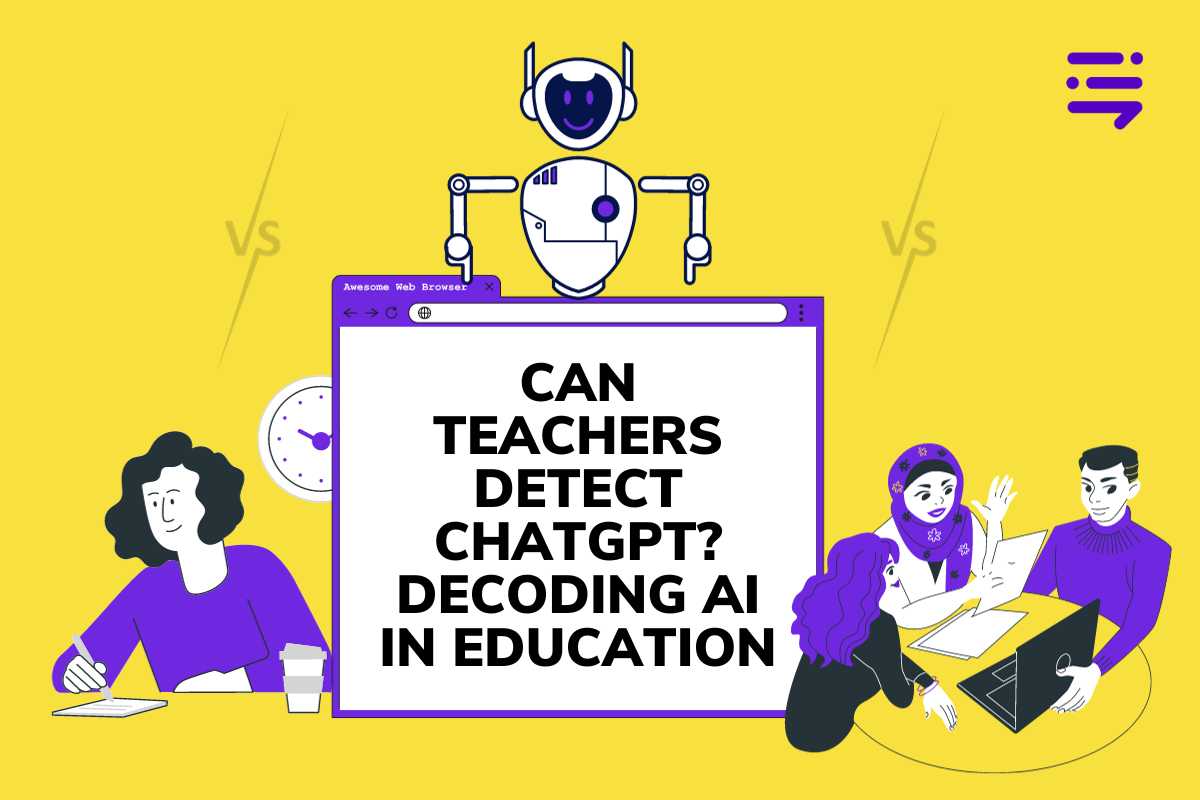

Can Teachers Detect Chat GPT? Understanding How Educators Identify AI-Generated Content
Introduction to AI Writing Tools in Education
Many students now use AI tools like Chat GPT to help with their schoolwork. These tools can generate essays, stories, and even answers to questions quickly. While AI offers many benefits, it also raises concerns about originality and academic honesty.Why Do Teachers Want to Detect AI-Generated Content?
Teachers want to make sure students are learning and doing their own work. When students copy or heavily rely on AI, it can prevent them from developing important skills. Detecting AI use helps keep the learning process fair and genuine.How Can Teachers Recognize AI-Generated Text?
Teachers use various methods to spot AI-generated writing. These include analyzing writing style, checking for inconsistencies, and using specialized detection tools. Each method offers clues about whether a student’s work was created by a human or an AI.Signs That Indicate AI Assistance in Student Work
Certain features can suggest AI involvement:- Repetitive or overly formal language
- Vague or generic responses
- Unusual sentence structures
- Lack of personal experiences or opinions
- Inconsistent writing style compared to previous work
Limitations of Human Detection Methods
Detecting AI-written content can be challenging. Students can modify AI output to sound more personal. Teachers might also struggle with large amounts of work to review, making detection a complex task.Tools That Help Teachers Detect Chat GPT Use
Several software solutions are designed to identify AI-generated text. These tools analyze various factors such as linguistics patterns and statistical markers. Popular options include Turnitin’s AI detection feature and GPT-specific detectors.How Do AI Detection Tools Work?
These tools compare student submissions to known AI language models. They look for patterns typical of AI, such as uniformity in sentence structure or unusual word choices. Some tools assign a probability score indicating the likelihood of AI involvement.Effectiveness of Detection Software
Detection tools are continually improving but are not perfect. They can sometimes produce false positives or miss AI-generated work. Teachers should use these tools as part of a broader assessment process.Strategies Teachers Use to Prevent AI Misuse
Prevention methods include designing assignments that are difficult for AI to complete. These involve personalized prompts, requiring oral explanations, or assessing in-class participation. Such strategies encourage genuine effort.Encouraging Academic Integrity and Responsible AI Use
Teachers can teach students about responsible AI use. Explaining how AI can be a helpful tool, rather than a shortcut, promotes honesty. Promoting ethical guidelines helps students see AI as a support rather than a replacement.Balancing AI Assistance with Original Work
Educators can craft assignments where AI tools are acceptable if used ethically. For example, students might use AI for brainstorming but must add personal insights. Clear rules help integrate AI into learning positively.Challenges in Detecting AI-Generated Content
Detecting AI work remains difficult due to rapid advancements in AI technology. Students may also intentionally alter AI output to evade detection. These challenges require continuous adaptation by teachers.The Future of AI Detection in Education
As AI continues to evolve, so will detection methods. Researchers are developing more sophisticated algorithms to distinguish human from AI writing. Educators will need ongoing training to stay ahead.Related Topics to Consider
Additional areas of interest include:- Ethical implications of AI in schools
- Creating assignments that foster critical thinking
- Using AI as an educational support tool
- Maintaining fairness in digital learning environments
How do Teachers Detect AI? 🤖 #chatgpt #ai #school
Frequently Asked Questions
Can teachers identify when a student submits work generated by AI?
Teachers use various methods to spot work that might be produced with AI tools. They look for inconsistencies in writing style, sudden changes in quality, or content that doesn’t align with the student’s previous work. Some educators also employ software designed to detect AI-generated text, which analyzes patterns and markers common in AI-produced writing.
Are there specific signs indicating AI involvement in student submissions?
While not always obvious, certain signs can suggest AI assistance. These include a lack of personal voice, unusually polished or generic language, or responses that don’t quite match the student’s typical approach. Teachers familiar with a student’s usual work can often notice these subtle differences during review.
How can educators encourage genuine student effort despite the availability of AI tools?
Teachers can assign tasks that require personal reflection, in-depth analysis, or hands-on activities that are harder for AI to replicate authentically. They also promote discussions and presentations, which allow students to showcase their understanding directly. Building strong relationships with students helps teachers better recognize individual effort and progress.
Final Thoughts
En conclusion, teacher detection of chat GPT depends on various factors such as writing style and originality. While some advanced tools can identify AI-generated content, it is not always foolproof. Can teacher detect chat GPT? Yes, to some extent, but it remains challenging. Teachers may notice inconsistencies or patterns that differ from a student’s typical work. Overall, awareness and contextual judgment help educators recognize AI involvement effectively.
Similar Posts