How To Type In Your Writing And Ask For Tone And Clarity?

How to type in your writing and ask for tone and clarity suggestions
Writing clearly and effectively is essential when sharing ideas, stories, or information. Knowing how to type in your writing and request feedback on tone and clarity can make your communication stronger. This section guides you through the steps to improve your writing style and get valuable suggestions.
Understanding the importance of tone in writing
Tone sets the mood of your message and influences how readers interpret your words. It can be formal, friendly, humorous, or serious depending on your purpose. Recognizing the tone you want helps you craft messages that resonate with your audience.
Using the right tone makes your writing more relatable and effective. For example, a professional email benefits from a respectful tone, while a casual blog post might be more conversational. Knowing the tone helps you connect better with your readers.
Choosing the right words to set the tone
Word choice plays a big role in establishing tone. Formal language, such as “please find attached” versus informal language like “see the file,” creates different impressions. Carefully selecting words helps you convey the desired mood.
To set the appropriate tone, consider your audience and purpose. If you’re writing to friends, a relaxed tone with contractions and colloquialisms works well. For professional contexts, stick with polite and precise language.
How to type your message effectively
Start with a clear idea of what you want to say. Organize your thoughts before typing to ensure your message flows logically. Use simple sentences and straightforward language for clarity.
Use paragraph breaks to separate different ideas. Bullet points or numbered lists can help highlight important information. Avoid jargon or complex words that might confuse your readers.
Asking for tone and clarity suggestions
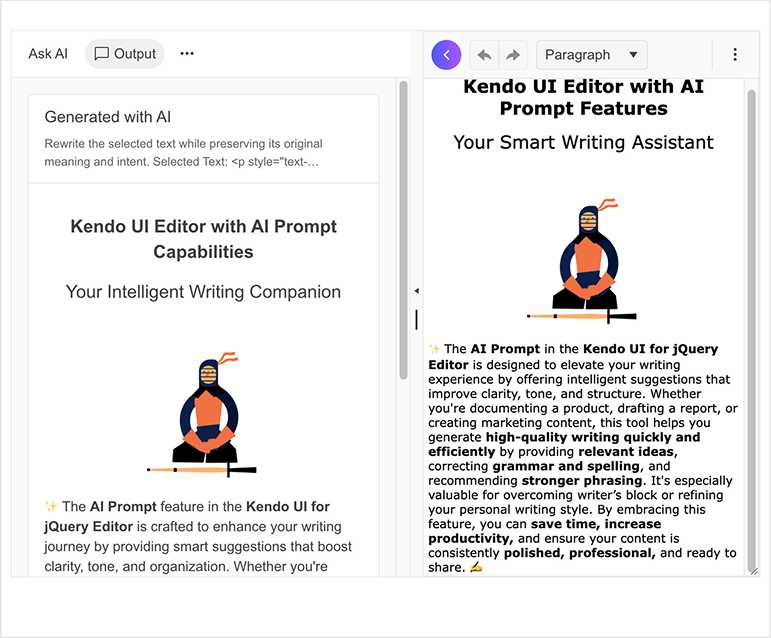
Once you’ve written your draft, ask others for feedback on tone and clarity. You can do this by sharing your message with friends, coworkers, or using online tools.
Frame your request clearly: “Does my message sound friendly and professional?” or “Is my writing easy to understand?” Specific questions help you get useful insights.
Using online tools to improve your writing
- Grammar checkers: Tools like Grammarly or Hemingway Editor can identify issues with clarity, tone, and grammatical errors.
- Writing prompts: Platforms like Writefull or ProWritingAid suggest improvements based on context and style.
- Feedback communities: Websites like Reddit’s r/writing or writing forums allow you to share your work and receive advice.
Practicing effective typing methods
Touch typing improves speed and accuracy. Use typing tutorials or software like TypingClub or Keybr to develop your skills. Practice regularly to become more comfortable with your keyboard.
Maintain proper posture and use all fingers to avoid fatigue. Accurate typing helps you focus on content rather than mistakes, making it easier to review and improve your writing.
Tips to enhance clarity in your writing
- Be concise: Use as few words as possible to express your ideas. Avoid unnecessary filler words.
- Use active voice: Active sentences are clearer and more direct. For example, “I completed the project” instead of “The project was completed by me.”
- Break up long sentences: Shorter sentences are easier to read. Split complex ideas into multiple sentences.
- Provide examples: Clarify your points with concrete examples or visuals.
- Ask for feedback: Get others to review your writing for potential confusion or ambiguity.
Incorporating feedback effectively
When you receive feedback on tone or clarity, take notes and evaluate suggestions objectively. Look for recurring comments that indicate common issues.
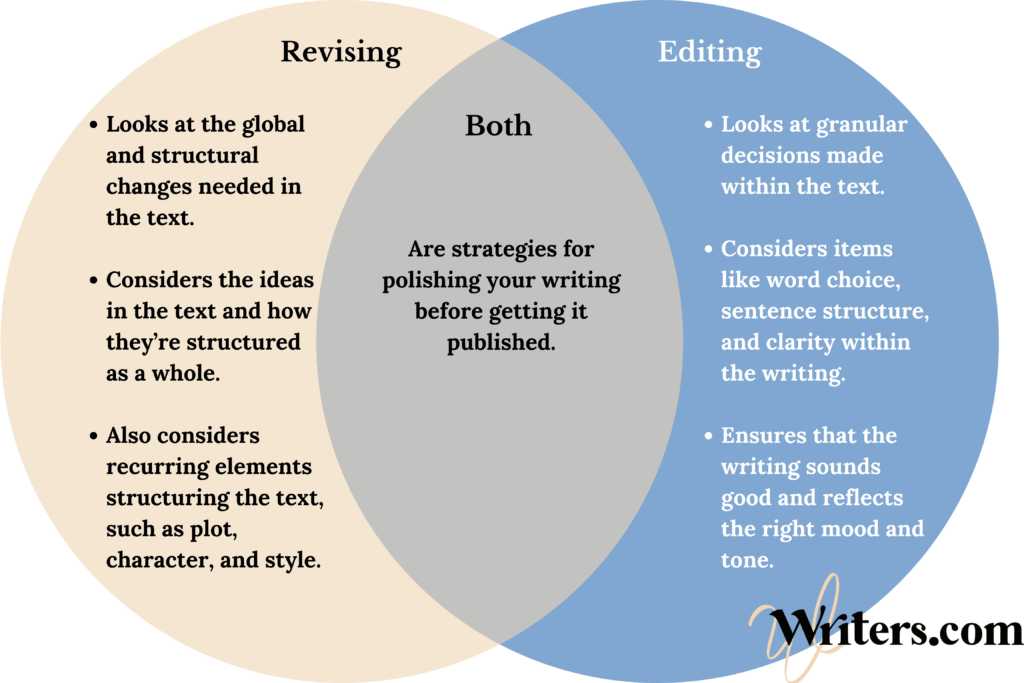
Revise your writing based on the suggestions. Focus on improving areas like sentence structure, word choice, and overall flow. Remember, editing is a vital step toward clearer communication.
Tools for improving tone and clarity during typing
| Tool | Purpose | Features |
|---|---|---|
| Grammarly | Checks grammar, tone, and clarity | Real-time suggestions, tone detection, vocabulary enhancement |
| Hemingway Editor | Improves readability | Highlights complex sentences, passive voice, and adverbs |
| ProWritingAid | Comprehensive writing analysis | Style improvement, grammar checks, contextual suggestions |
| Readable | Assesses readability levels | Grade level analysis, sentence structure tips |
Strategies to improve your typing speed and accuracy
Consistent practice is key to faster, more accurate typing. Set aside daily time for typing exercises or projects. Use online games or challenges to make practice engaging.
Adjust your keyboard or workspace to be comfortable. Focus on accuracy first; speed will follow as you become more confident.
Summary of key points to type effectively and ask for feedback
- Define your desired tone based on your audience and purpose.
- Choose words carefully to set the right mood and clarity.
- Organize your thoughts before typing for logical flow.
- Use tools like Grammarly or Hemingway for real-time feedback.
- Request specific feedback, such as clarity or tone, from trusted readers.
- Practice regular typing to increase speed and reduce errors.
- Review feedback objectively and revise your writing accordingly.
By practicing these strategies, you can improve how you type your messages and make sure your tone and clarity are just right. Clear, effective writing helps you communicate confidently and achieve your goals.
How To Improve Your Academic Writing IMMEDIATELY | 3 Tips For PHD Students
Frequently Asked Questions
How can I effectively communicate my writing needs when seeking tone suggestions?
To effectively communicate your writing needs, clearly describe the context and purpose of your text. Specify the desired tone, whether it’s formal, casual, friendly, or professional. Providing examples of the style you prefer or mentioning specific emotions you want to evoke helps in receiving tailored tone suggestions. The more precise you are about your expectations, the better the feedback you’ll receive.
What details should I include when asking for clarity improvements in my writing?
When requesting clarity improvements, share your original text and highlight areas where the message might be unclear or confusing. Mention any particular sections or sentences you find ambiguous. Giving context about your target audience or the main message you want to convey helps suggest specific adjustments to make your writing more straightforward and accessible.
How do I specify the type of tone I want without confusing the AI?
Specify the tone by using clear adjectives, such as professional, conversational, upbeat, or serious. You can also mention examples of writers or styles you admire to guide the AI. Avoid vague descriptions; instead, be precise about the mood or attitude you wish to project. This approach ensures the AI provides tone suggestions that align closely with your intentions.
What are some ways to give feedback on the suggested tone and clarity edits?
After receiving suggestions, review the proposed changes and note which ones align with your vision. If certain recommendations seem off, explain why and specify what you want to preserve or emphasize. Providing this feedback helps refine future suggestions, making them more suited to your preferred style and clarity standards.
Can I request multiple tone or clarity options for the same piece of writing?
Yes, you can ask for multiple options to compare different tones or clarity levels. Specify the variety you want, such as a formal version, a friendly version, or a concise one. Reviewing these options allows you to choose the style that best fits your goals or intended audience, giving you more flexibility in your writing approach.
Final Thoughts
How to type in your writing and ask for tone and clarity suggestions is straightforward. Use clear instructions when requesting feedback to get the best results. Be specific about the tone or clarity you need, whether formal, friendly, or concise. This approach ensures your message is accurately understood.
Similar Posts