Can Professors Detect Chat Gpt If You Paraphrase

Can Professors Detect Chat GPT If You Paraphrase?
Understanding How Professors Detect AI-Generated Content
Professors have various ways to identify if a student’s work is generated by AI like Chat GPT. They look for patterns that are common in AI writing, such as overly formal language or repetitive phrases. Some professors use specialized software that scans texts for signs of AI involvement. These tools analyze sentence structures, vocabulary, and writing style to find inconsistencies. Unique writing styles, personal opinions, or specific examples are usually signs of human work that AI struggles to replicate naturally. These clues help educators distinguish between student effort and AI assistance.What Makes Paraphrasing Difficult for AI Detection?
Paraphrasing involves rewriting content using different words while preserving the original meaning. Many believe this can fool detection tools, but it’s not always effective. AI detection tools look at more than just wording—they examine the flow, context, and sentence construction of the text. If paraphrasing is superficial or too close to the original, detection algorithms can often flag it. Deep paraphrasing, where the sentence structure and ideas are genuinely reformatted, lowers the chances of detection. Still, advanced detection methods are catching up to these techniques.Can Paraphrased Text Fool Turnitin and Other Plagiarism Detectors?
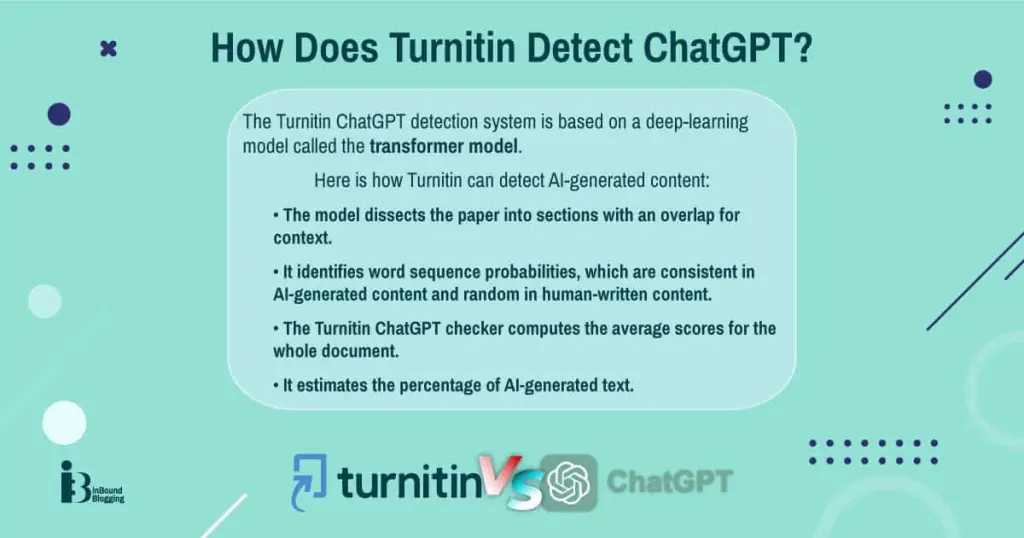
Turnitin and similar plagiarism checkers mainly compare texts to existing sources and databases. Paraphrased content that’s well-done can sometimes evade these systems. However, Turnitin has added features to identify AI-generated text, not just copied material. It analyzes syntax, grammar, and stylistic markers that are less likely to be altered through simple paraphrasing. Good paraphrasing might reduce matching scores on plagiarism detectors, but it doesn’t guarantee that AI detection tools won’t flag it. Teachers often combine multiple methods to spot such work.How AI Detection Tools Work to Spot Chat GPT-Generated Content
Detection tools like GPTZero and Turnitin’s AI detection feature analyze various text elements. They assess the randomness or consistency in sentence structure and vocabulary. AI-generated texts tend to follow predictable patterns that detection algorithms are trained to recognize. These tools also compare the text to known AI-generated samples to spot similarities. The more a piece resembles typical AI output, the higher the chance it gets flagged.Limitations of Paraphrasing in Avoiding Detection
While paraphrasing can sometimes help a student hide AI involvement, it’s not foolproof. Poor paraphrasing may leave traces of AI writing, such as unnatural phrase choices or awkward transitions. Even well-paraphrased content can be distinguished if the overall style doesn’t match the student’s usual voice or if the ideas lack personal insight.Best Practices to Avoid Detection While Writing Assignments
Writing in a genuine, honest way remains the best approach. Students should focus on understanding topics and expressing their ideas in their own words. Using AI tools responsibly—such as for brainstorming or drafting—can assist learning rather than replace student effort. Additionally, citing sources properly and showing your thought process can demonstrate authenticity.The Ethical Side of Using AI for Assignments
It is important to consider the ethics of paraphrasing and AI use. Students should ask their teachers about policies on AI assistance before relying heavily on these tools. Respecting academic integrity helps maintain fairness and ensures that students truly learn and develop their skills.The Future of AI Detection in Education
As AI tools become more advanced, detection methods will also improve. Scientists and educators are working on better algorithms that can identify nuanced AI-generated or paraphrased content. Staying informed and adapting to new detection techniques will help students understand what is acceptable and what isn’t.Summary: Can You Effectively Paraphrase Without Getting Caught?
While paraphrasing can reduce the risk of detection, it isn’t foolproof. Teachers and detection tools are increasingly capable of identifying AI involvement, even with well-rewritten content. The safest route is to do your own work and use AI for support rather than substitution, ensuring your education remains honest and meaningful.How to make ChatGPT undetectable! Video by brandnat #Shorts
Frequently Asked Questions
Can a professor identify if a student’s work has been paraphrased using ChatGPT?
Professors may be able to recognize paraphrased content generated with ChatGPT through certain linguistic patterns, inconsistencies in style, or unusual phrasing that doesn’t align with the student’s usual writing. However, skilled educators often look for signs of original thought and coherence rather than solely relying on detection tools. Paraphrased work that closely mimics a student’s natural writing style may be more challenging to identify.
Are there specific methods professors use to detect AI-assisted paraphrasing?
Some professors use software that analyzes writing for patterns typical of AI-generated content, such as repetitive phrasing or unnatural sentence structures. Additionally, they may compare the work to previous submissions by the student or conduct oral follow-ups to verify understanding. Combining these approaches helps educators assess whether the work aligns with the student’s language abilities.
Does paraphrasing effectively conceal the use of ChatGPT from professors?
How does paraphrasing impact the originality score in academic evaluations?
While paraphrasing can help avoid direct plagiarism, it doesn’t necessarily equate to original work. If a student relies heavily on AI assistance without adding personal insight or critical thinking, the originality of the work may be questioned. Professors look for authentic engagement with the topic, regardless of the paraphrasing involved.
Can regular review of a student’s previous work help professors detect paraphrased content?
Yes, comparing a student’s current work with their previous submissions allows professors to spot inconsistencies in writing style, vocabulary, and argumentation. Significant deviations from a student’s usual voice can signal paraphrasing efforts or external assistance. Regular assessments help maintain consistent evaluation standards.
Final Thoughts
Professors can detect chat GPT even if you paraphrase. They often use advanced tools and analysis to identify patterns that suggest AI-generated content. Paraphrasing alone may not guarantee evasion of detection. Therefore, understanding the importance of original thought remains essential. Remember, can professors detect chat GPT if you paraphrase, and the answer is yes, with the right methods.
Similar Posts