Can My Professor Detect Chat Gpt Effectively

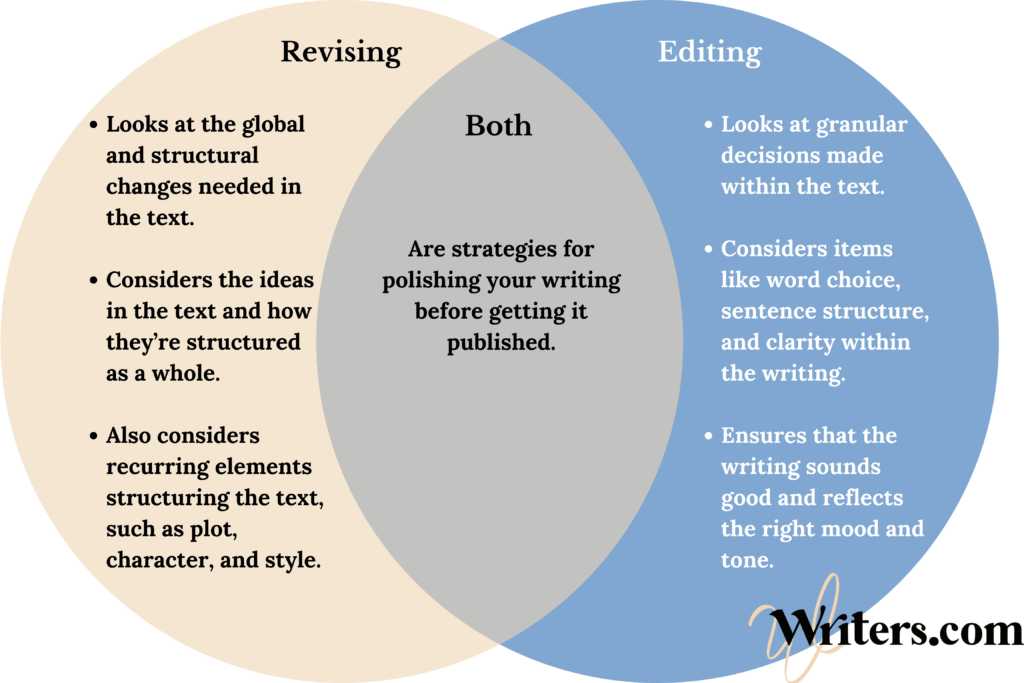
Yes, your professor can potentially detect if you used ChatGPT for your assignments, but it’s not always straightforward. Many educators are becoming more aware of AI-generated content and are using tools or methods to identify it. However, with some effort, it is possible to make the AI’s work less detectable by adding your personal touch and refining the output.
In short, while there are ways for professors to spot AI-generated work, it’s not guaranteed. To avoid suspicion, students should use ChatGPT responsibly, editing and personalizing the content thoroughly. Understanding how detection works and applying critical thinking can help ensure your assignments reflect your true skills.
If you’re concerned about your professor catching your use of ChatGPT, it’s worthwhile to learn about the indicators of AI writing and how to modify your work accordingly. Knowing the limits of AI detection and using it ethically can keep you on the right side of academic honesty.

Can My Professor Detect Chat GPT? Exploring How Instructors Identify AI-Generated Texts
Understanding the Rise of Chat GPT and AI Writing Tools
AI writing tools like Chat GPT have become more popular among students seeking help with assignments or generating ideas. These tools can produce human-like text, making it difficult for teachers to tell if a student wrote it themselves. As AI technology advances, educators are becoming more aware of potential misuse and are actively seeking ways to detect AI-generated work.
How Professors Might Detect Chat GPT Usage
Professors look for several signs that an assignment might be produced by AI. These include unusual writing styles, inconsistent vocabulary, or language that doesn’t match a student’s normal work. Teachers may also use specific detection methods to identify AI-created content, which we’ll explore in detail.
Recognizing Changes in Writing Style and Voice
Students develop a unique voice over time, reflected in their vocabulary, sentence structure, and writing patterns. When an essay suddenly changes style or tone—becoming more formal, complex, or generic—it raises suspicion. Teachers familiar with a student’s previous work can often notice these discrepancies more quickly.
Analyzing Content Coherence and Depth
AI-generated texts sometimes lack depth or contain superficial ideas. If an essay seems overly general or doesn’t fully address the prompt, it could be a sign that AI wrote it. Instructors may also look for inconsistencies in arguments or reasoning that fluctuate unexpectedly.
Tools and Techniques Used to Detect Chat GPT Content
There are several methods educators employ to check if AI tools like Chat GPT were involved in creating student work. These include software solutions, manual review strategies, and comparison techniques.
AI Content Detection Software
Several tools now analyze text for AI-like features. These programs examine patterns such as sentence structure, vocabulary usage, and statistical markers typical of AI-generated content. Some popular detection tools include OpenAI’s AI Text Classifier and Turnitin’s AI detection features.
Manual Review and Expert Judgment
Teachers may also rely on their experience and intuition. They analyze the coherence, originality, and complexity of a paper, considering whether it aligns with the student’s previous work. Discussions or oral questions can further verify if a student genuinely understands the material.
Cross-Checking with Student Work Samples
Comparing current submissions with past assignments helps identify anomalies. If the writing style or quality differs significantly, the teacher might flag the work for further review. This method works well when teachers keep detailed records of student progress.
Limitations of Current Detection Methods
While detection tools are helpful, they are not foolproof. AI technology continues to evolve, making it harder to distinguish between human and AI-generated content reliably.
False Positives and Negatives
Detection software may wrongly flag genuine student work as AI-produced, or miss AI-generated texts altogether. This means educators should use multiple methods to reach a conclusion rather than relying solely on one tool.
AI’s Ability to Mimic Human Writing
Advances in AI mean that generated texts can now closely resemble human writing, making detection more challenging. Skilled AI models can produce essays that appear authentic, especially if the user prompts are well-crafted.
Preventing Detection: Can Students Trick the System?
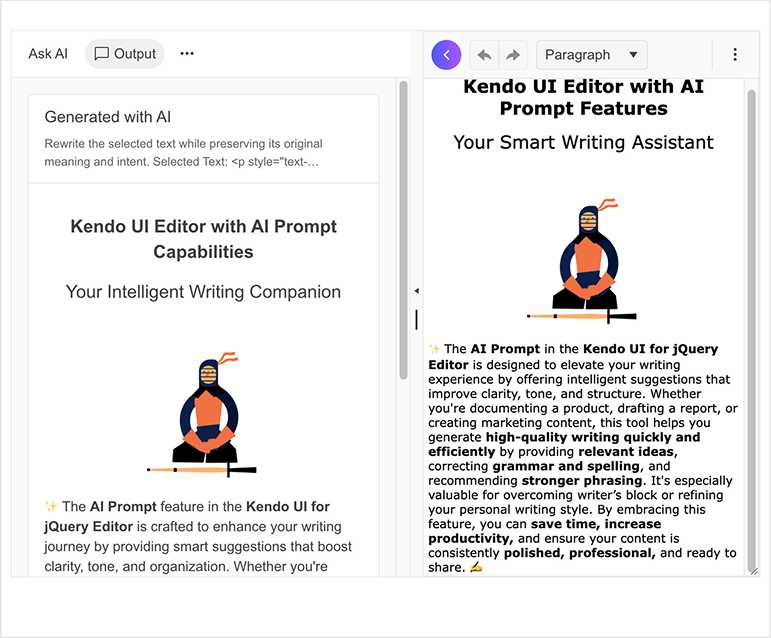
Some students attempt to bypass detection by editing AI-generated content or combining it with their own writing. While this might reduce the chance of being caught, it often requires significant effort and skill.
Paraphrasing and Editing AI Content
Students may paraphrase or restructure AI-produced texts to make them seem more personal. However, over-editing can distort the original meaning or introduce mistakes, which teachers can notice.
Adding Personal Insights and Experiences
Incorporating personal stories or reflections can make an essay more authentic and harder for AI detection tools to identify. Teachers often value this type of genuine input, which AI cannot emulate perfectly.
Implications for Students and Educators
The possibility of detection affects both students’ writing practices and teachers’ assessment strategies. It encourages students to develop better writing skills and plagiarism awareness.
Encouraging Honest Work
Students should view AI tools as a supplement rather than a substitute for their own effort. Developing critical thinking and writing skills benefits their learning much more than relying solely on AI.
Adapting Teaching and Evaluation Methods
Teachers may focus on in-class assignments, oral exams, or personalized tasks that are less prone to AI misuse. This shift helps ensure assessments accurately reflect student understanding.
Related Topics: Ethical Use of AI in Education
It’s important for students and teachers to discuss the ethical implications of AI tools. Promoting responsible use helps create a fair learning environment.
Balancing AI Assistance and Original Work
Using AI for brainstorming or editing can be beneficial if clearly acknowledged. Transparency about AI assistance fosters trust and integrity.
Educational Policies on AI Usage
Schools are beginning to develop guidelines about how AI tools should be used in assignments. Clarifying rules helps students understand acceptable practices.
While AI tools like Chat GPT pose challenges for distinguishing student work, teachers have several methods to detect AI involvement. Combining software detection, manual review, and familiarity with individual students makes it possible to identify AI-generated content with reasonable accuracy. As AI technology advances, both students and educators must adapt, emphasizing honesty and developing skills that technology cannot easily replicate. Students should view AI as a helpful aid rather than a shortcut, and schools should implement clear policies to ensure fair and meaningful assessments.
How do Teachers Detect AI? 🤖 #chatgpt #ai #school
Frequently Asked Questions
Can professors tell if I used ChatGPT to complete my assignment?
Professors may identify certain patterns or writing styles associated with AI-generated content, but they often rely on their knowledge of your writing habits and the content’s context. If your submission contains inconsistencies or lacks personal voice, an instructor might suspect AI assistance. However, without specific detection tools, it isn’t always easy to definitively determine if ChatGPT was used.
Are there any signs that indicate AI involvement in student work?
Some signs include overly generic phrasing, lack of specific personal details, or a uniform tone throughout the work. Additionally, if the writing style differs significantly from a student’s typical submissions, an instructor might consider the possibility of AI use. Teachers often look for these cues, but they are not foolproof indicators.
How can students avoid detection when using language models for assistance?
Students should use AI tools as a supplement rather than the sole source of their work. Personalizing the content, adding unique insights, and thoroughly reviewing and editing the output can help produce more authentic assignments. This approach ensures the work reflects individual understanding and reduces suspicion.
What technologies are available to detect AI-generated content in academic settings?
Educational institutions use specialized software designed to analyze writing patterns and identify characteristics typical of AI-produced text. These tools compare various linguistic features and flag potential AI involvement. However, no detection method is entirely accurate yet, and human judgment still plays a significant role.
Does submitting AI-generated work violate academic integrity policies?
Many educational institutions consider submitting AI-generated content as a form of plagiarism or academic dishonesty, especially if it violates originality or authorship guidelines. Students should consult their school’s policies to understand the rules about using AI tools and ensure they maintain academic integrity in their work.
Final Thoughts
In conclusion, can my professor detect chat gpt depends on the detection tools used and the context of the assignment. Some professors may recognize AI-generated content through style or consistency, while others may not. It’s important to understand academic honesty policies and use AI tools responsibly.
Remember, transparency is key in academic work. If unsure, ask your professor about acceptable uses of AI. Your efforts and integrity matter more than quick fixes.

Similar Posts