Can Airpods Be Used For Hearing Aids Effectively
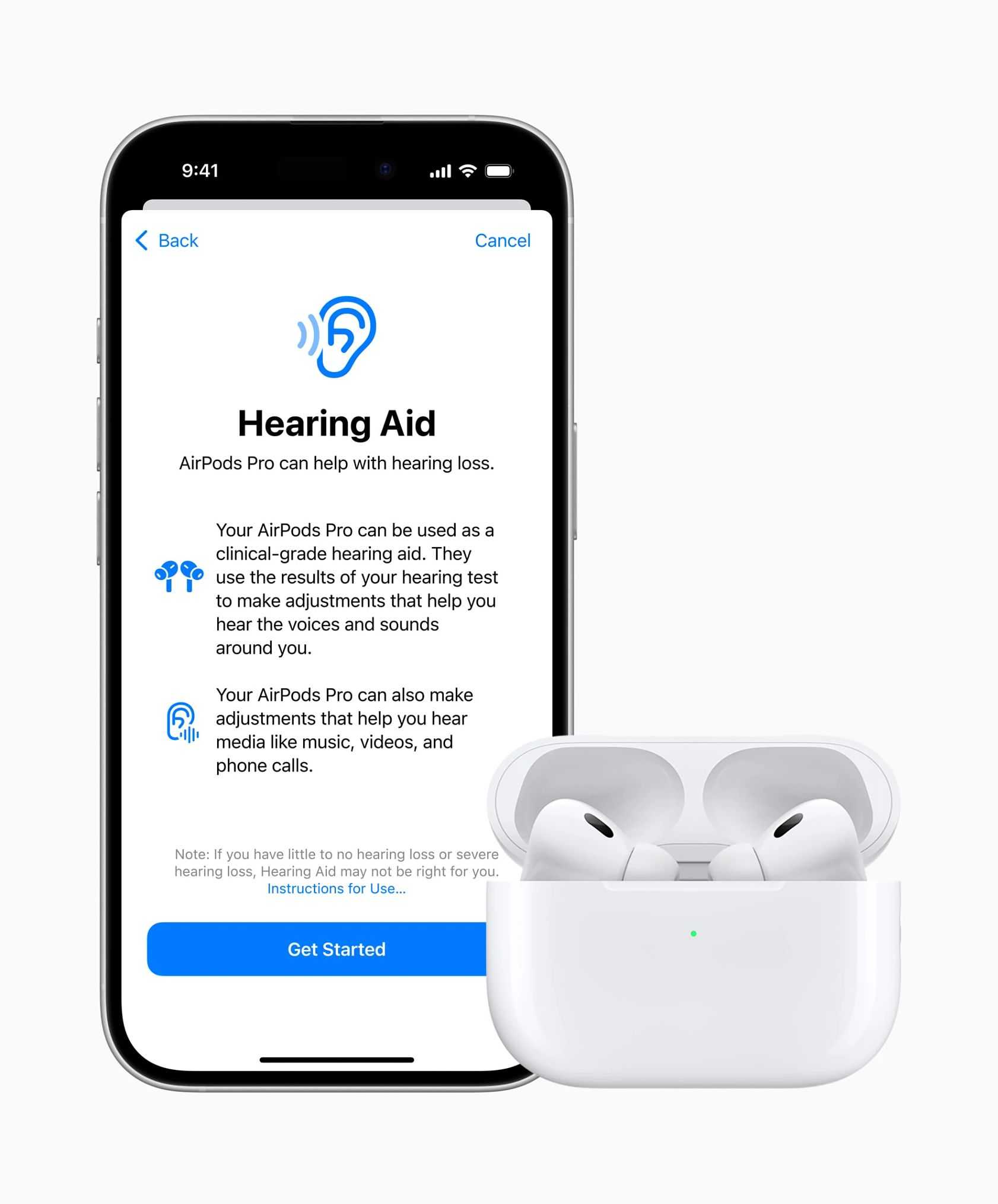

Can AirPods Be Used for Hearing Aids? Exploring the Possibilities and Limitations
Understanding How AirPods and Hearing Aids Differ
AirPods are popular wireless headphones made by Apple, designed to deliver high-quality audio for entertainment and communication. Hearing aids, however, are specialized devices created to improve hearing for individuals with hearing loss. They are built with advanced technology to amplify sounds key to understanding speech and environmental awareness.While both devices involve sound delivery, their primary functions and technologies vary significantly. AirPods do not have the same amplification features or hearing aid-specific hardware, making their suitability as hearing aids limited. It’s essential to understand these differences before considering using AirPods for hearing assistance.
Can AirPods Function as Hearing Aids? An Overview
Officially, AirPods are not designed to serve as hearing aids. They lack the necessary features such as programmable amplification, noise reduction tailored to hearing loss, and real-ear measurements. However, some people use AirPods to temporarily enhance conversations or reduce background noise in certain situations.Despite these uses, AirPods do not offer the personalized sound processing required for effective hearing assistance. They may help improve audio in a narrow scope but cannot replace conventional or digital hearing aids that are specifically calibrated for individual hearing needs.
The Technology Behind Hearing Aids vs. AirPods
Hearing aids incorporate complex digital signal processing systems that customize sound amplification based on user-specific hearing profiles. They include features like feedback suppression, directional microphones, and environmental noise management.In contrast, AirPods use basic Bluetooth technology to transmit audio signals without any customization. They lack the ability to adapt to different hearing environments or individual hearing loss patterns, which limits their effectiveness as substitutes for hearing aids.
Legal and Medical Considerations
Using AirPods as hearing aids raises concerns related to medical safety and legal regulation. Hearing aids are regulated by health authorities like the FDA in the United States, requiring proper fitting and prescription.AirPods are consumer electronics with no medical approval for hearing impairment, so they do not meet safety standards for medical devices. Relying on AirPods for hearing correction might not address specific hearing issues and could even worsen certain conditions.
Technological Developments in Hearing Aid Alternatives
Recent advancements have introduced smart hearing aids with features like direct streaming from smartphones and customizable sound profiles.Some companies have developed apps that help optimize existing devices for better hearing, creating virtual hearing aids. These innovations bridge the gap between traditional aids and consumer electronics, but AirPods themselves are still not designed with these capabilities in mind.
Potential Benefits of Using AirPods for Hearing Assistance
While AirPods are not ideal substitutes, some positives include their availability and ease of use. They are widely accessible and require minimal setup.Additionally, features like noise cancellation and transparency mode may assist in certain listening scenarios, such as during conversations in noisy environments. These features can provide some relief for mild hearing difficulties but are not substitutes for tailored hearing solutions.
Limitations and Risks of Relying on AirPods as Hearing Aids
Using AirPods to aid hearing offers several limitations. They do not provide personalized amplification, leading to ineffective or even harmful outcomes for some users.Moreover, AirPods lack the environmental awareness features of real hearing aids, such as automatic adjustments for different settings. This can lead to discomfort or overexposure to loud sounds, risking further hearing damage.
Are There Any Approved Devices That Resemble AirPods?
Some companies produce hearing aids that resemble earbuds or in-ear monitors, blending style with functionality.These devices often include Bluetooth connectivity, allowing streaming from smartphones, but they are designed and tested specifically for hearing impairment. Such options are a safer and more effective alternative than using AirPods as hearing aids.
How to Improve Hearing with Existing Technology
If you experience hearing difficulties, consulting an audiologist is the best step. They can recommend hearing aids tailored to your needs, which may include wireless, app-controlled models.For those who prefer using technology, many hearing aids now sync with smartphones, offering control over volume and sound profiles directly from an app. This integration provides a personalized hearing experience unmatched by consumer headphones.
Looking Toward Future Innovations
Researchers and tech companies continue developing wearable devices that combine the convenience of earbuds with hearing aid functionality.Future devices may offer customizable amplification, environmental noise control, and direct streaming, providing users with a comprehensive hearing solution. As these innovations arrive, reliance on standard consumer electronics like AirPods will likely decrease.
Tips for Choosing the Right Hearing Assistance Devices
When selecting hearing aids or alternatives, consider factors like sound quality, comfort, connectivity, and customization options.It is advisable to work with an audiologist to find devices suited to your hearing profile. Proper fitting and professional guidance ensure better outcomes and protect your hearing health.
Final Thoughts on Using AirPods as Hearing Aids
Although AirPods offer excellent wireless audio features, they are not suitable as hearing aids. They lack essential features and proper calibration needed for effective hearing assistance.For individuals with hearing loss, investing in medically approved hearing devices ensures safety and optimal enhancement. Relying solely on consumer electronics like AirPods may not meet the complex demands of hearing rehabilitation.
Frequently Asked Questions
Can AirPods be used to improve hearing in noisy environments?
While AirPods do not replace traditional hearing aids, some features like noise cancellation can help reduce background noise, making conversations clearer in certain situations. However, they may not offer the tailored amplification or sound customization that specialized hearing devices provide for noisy settings.
Are there any limitations when using AirPods as hearing aids?
Yes, AirPods lack the advanced processing capabilities of hearing aids, such as customizable amplification tailored to specific hearing loss profiles. They also do not provide features like tinnitus masking or remote adjustments by audiologists, which are available with dedicated hearing devices.
Can I connect AirPods to hearing impairment assistive technology?
Many assistive listening devices are compatible with Bluetooth, allowing you to connect your AirPods. However, compatibility varies depending on the device, and some specialized equipment may require specific connections or features that AirPods do not support.
Do AirPods provide a suitable alternative for individuals with hearing difficulties?
AirPods may offer limited assistance for mild hearing challenges, especially in quiet environments. For more significant hearing impairments, consulting an audiologist to explore appropriate hearing aids or assistive devices provides better support and sound clarity.
Can firmware updates improve AirPods’ functionality for listening assistance?
Firmware updates often enhance overall performance and may improve Bluetooth connectivity or noise reduction features. However, they do not add specialized hearing aid functions like sound customization or health monitoring, which require dedicated devices.
Final Thoughts
In summary, while AirPods are not designed as hearing aids, they can assist those with mild hearing difficulties through features like transparency mode. However, their effectiveness is limited and they lack the specialized technology of hearing aids. Can Airpods be used for hearing aids? They are not a substitute but can offer some auditory assistance in specific situations. For serious hearing loss, consulting a professional remains essential.
Similar Posts