Building Fictional Worlds For Stories Or Games
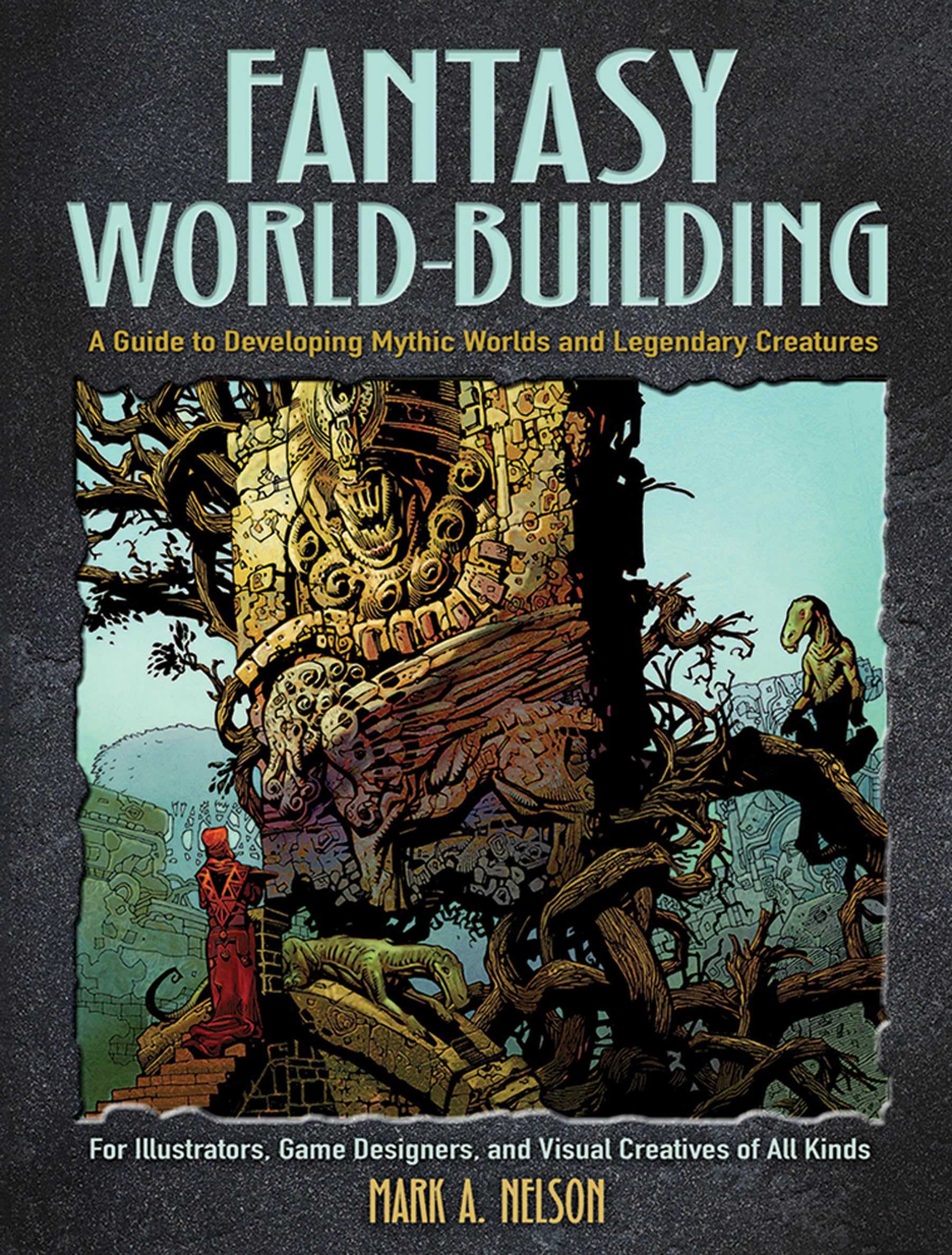

Building fictional worlds for stories or games
Creating a compelling fictional world is one of the most exciting parts of story and game development. It involves designing a setting that captures the imagination and supports the narrative. A well-constructed world makes your story feel real and engaging for your audience.The importance of world-building in storytelling and gaming
World-building adds depth and richness to your story or game. It helps you establish the tone, mood, and atmosphere that match your narrative goals. A vivid world attracts players and readers, making them want to explore every corner.Elements of a well-designed fictional world
A strong fictional world includes several key components:- Geography: The physical layout, landscapes, and environment
- Culture: The customs, traditions, and social norms of its inhabitants
- History: Past events that shape current circumstances
- Economy and Politics: How people trade and govern themselves
- Creatures and Races: Unique species or beings inhabiting the world
Steps to start building your fictional world
Begin with broad ideas, then narrow down into details. Here’s a step-by-step guide:- Outline the basic concept: Decide on the genre, tone, and main themes
- Map out the geography: Create a rough map of lands, cities, and landmarks
- Develop cultures and societies: Flesh out different civilizations, their beliefs, and lifestyles
- Design history and lore: Write backstories, myths, and significant events
- Define technology and magic systems: Determine what kinds of advancements or supernatural elements exist
Designing the geography for immersion
The geography shapes everything else about your world. Use detailed maps to visualize regions, including mountains, rivers, forests, and deserts. Think about how the terrain influences the culture, economy, and conflicts.Creating believable landscapes
Include diverse environments to keep your world interesting. Consider how each terrain affects travel, resources, and settlement patterns. For example, mountain ranges can serve as natural borders or hideouts.Adding landmarks and points of interest
Landmarks guide your story and give players or readers locations to remember. Add unique features like ancient ruins, mysterious islands, or bustling markets to enrich the environment.Building cultures and societies
Worlds feel alive through the beliefs, customs, and interactions of their inhabitants. Develop multiple cultures to add variety and depth.Understanding social norms and traditions
Decide what values are important to each culture. Think about rituals, festivals, and daily routines that reflect their worldview.Creating languages and dialects
Language adds authenticity. You can invent words or entire languages, or mix real languages for flavor. For example, give a unique greeting or naming system for each society.History and lore that shape your world
History provides context and motivation for characters and events. Write key historical moments and legends that influence present-day conflicts and alliances.Significant events and conflicts
Identify wars, treaties, or disasters that altered your world. These events can create ongoing tensions or alliances.Mythology and folklore
Incorporate myths that explain natural phenomena or moral lessons. Folklore can influence characters’ beliefs and behaviors.Magic and technology systems
Decide on the rules governing supernatural or technological elements. Consistency is key to making these features believable.Developing magic systems
Define how magic works, its limitations, costs, and sources. Consider whether magic is common or rare and how it impacts society.Inventing technology levels
Choose the era and technological advancement. For instance, medieval, steampunk, or futuristic settings each require different infrastructure, tools, and societal effects.Creating characters that fit your world
Characters should reflect the environment and culture you develop. Their backgrounds, beliefs, and goals should tie into the world’s history and systems.Designing diverse personalities and backgrounds
Include different races, classes, and beliefs to add richness. Think about how the environment influences their worldview.Character motivations and conflicts
Ensure characters’ goals align with or challenge the world’s norms and history. Conflicts can be internal or external, based on their connection to the setting.Storytelling tips for thriving worlds
Use your world to enhance your narrative. Show, don’t tell, by including details through character interactions and plot points.Leveraging world details to advance plot
Use locations, cultures, and history as obstacles or resources for characters. These elements create natural story hooks and enrich the plot.Involving your audience through world exploration
Encourage curiosity by revealing world details gradually. Use visual descriptions, dialogue, and side quests to immerse your audience.Tools and resources for effective world-building
Various tools can help organize and visualize your world. Use world-building charts, maps, and writing software to keep track of details.World-building templates and checklists
Templates help ensure you cover every aspect, from geography to politics. Checklists keep your development consistent.Mapping software and visual aids
Use software like Inkarnate or Wonderdraft to create detailed maps. Visuals make it easier to plan and communicate your world.Common mistakes to avoid in building fictional worlds
Beware of creating overly complex or inconsistent settings. Keep your world logical and aligned with your story’s tone.Overloading your world with details
Avoid making your universe feel cluttered. Focus on key elements that serve your story and reveal details gradually.Neglecting character integration
Ensure your characters’ backgrounds and goals connect to the world. Otherwise, the setting may feel disconnected from the story. Building a fictional world takes imagination and careful planning. By combining geography, culture, history, and systems, you can craft a setting that feels alive and believable. Keep your details consistent and your characters connected to the environment. With these steps, your stories and games will draw audiences into immersive, unforgettable worlds.How to build a fictional world – Kate Messner
Frequently Asked Questions
How can I develop consistent rules and logic within my fictional universe?
Establish clear rules that govern the core aspects of your world, such as physics, magic systems, and societal norms. Consistency is key, so always refer back to these rules when developing new elements or plot points. Keeping detailed notes or a world bible helps ensure your universe remains logical and coherent throughout your storytelling or game design process.
What techniques can help make my fictional setting feel more immersive?
Use sensory details and vivid descriptions to paint a complete picture of your environment. Incorporate cultural elements, history, and unique dialects to add depth. Showing how characters interact with their surroundings and how the environment influences their behavior also draws players or readers deeper into the world you create.
How do I balance familiarity and novelty in my fictional world?
Create familiar elements that resonate with your audience, such as recognizable social structures or natural landscapes, and then introduce novel aspects to spark curiosity. This mix helps the audience feel comfortable while still engaging with fresh ideas that make your universe stand out. Carefully integrating these elements ensures a seamless and captivating experience.
What role does history and backstory play in designing a believable setting?
History and backstory provide context that explains the current state of your world. They influence cultural practices, political systems, and conflicts, adding layers of authenticity. Developing a rich history enables you to craft interconnected stories and characters that feel rooted in a realistic past, making your world more compelling.
How can I effectively incorporate different cultures and societies into my universe?
Research real-world cultures to inspire diverse societal structures, traditions, and belief systems. Adapt these influences thoughtfully to create distinct groups within your universe, each with its own customs and worldview. Ensure that these cultures interact realistically, considering potential conflicts or alliances, to add complexity and richness to your setting.
Final Thoughts
Building fictional worlds for stories or games requires imagination and detailed planning. Creators develop unique environments, cultures, and histories that draw audiences in. Attention to detail makes these worlds feel authentic and immersive. Ultimately, a well-crafted fictional world enhances storytelling and player engagement.
Similar Posts